

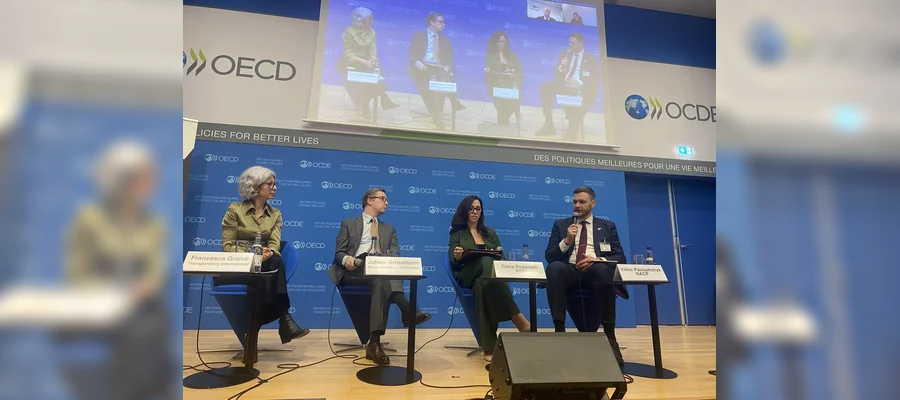
Systemic safeguards and mechanisms for countering corruption have become significant factors influencing the architecture of European security. The connection between anti-corruption policy and the state's security situation and defence capability under the pressure of military and hybrid attacks became the keynote of several international events held this week in Paris, with the participation of Viktor Pavlushchyk, Head of the National Agency on Corruption Prevention (NACP).
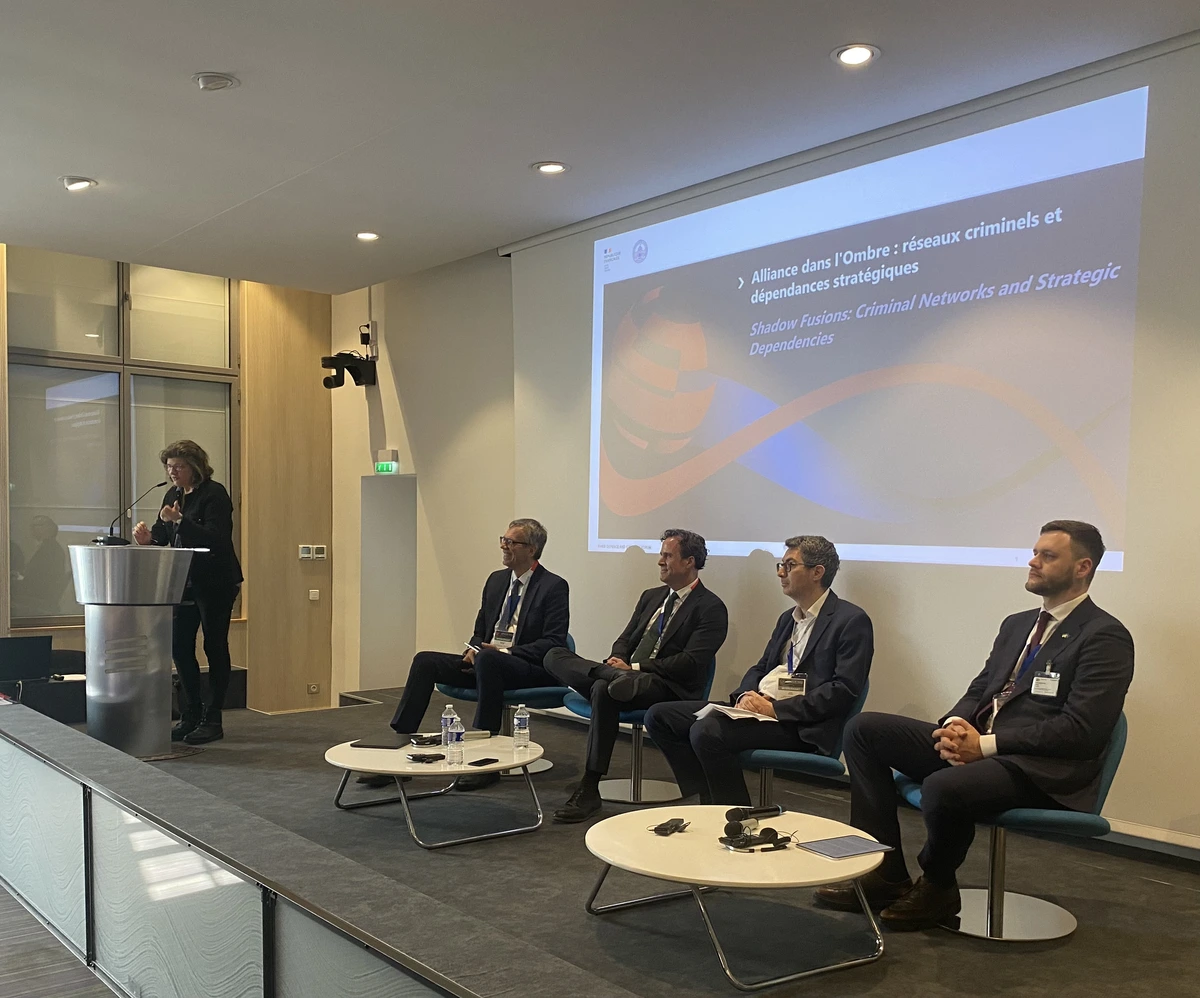
Ukraine's experience in ensuring the resilience of the public administration system under conditions of corruption pressure and martial law was discussed on the sidelines of the 2026 Paris Defence and Strategy Forum. According to the Head of the NACP, war naturally increases corruption risks in the defence, reconstruction, and energy sectors, where the largest resources are concentrated. To minimise corruption, Ukraine resorts to the digitalisation of procedures, strengthening the capacity and independence of anti-corruption institutions, and supporting an infrastructure of openness for democratic control by civil society. Threats from russia, which increasingly rely on a combination of the shadow influence of intelligence services, organised crime, and oligarchic groups, should be assessed comprehensively as part of a unified state strategy to destabilise democratic regimes.
“Ukraine, together with its partners, pays attention primarily to improving policies and institutions; however, the information-cognitive sphere is also a field of confrontation. More than 70% of Ukrainians receive information about corruption from social networks, about half of which bears signs of disinformation. It is this discourse that shapes citizens' sentiments and, consequently, the national policy agenda. Narrative warfare destroys social cohesion just as missiles destroy infrastructure. Here, russia has significant achievements both in Ukraine and in the West, although NATO's military potential and Europe's economic capabilities outweigh russia's capabilities,” noted Viktor Pavlushchyk.
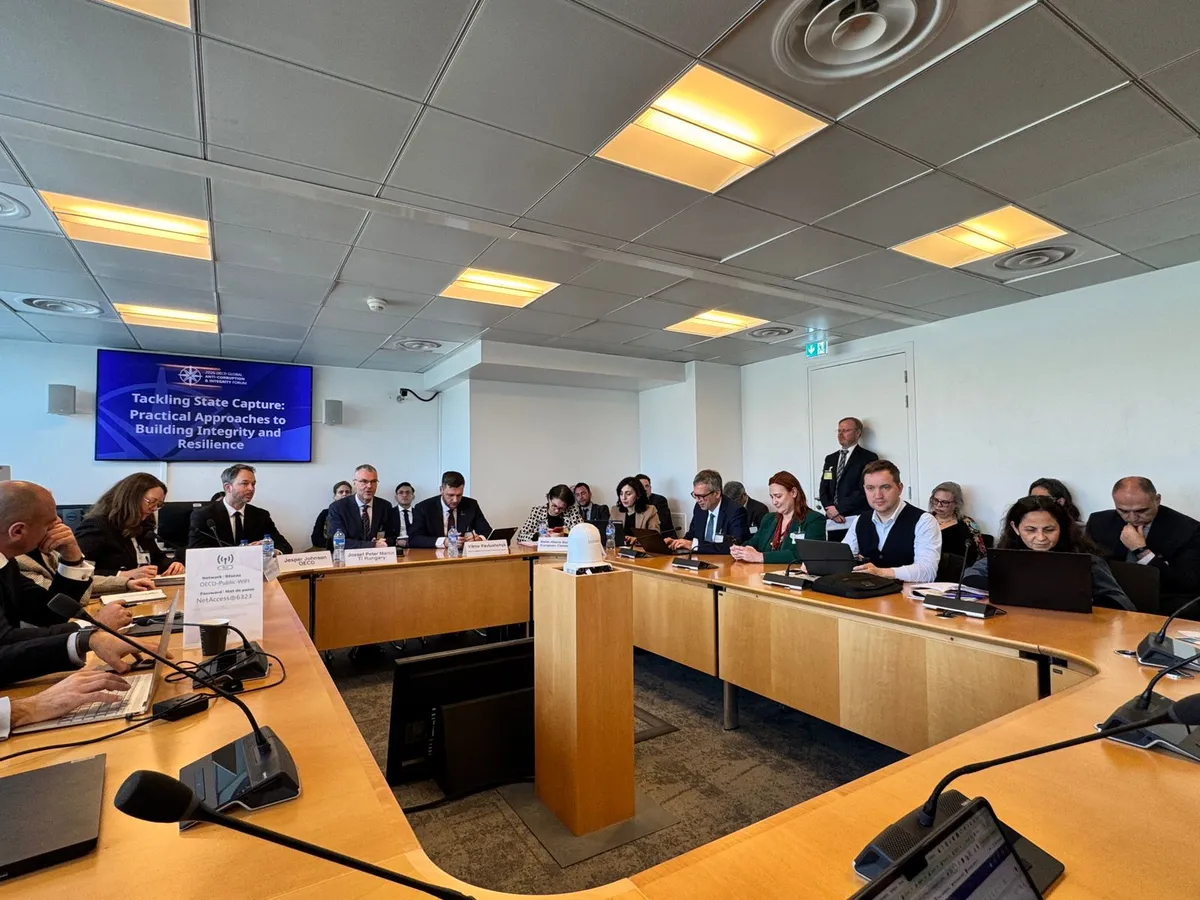
During a side event within the 2026 OECD Global Anti-Corruption & Integrity Forum (GACIF) dedicated to countering state capture, the Head of the National Agency presented institutional mechanisms that curb arbitrary rule changes, the appropriation of state resources, and the destruction of accountability tools in the public sector. Key safeguards include an advanced system for monitoring the assets and lifestyles of officials, the financing of political parties and election campaigns, the identification of corruption risks in the most sensitive areas, as well as the prevention of illicit influence on the legislative process through the implementation of the lobbying institute in Ukraine.
According to the monitoring results of the implementation of the OECD Public Integrity Indicators, Ukraine is among the leaders among the organisation's partner countries in the context of lobbying activities regulation. Furthermore, Ukraine ranks first in the global ranking of the E-Participation Index and is one of the European leaders in the level of open data maturity, which allows the public to monitor and directly influence state decision-making processes. The combination of preventive institutional mechanisms and an ecosystem of public control makes it possible to restrain excessive concentration and abuse of power even during a full-scale war.
The role of effective anti-corruption policy in strengthening trust and competition in the European defence sector was the subject of an expert discussion during a dedicated session at GACIF. One of the key challenges in this area is maintaining a balance between transparency and accountability of processes — primarily in arms procurement — and preserving the necessary level of confidentiality regarding procurement procedures, as well as the speed of decision-making under conditions of intensive military operations.
The Head of the NACP presented the experience of identifying and preventing corruption in the defence sector, highlighting two tools: strategic analysis of corruption risks and anti-corruption expertise of regulatory acts. He reported on the risk analysis conducted by the National Agency in rear procurement and drone procurement for the military. The recommendations provided based on the results of the analysis are currently being implemented by defence agencies.
“When identifying corruption risks in the security and defence sector, the NACP receives the necessary information from the Ministry of Defence and other authorised structures, including restricted information. Openness and transparency of procedures in this area cannot be absolute; however, this is compensated for by the effective application of anti-corruption tools within the organisation. After all, what matters to investors and other industry stakeholders is not total transparency, but trust in the rules by which the system operates, and in the control and monitoring mechanisms that minimise corruption risks,” concluded Viktor Pavlushchyk. According to him, the speed of decision-making in war conditions is a significant factor for success, while it is equally important that decisions are made based on relevant data.
Reference. The Paris Defence and Strategy Forum, organised by the Academy of Defence of the Military School under the patronage of French President Emmanuel Macron, is a high-level international event aimed at forming a strategic framework on key security and defence issues in Europe.
The Global Anti-Corruption & Integrity Forum (GACIF) is held annually by the OECD and brings together representatives of member and partner countries of the organisation. GACIF 2026 is dedicated to the role of anti-corruption and integrity in stimulating the competitiveness, innovation, and prosperity of countries.

