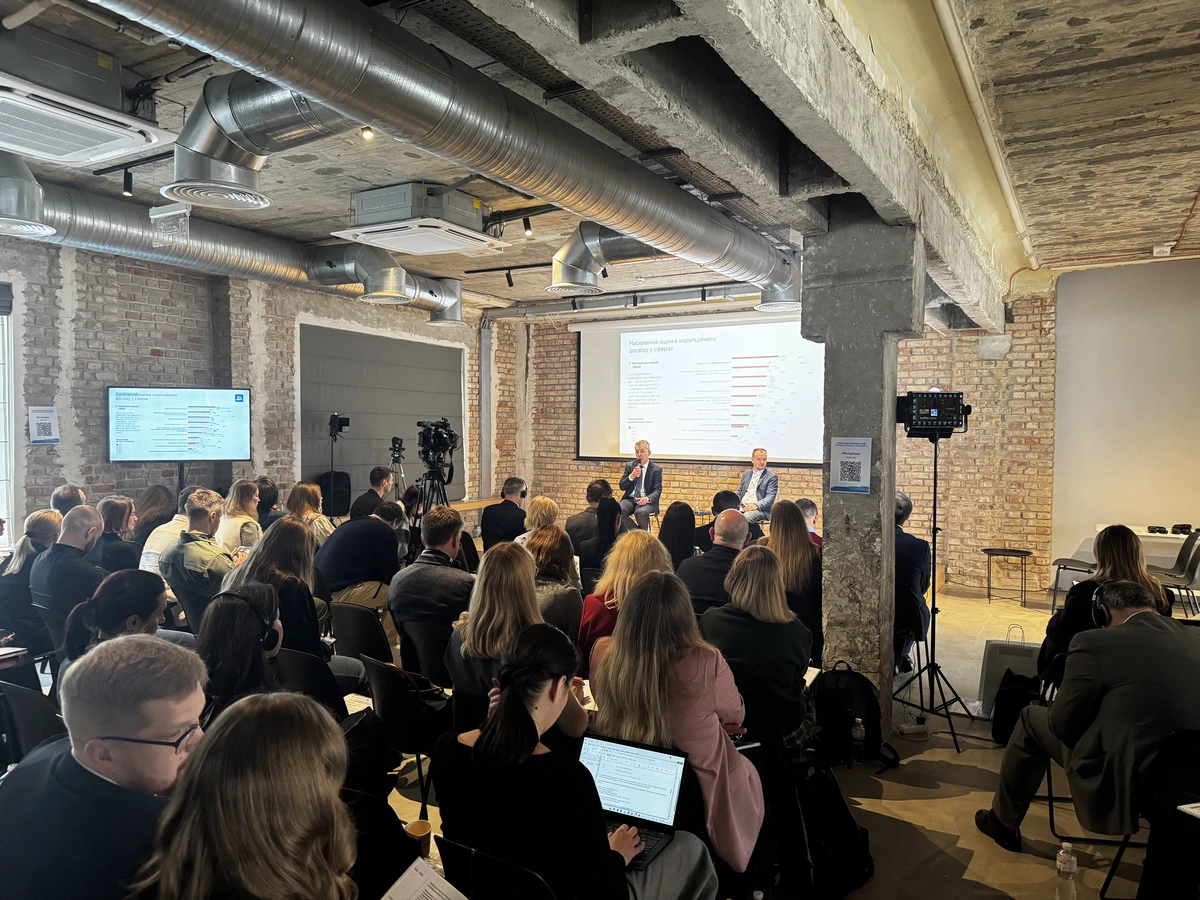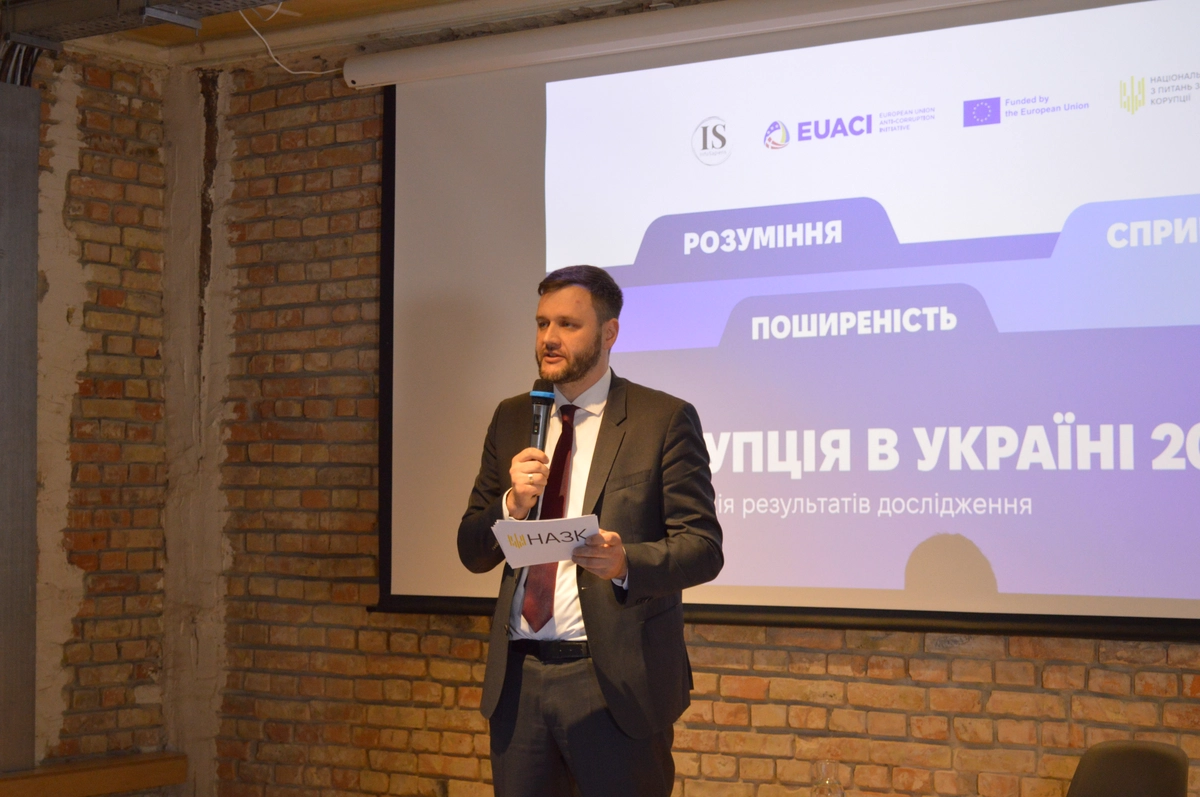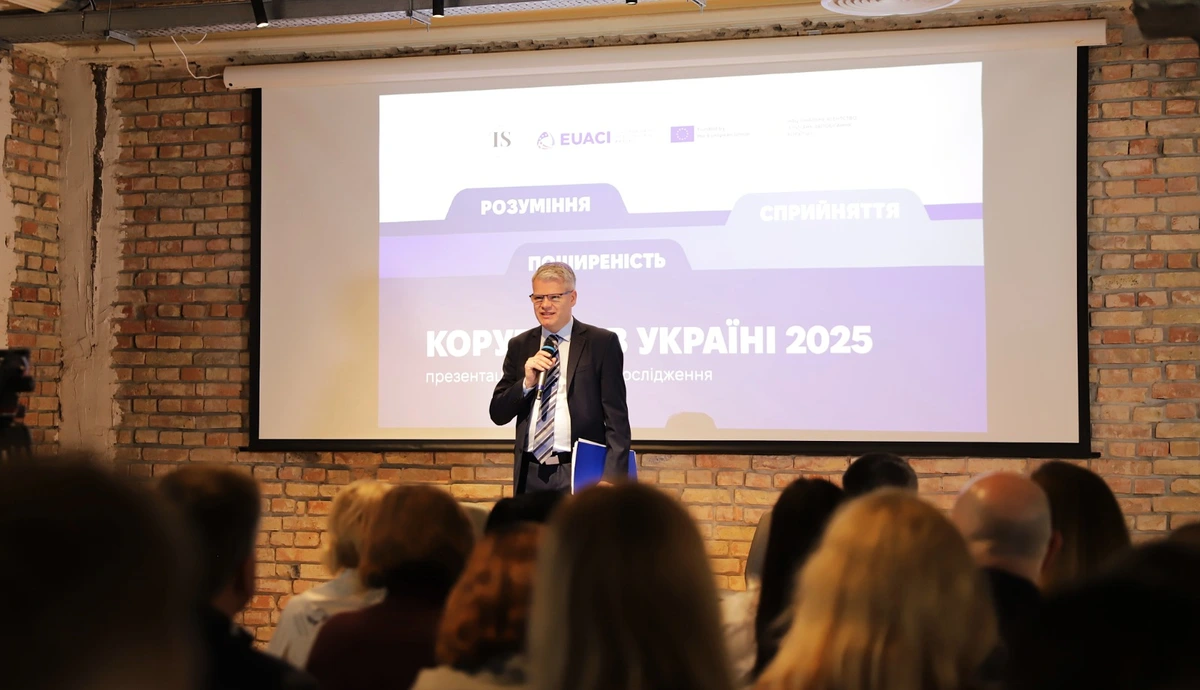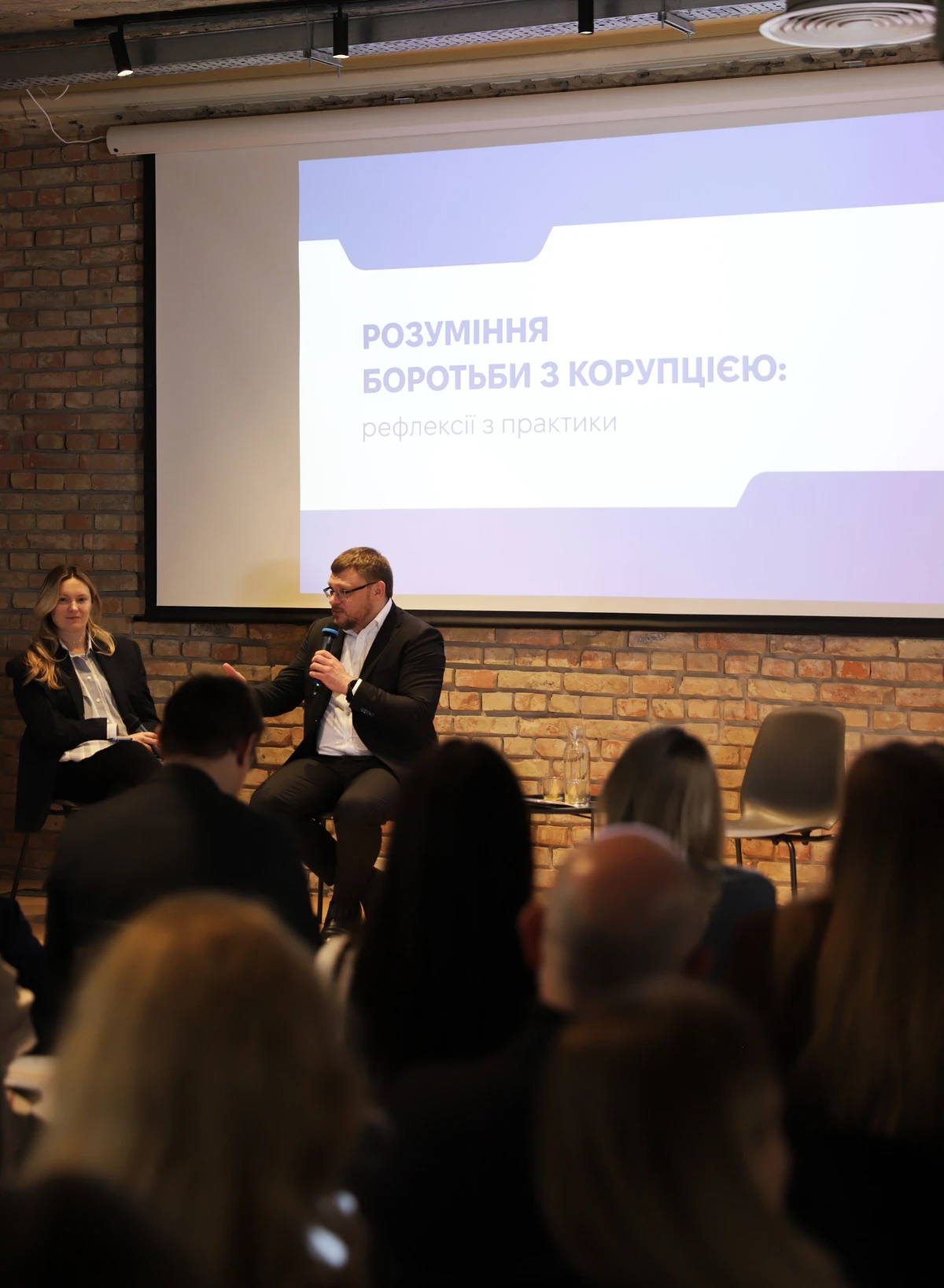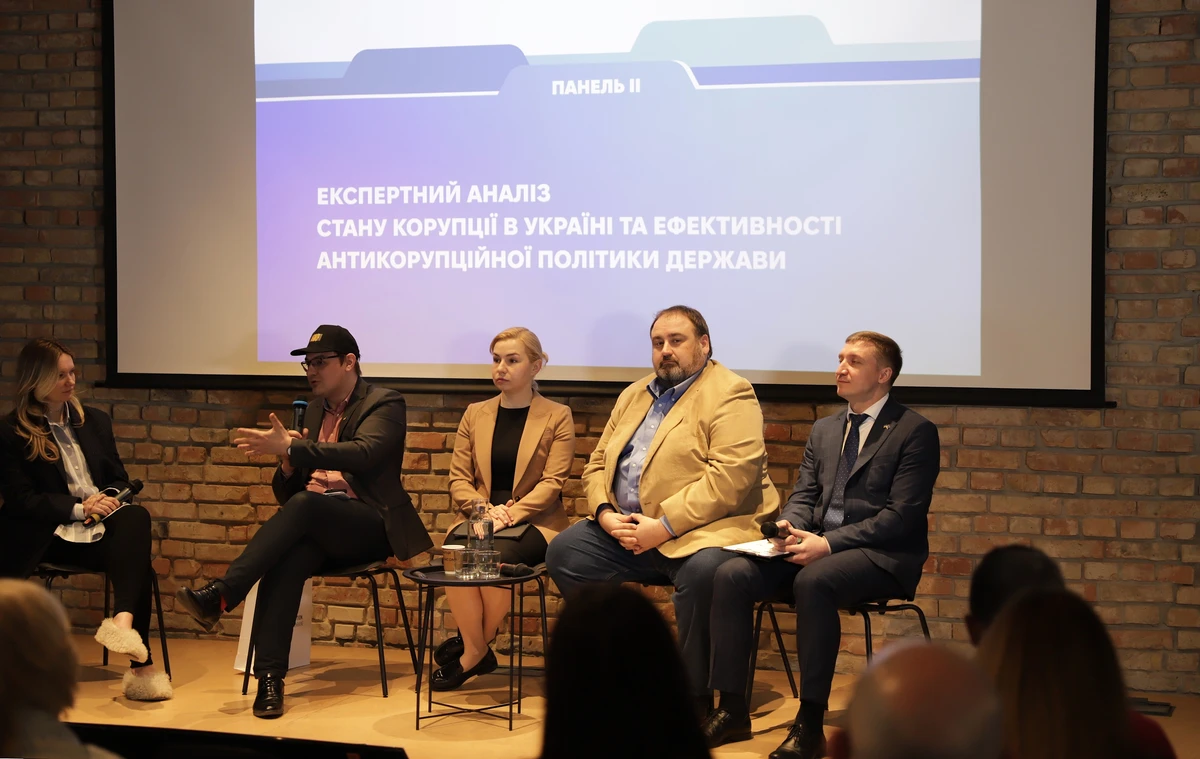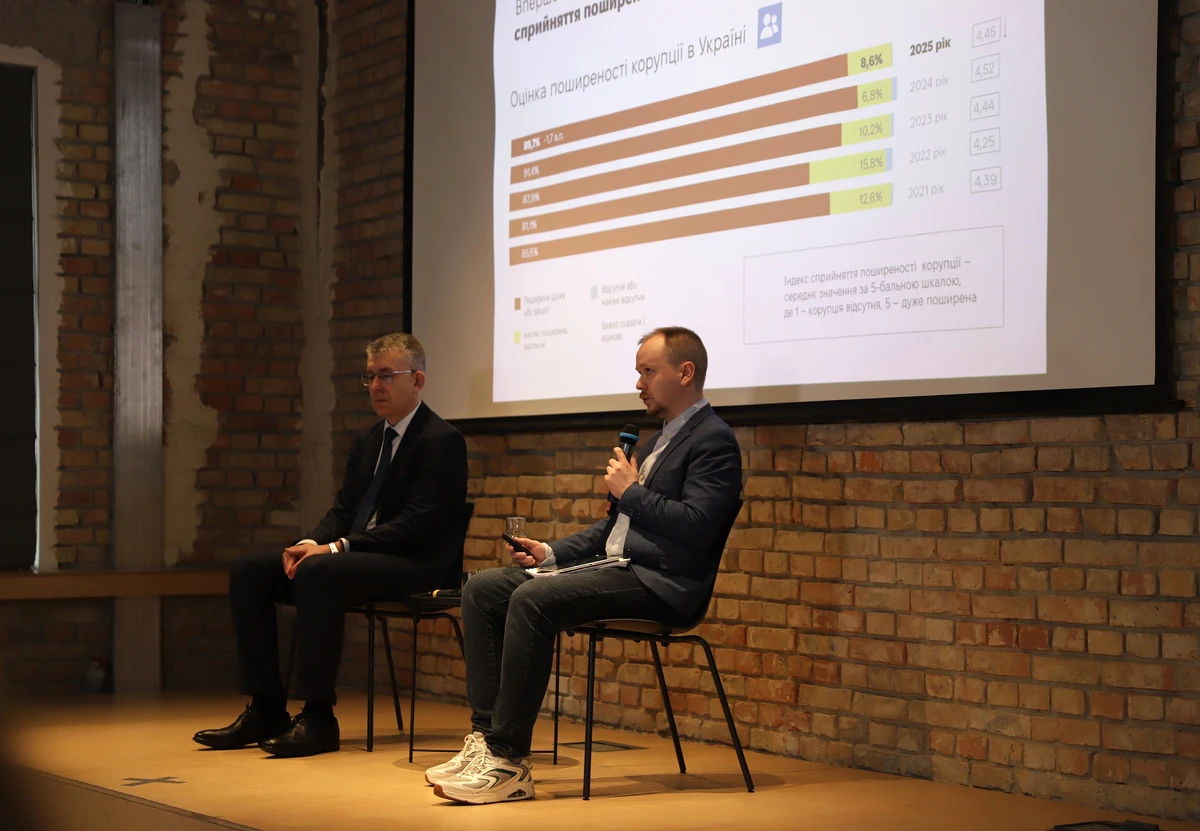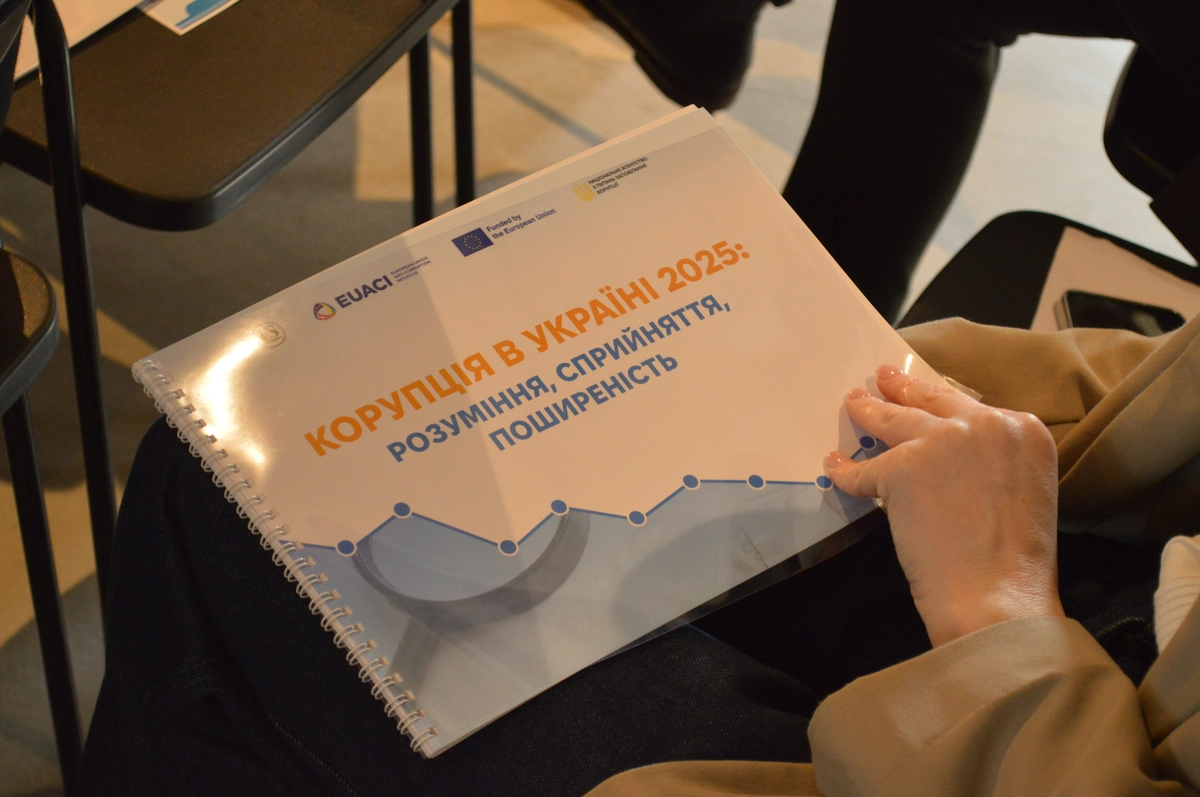
The perception of corruption prevalence in Ukraine, which rose in 2023–2024, decreased in 2025, paralleling a decline in the perceived corruption growth rate. Despite this improvement, corruption remains the second most significant concern for Ukrainians, following russian military aggression; 72.2% of citizens identify it as a “very serious” problem. These findings are detailed in the nationwide sociological study “Corruption in Ukraine 2025: Understanding, Perception, Prevalence,” conducted by Info Sapiens on behalf of the National Agency on Corruption Prevention (NACP), with support from the EU Anti-Corruption Initiative (EUACI).
Among the business community, 65% of respondents consider corruption a “very serious” issue, ranking it almost as great a concern as the country's population migration.
Notably, the actual experience of corruption for both citizens and businesses remains significantly lower than its perceived prevalence. Only 18.2% of citizens and 20.6% of business representatives reported encountering corruption in practice.
“The personal experience of corruption among Ukrainians is decreasing annually, yet perception remains high. The greatest risks are concentrated in construction, land relations, and law enforcement. Citizens do not initiate a significant portion of corrupt instances; rather, they are situations where the system itself induces 'problem-solving' manoeuvres. We also face a serious challenge regarding whistleblowers. While society supports those who report corruption, the level of actual reporting remains low,” stated Viktor Pavlushchyk, Head of the NACP.
Over the past 18 years, the personal experience of corruption among Ukrainians has decreased by a factor of 3.7. In 2007, 67% of surveyed citizens reported personally encountering corruption.
According to Dmytro Kalmykov, Deputy Head of the NACP, the long-term reduction in real-world corruption experiences is primarily driven by systemic sectoral reforms, deregulation, the development of public governance, the digitalisation of services, and the reduction of the “human factor” in government interactions.
“There is almost no correlation between the perception of corruption prevalence and experience with corruption. This is confirmed by research in other countries, where even with low levels of corruption, a large portion of citizens perceive it as widespread. The perception of prevalence is traditionally shaped by the broader social and informational context. For the general public, public discourse, high-profile media coverage, and discussions of sensational corruption exposures—primarily among high-ranking officials—play a significant role. Furthermore, corruption perception is often an element of trust in government: in countries where trust in authorities is high, the perception of corruption prevalence tends to be lower,” commented Dmytro Kalmykov, Deputy Head of the NACP.
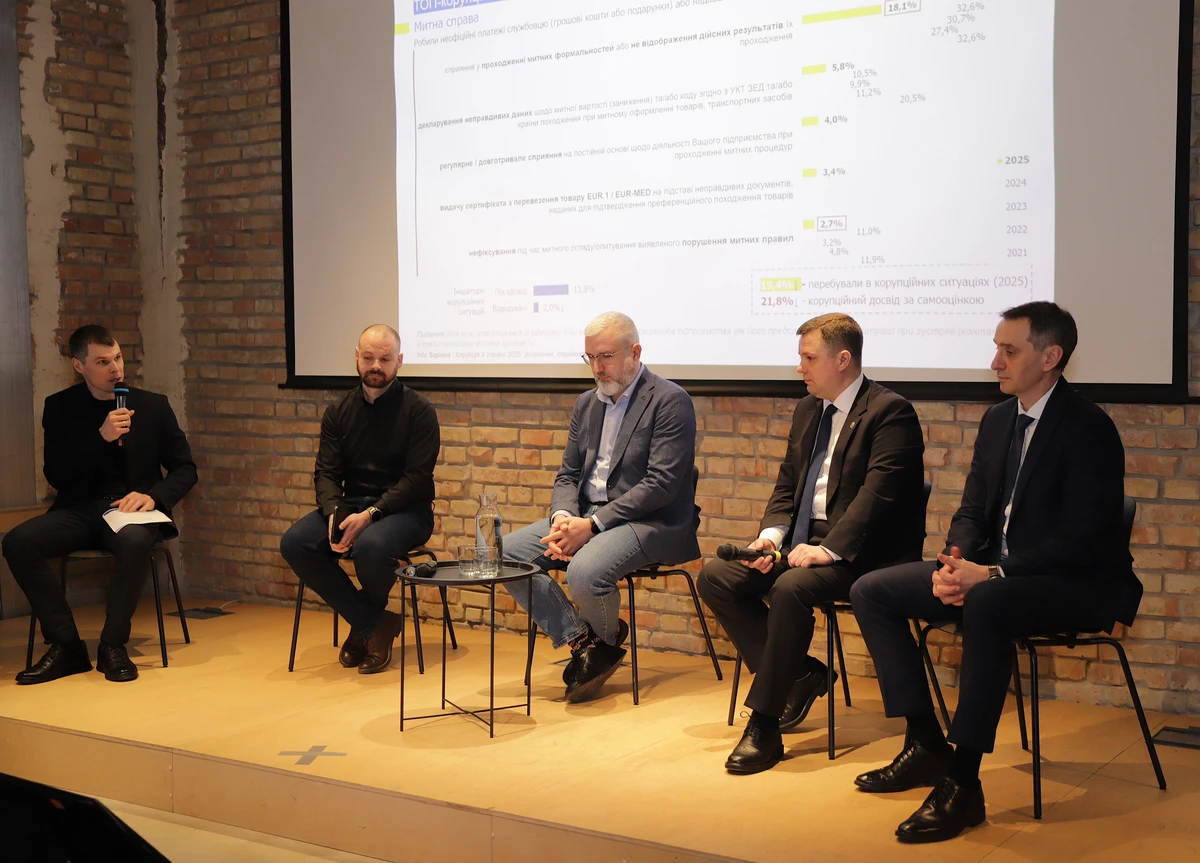
According to the experience of both citizens and businesses, the most corrupt sector in Ukraine is construction and land relations: over 30% of respondents who had contact with this field reported experiencing corruption. For the second most prevalent area of corrupt practices, citizens identified law enforcement and crime prevention, while business owners pointed to the services of energy companies (connection to and maintenance of electricity, gas, and water systems). The lowest incidence of corruption was recorded in Administrative Service Centers (ASCs) for citizens and in public procurement for businesses.
Traditionally, both the public and the business community place the primary responsibility for overcoming corruption on the President of Ukraine and his Office, the National Anti-Corruption Bureau of Ukraine (NABU), and the Verkhovna Rada (Parliament). The percentage of respondents ready to report corruption remained steady compared to last year: 21.1% of entrepreneurs and 12.4% of the general public stated they would file a formal report or contact the media. However, the actual percentage of those who reported corruption to competent authorities in the past year is lower: 9.5% among businesses and 7.3% among the population.
“Going forward, the priority must be to continue and deepen anti-corruption efforts in sectors with the highest risks. State anti-corruption policy should not be generalised but must focus on areas where corruption is most tangible. Another priority is strengthening the institution of whistleblowers, which includes their protection, convenient reporting tools, and clear legislative definitions. Ultimately, people should not only hear about the fight against corruption but actually feel changes in their daily lives,” added Viktor Pavlushchyk, Head of the NACP.
The research can be found via the link. The presentation in English is available here.
The seventh national survey of the population and business representatives, providing a comprehensive assessment of the corruption situation in Ukraine, was conducted in late 2025 and January 2026 by the sociological company Info Sapiens. The study was commissioned by the National Agency on Corruption Prevention with the support of the EU Anti-Corruption Initiative (EUACI), which is funded by the EU and co-funded and implemented by the Ministry of Foreign Affairs of Denmark.