

The National Agency on Corruption Prevention (NACP), as the National Coordinator for Ukraine's cooperation with NATO in the field of building integrity, directs its efforts towards developing an effective and comprehensive approach to implementing international standards in the security and defence sector. This was emphasized by the Deputy Head of the NACP, Serhii Hupiak, during a meeting with representatives of NATO Headquarters, the NATO Representation to Ukraine, the Centre for Integrity in the Defence Sector (CIDS) at the Norwegian Ministry of Defence, the Geneva Centre for Security Sector Governance (DCAF), the UK Special Defence Advisor’s team, the Basel Institute on Governance, and the EU Anti-Corruption Initiative in Ukraine (EUACI), as well as security and defence sector bodies, dedicated to improving mechanisms aimed at building integrity in the security and defence sector.
“Together with representatives of the security and defence sector bodies and the NATO Representation to Ukraine, we have already developed a unified action plan for the implementation of tasks defined by NATO Initial Interoperability Requirement 0204 ‘Building Integrity’ of the NATO Initial Interoperability Requirements for Ukraine to ensure sustainable coordination of the bodies involved in the implementation of tasks within the framework of the specified requirement. However, to unify approaches, there is a need for a joint discussion on ways to improve anti-corruption mechanisms at the national level and to ensure the proper fulfilment of NATO tasks aimed at building integrity in the security and defence sector. It is the strengthening of interaction between the security and defence sector bodies and further cooperation with international partners that will ensure the achievement of the set goals and the practical reflection of our efforts in building integrity,” noted Serhii Hupiak.
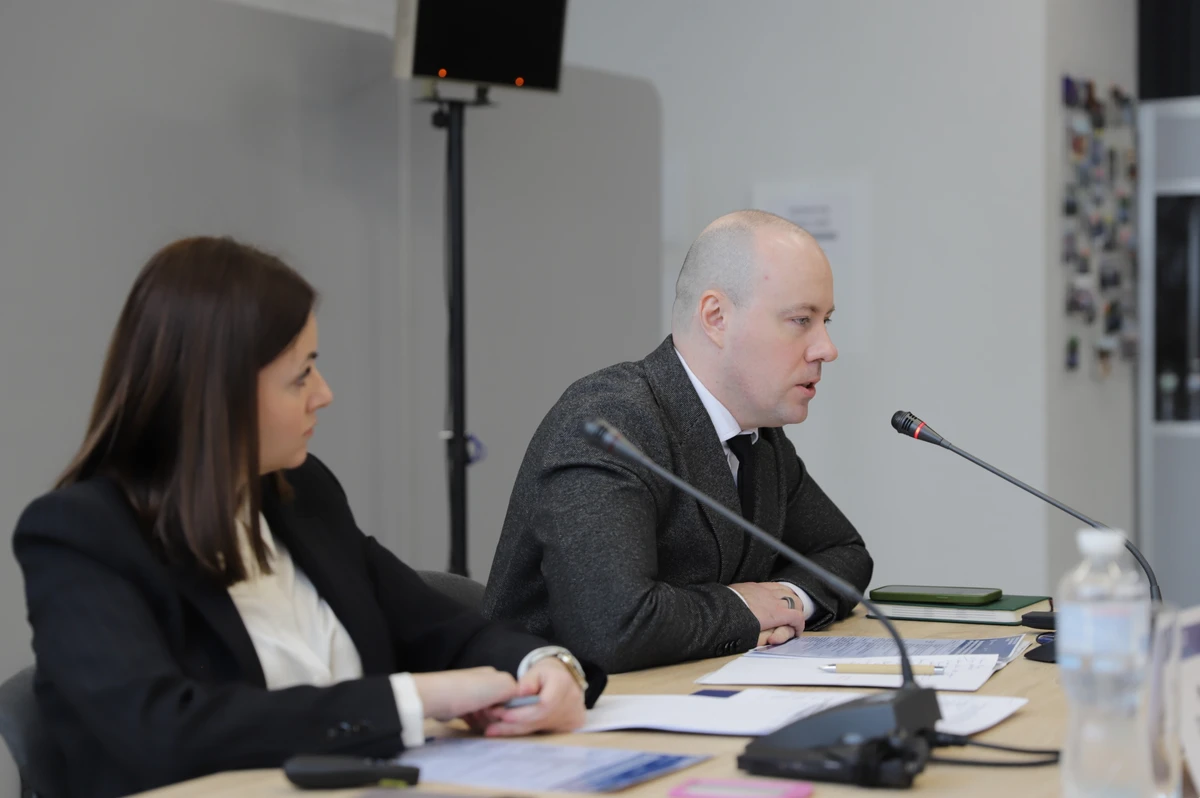
The meeting participants discussed the concept and expressed their visions regarding the creation of an information and communication platform for building integrity in the security and defence sector, current challenges in managing corruption risks, and ways to overcome them, as well as methods of proper interaction to ensure a unified approach to building integrity in the security and defence sphere.
Marta Ivashkiv, Head of the Directorate of Integrity Policy Making in the Security and Defence Sector of the NACP, outlined the challenges during the implementation of NATO recommendations in the field of building integrity, in particular:
- the application of different approaches by security and defence sector bodies, both during the fulfilment of NATO tasks and during the implementation of anti-corruption legislation at the national level;
- the lack of a digital tool for the practical exchange of experience;
- the need to exchange best practices for their scaling and to discuss the application of special approaches that correspond to the specifics of the activities of security and defence sector bodies;
- the absence of a platform for making joint and coordinated decisions.
“Effective integrity building requires coordination and interaction. Therefore, the NACP proposes the creation of a working group to unify approaches to the implementation of integrity standards in the security and defence sphere,” noted Marta Ivashkiv.

This approach was supported by international partners and discussion participants. During the discussion on ways to improve the approach to assessing corruption risks in security and defence sector bodies, Daryna Polous, Head of the Division for Implementation of International Security and Defence Standards Department of the NACP, noted that corruption risk assessment is the foundation for the preparation and further improvement of each body's anti-corruption program.
“At the same time, considering international practice, the vector of anti-corruption policy, and the results of the analysis of anti-corruption programs of security and defence sector bodies, the identification of typical corruption risks in the security and defence sphere requires the development of a unified algorithm to harmonize approaches. The NACP is directing its efforts toward joint work with security and defence sector bodies in this direction to improve further the corruption risk management process for the entire sector,” emphasized Daryna Polous.
The representative of NATO Headquarters, Joakim Frendin, Building Integrity Team Leader, reaffirmed that the Alliance is ready for further cooperation with Ukraine and for mobilizing the necessary resources to ensure the proper implementation of NATO recommendations.
“One of the greatest challenges for all NATO countries, as well as for Ukraine, is the digitalization of procedures. This is a complex task that requires a comprehensive approach and consideration of the scale of the Ukrainian security and defence sector; however, Ukraine once again demonstrates its ability to embrace innovative approaches and serves as a good example for the Alliance member states,” noted Joakim Frendin.
Terje Haaverstad, Programme Director for Ukraine at the Centre for Integrity in the Defence Sector (CIDS) at the Norwegian Ministry of Defence, noted that CIDS will continue to provide comprehensive support to Ukrainian partners on the path to implementing international standards in building integrity within the security and defence sector, which will facilitate a consistent and comprehensive process of Ukraine's Euro-Atlantic integration.
“Effective anti-corruption mechanisms are the foundation of trust for citizens and the international community; therefore, CIDS is ready to continue providing all necessary advisory and methodological support for their implementation,” noted Terje Haaverstad.