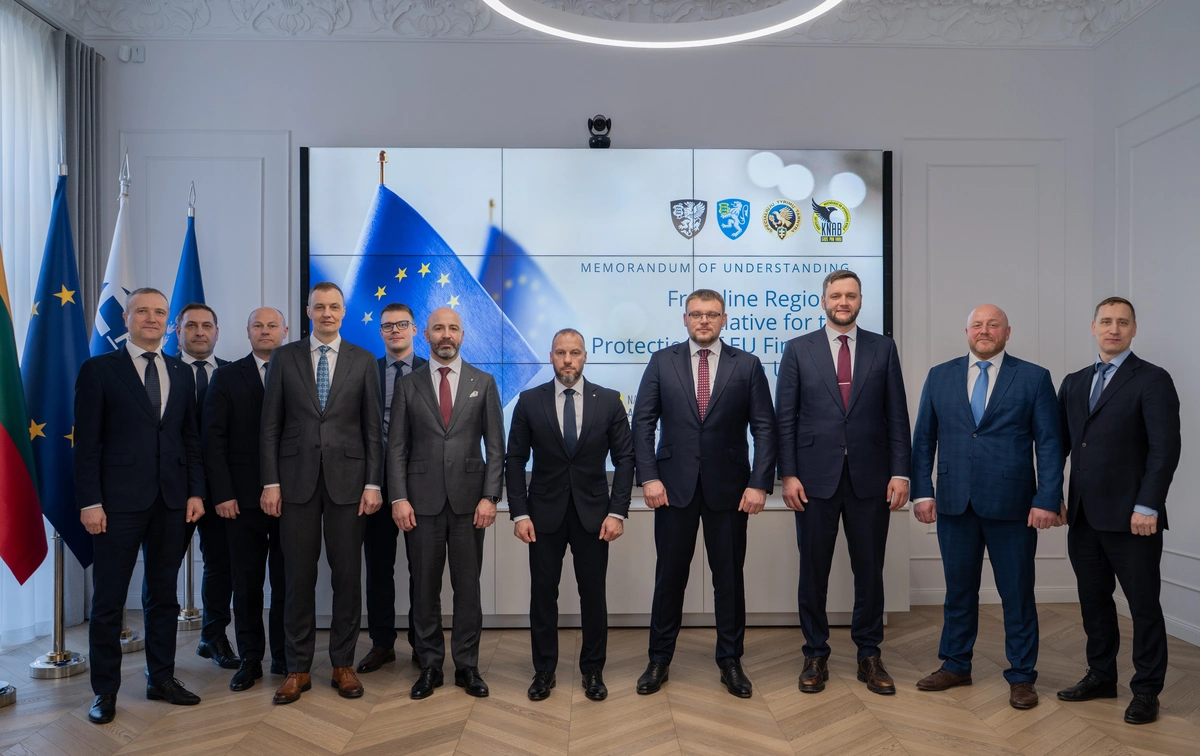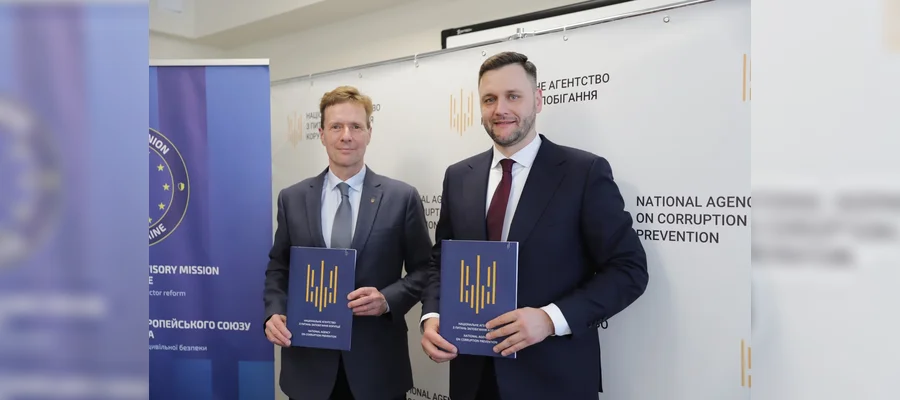

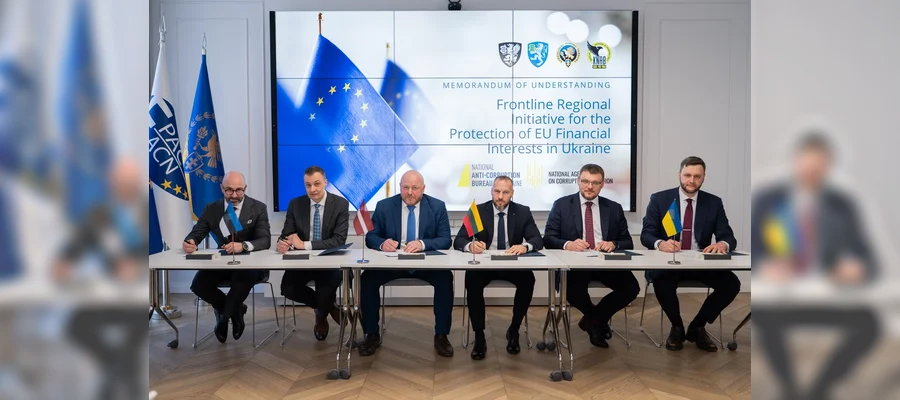
The National Agency on Corruption Prevention (NACP), in cooperation with the National Anti-Corruption Bureau of Ukraine (NABU), the Special Investigation Service of the Republic of Lithuania (STT), the Estonian Internal Security Service (KAPO), the Estonian Police and Border Guard Board (PBGB), and the Corruption Prevention and Combating Bureau of Latvia (KNAB), have established a permanent regional practical and operational platform (the Platform) aimed at protecting EU and national funds allocated for the reconstruction of Ukraine.
The relevant agreements are outlined in a Memorandum of Understanding (MoU) signed by the heads of the agencies in Vilnius. The Central Anti-Corruption Bureau of Poland (CBA) has also joined the initiative as an observer.
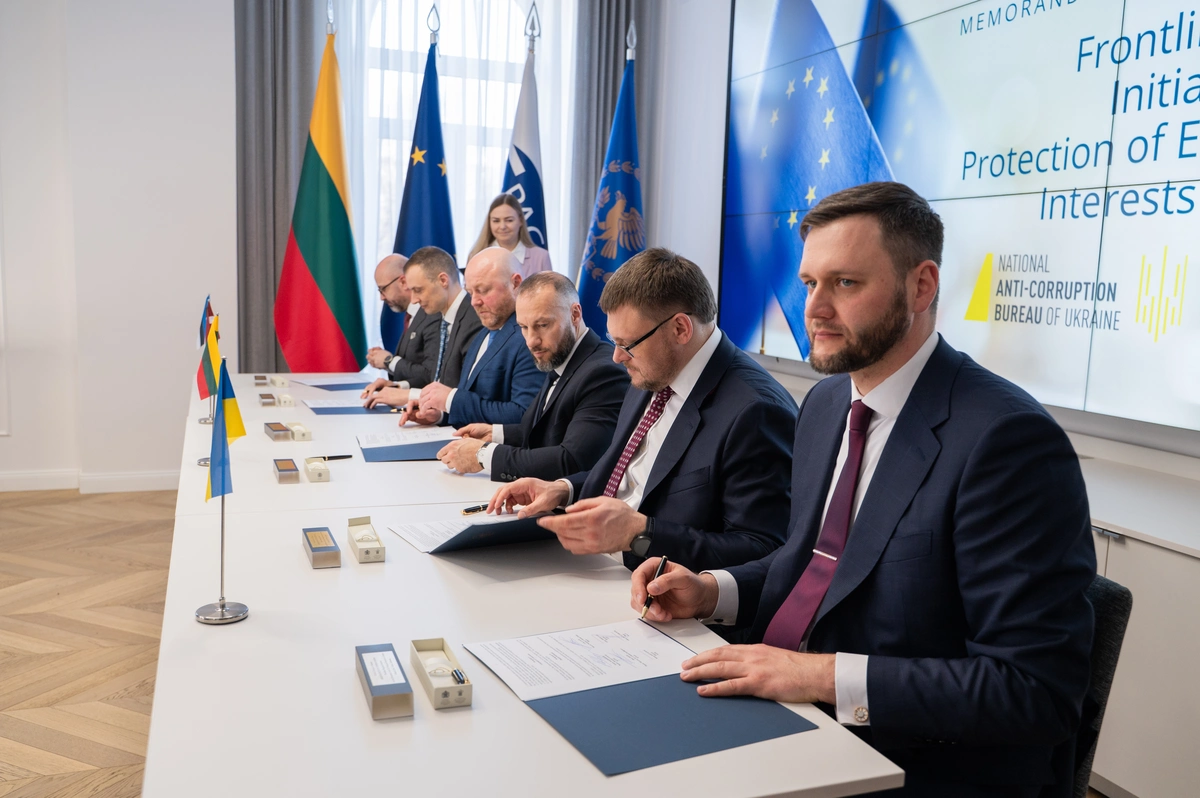
The Platform's objective is to ensure the transparent and accountable use of EU financial assistance and national funds earmarked for reconstruction through direct cooperation between the analytical and investigative units of the signatory countries. The initiative stems from last year's meeting of the heads of Baltic anti-corruption agencies, where Ukraine participated as a guest.
“Large-scale reconstruction projects inevitably entail increased risks of corruption and fraud. Declarations alone are not enough - concrete operational mechanisms are necessary. This Memorandum sends a clear signal that the region's anti-corruption institutions stand united in their support for Ukraine. I am confident that this partnership will create an effective mechanism for regular information exchange, strengthen the capacity of Ukrainian institutions to implement new financial control legislation, and make a significant contribution to protecting the EU's financial interests and detecting corruption cases,” stated Linas Pernavas, Director of the STT.
Viktor Pavlushchyk, Head of the NACP, emphasized that the agreements within the Memorandum signify a transition from diplomatic arrangements to practical cooperation directly on the ground.
“This interaction is based on three fundamental principles: protecting reconstruction resources, supporting Ukraine's integration into the EU, and direct cross-border communication. Thanks to real-time data exchange, we will have the tools to block and dismantle potential international corruption schemes promptly,” Viktor Pavlushchyk highlighted.
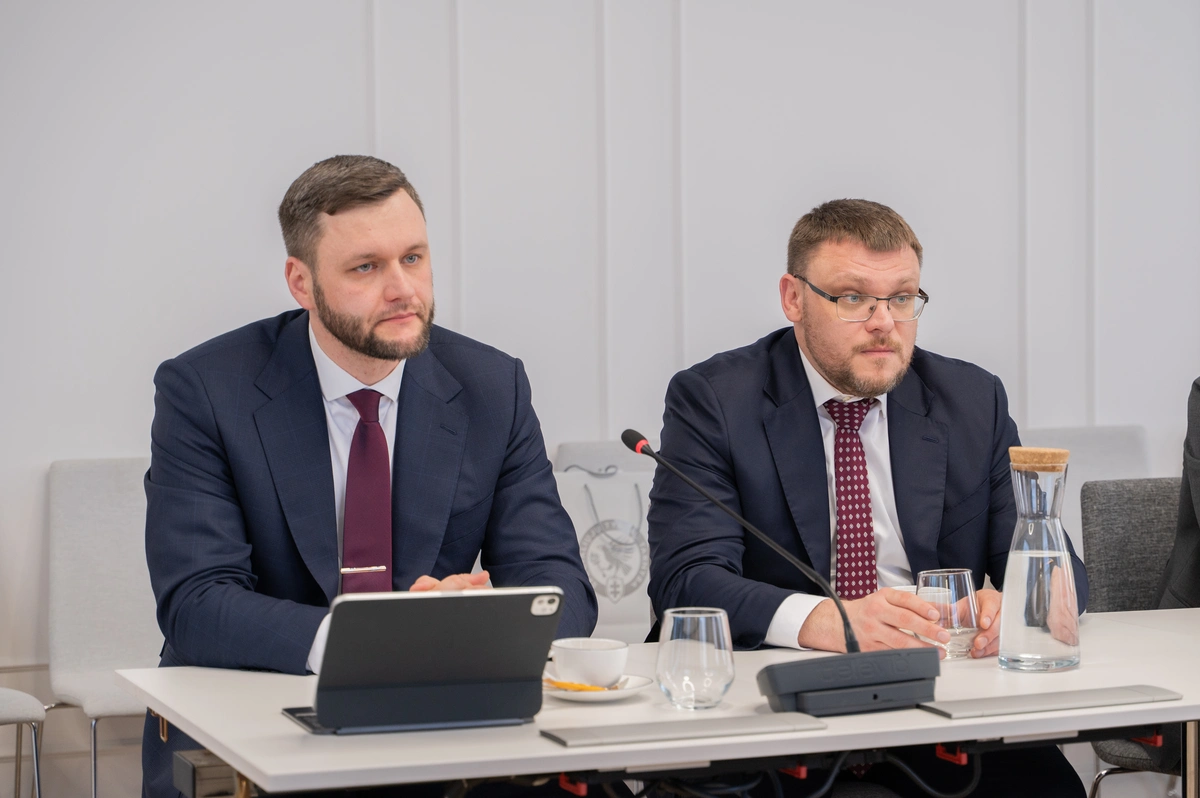
The implementation of the Memorandum and the operation of the Platform involve operational interaction among the signatories through regular coordination meetings of investigators, analysts, and liaison officers. Partners will exchange information and risk indicators related to the use of EU funds and national resources for reconstruction, including public procurement, grants, subsidies, budget support, and other financial instruments. Additionally, joint thematic seminars focusing on investigative methodologies, risk analysis, and strengthening transparency systems are planned. To monitor EU funds, direct interaction will be established with the European Public Prosecutor's Office (EPPO) and the European Anti-Fraud Office (OLAF).
Semen Kryvonos, Director of the NABU, noted that the partnership with Baltic colleagues is a practical tool for enhancing accountability and institutional resilience, which is particularly vital given current security challenges.
In turn, Jānis Roze, Deputy Director for Criminal Intelligence of the Corruption Prevention and Combating Bureau of Latvia, emphasized that the Memorandum provides a clear framework for stable cooperation aimed at the robust protection of the European Union's financial interests in Ukraine.
According to Andres Ratassepp, Deputy Director General of the Estonian Internal Security Service, the agreements within the document are a contribution to the well-being not only of Ukraine but of the entire European community.
For reference: The Platform is being established within the context of the long-term financial and institutional commitments of the European Union and its Member States to facilitate the reconstruction of Ukraine. The initiative underscores the practical contribution of Lithuania, Latvia, Estonia, as well as Poland and other countries in the region, toward ensuring the transparent and accountable use of aid funds and strengthening cross-border preventive and law enforcement cooperation.
All signatories are members of the European Partners Against Corruption (EPAC/EACN) network, currently chaired by the Special Investigation Service of Lithuania (STT). The Memorandum establishes a mechanism that will allow new participants to join in the future, ensuring the expansion of the initiative and the involvement of more countries and institutions.