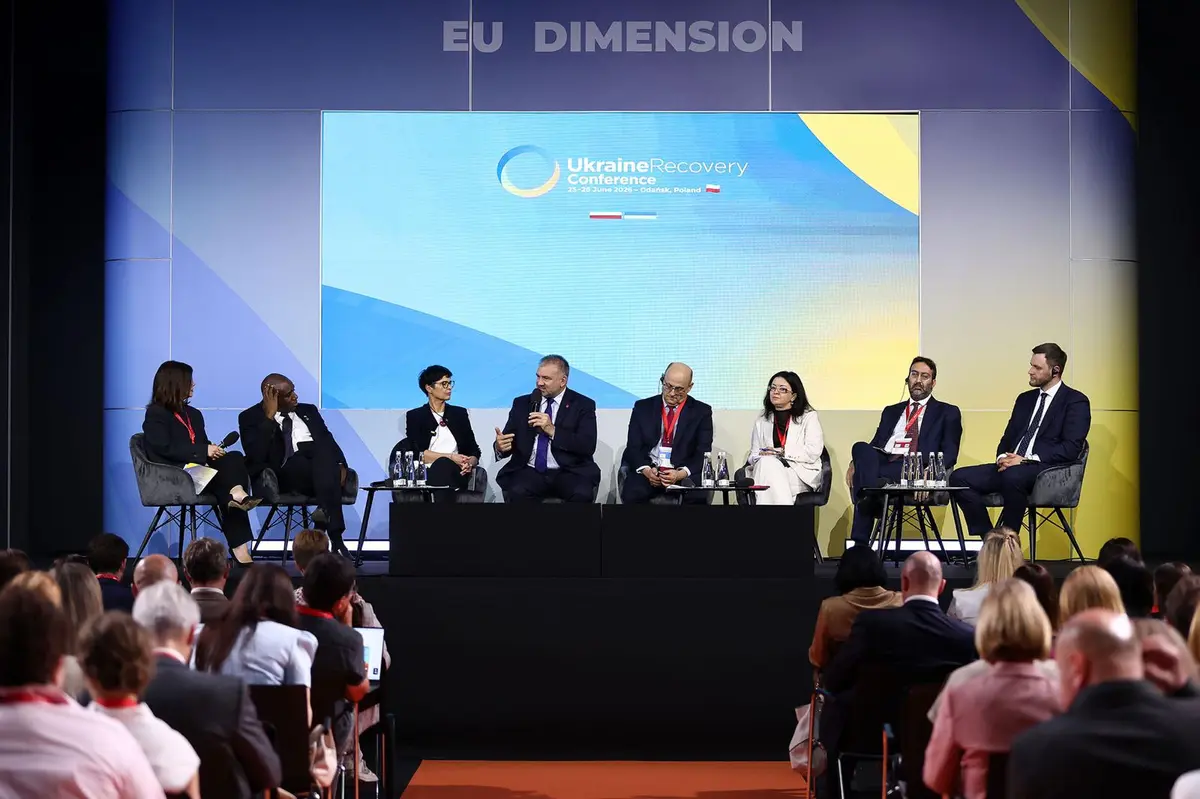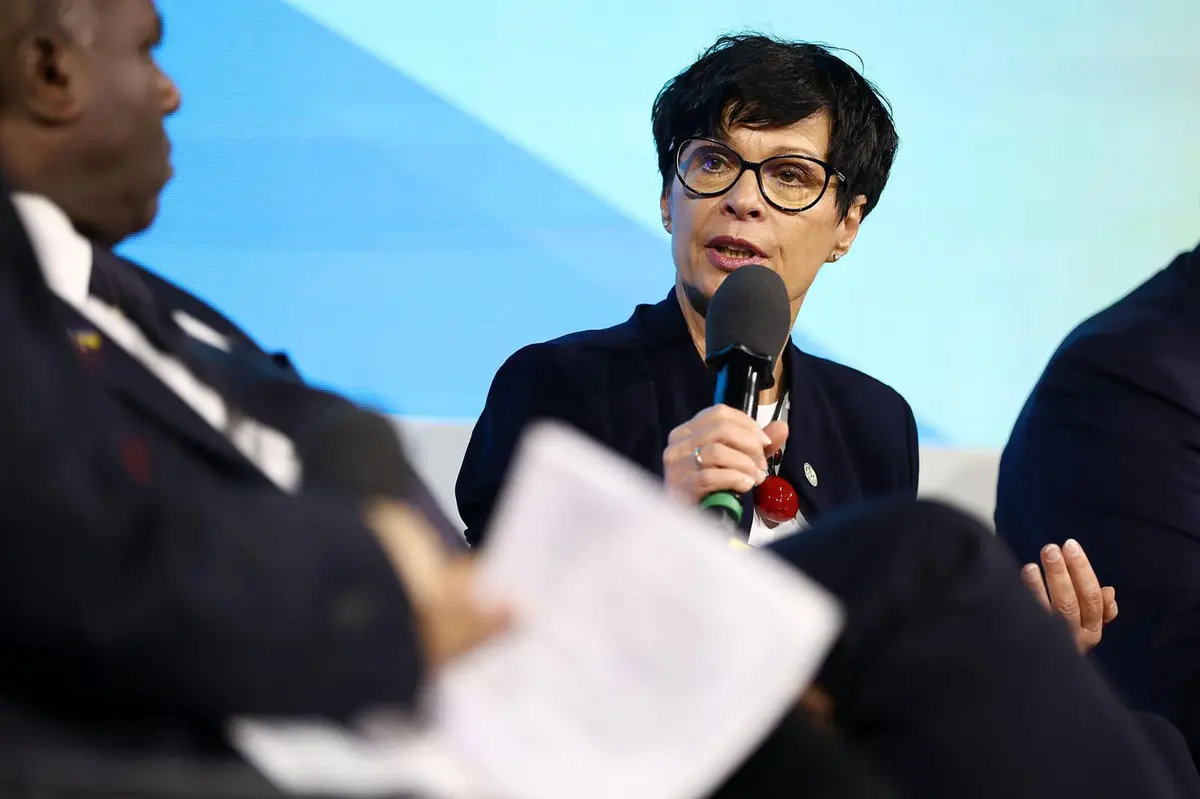

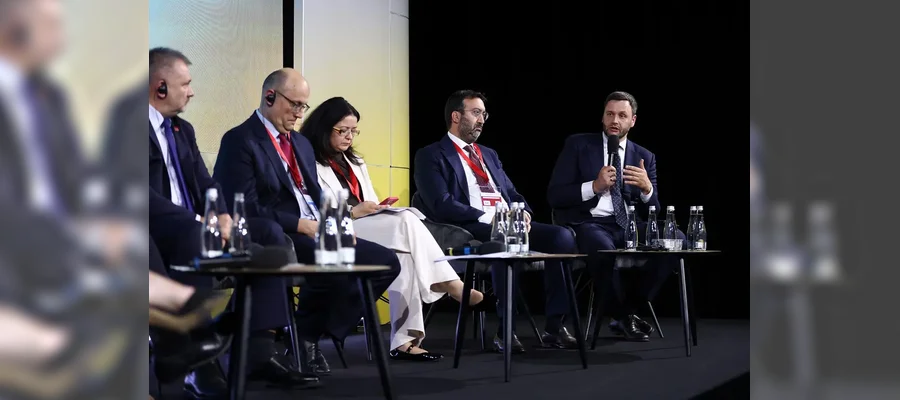
Combating corruption is the foundation not only for Ukraine's accession to the European Union but also for sustainable recovery, attracting investment, and maintaining public trust. This was stated by Head of the National Agency on Corruption Prevention (NACP) Viktor Pavlushchyk during the panel discussion “From reforms to results: rule of law and fight against corruption in Ukraine's EU accession process” at the Ukraine Recovery Conference (URC 2026).
The panel was also attended by European Commissioner for Enlargement Marta Kos, Minister of Justice of Poland Waldemar Żurek, Advisor to the Vice Prime Minister for European and Euro-Atlantic Integration of Ukraine Olha Kildyushkina, Deputy Prosecutor General of Poland Jacek Bilewicz, and Director General of Human Rights and Rule of Law of the Council of Europe Gianluca Esposito.
During the discussion, European partners emphasised that the fight against corruption is one of the key criteria for Ukraine's accession to the European Union, and at the same time a key condition for the economic recovery of the state.
European Commissioner Marta Kos also stressed that Ukraine's accession process should be based on the principle of a merits-based approach, and gradual integration into specific EU policies, even before obtaining full membership, could become an important tool for supporting reforms.
Head of the NACP Viktor Pavlushchyk noted that openness in highlighting corruption is a sign of maturity of democratic institutions, and progress must be evaluated by objective indicators. According to him, over the past 18 years, the level of real experience of citizens encountering corruption while receiving public services has decreased 3.7 times — from 67% in 2007 to 18.2% today. At the same time, Ukraine's Anti-Corruption Strategy for 2026-2030 envisages comprehensive systemic reforms in 16 priority areas of public administration aimed at minimising corruption risks.
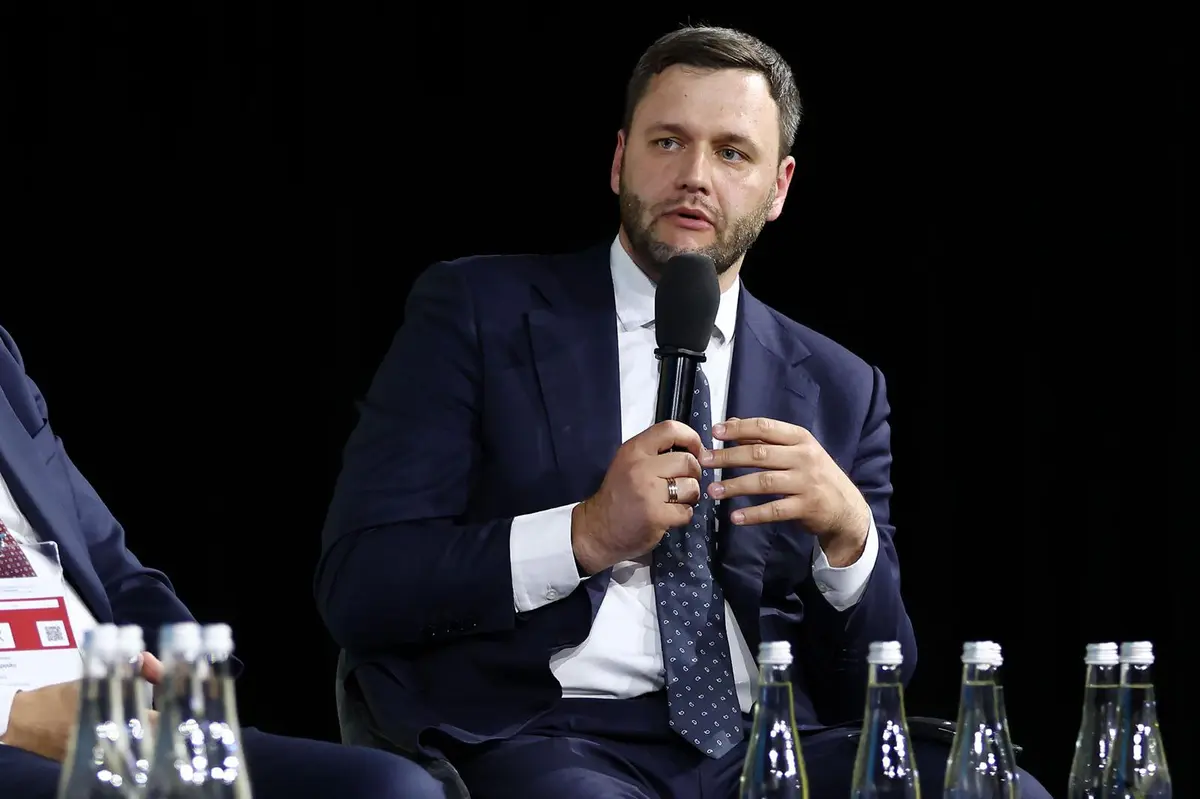
Developing this thought in the context of state policy, Olha Kildyushkina emphasised: "European integration is, first and foremost, a change for Ukraine itself. Reforms are needed not only for accession to the European Union, but also within the framework of our accession process. They are needed by Ukrainian society so that the state is stronger, institutions are more effective, and citizens trust the state more. We are implementing these changes because it is in the interest of Ukraine. That is exactly why cooperation with European partners is so important: it helps to build modern institutions that work in the interests of people and remain resilient regardless of political changes."
The panel participants also discussed the practical impact of reforms on public administration, accountability, investment climate, and Ukraine's fulfilment of the criteria of the first Cluster of EU accession negotiations "Fundamentals of the EU Accession Process".
For reference. The Ukraine Recovery Conference (URC 2026) took place on June 25–26, 2026, in Gdańsk (Republic of Poland), jointly organised by Ukraine and Poland. This year, for the first time, a separate area of the conference was the security dimension, dedicated to strengthening Ukraine's defence capability as a necessary prerequisite for the state's recovery. The event brought together representatives of governments, international organisations, financial institutions, business, and civil society to coordinate international support for the reconstruction of Ukraine.
Photo: Piotr Matusewicz