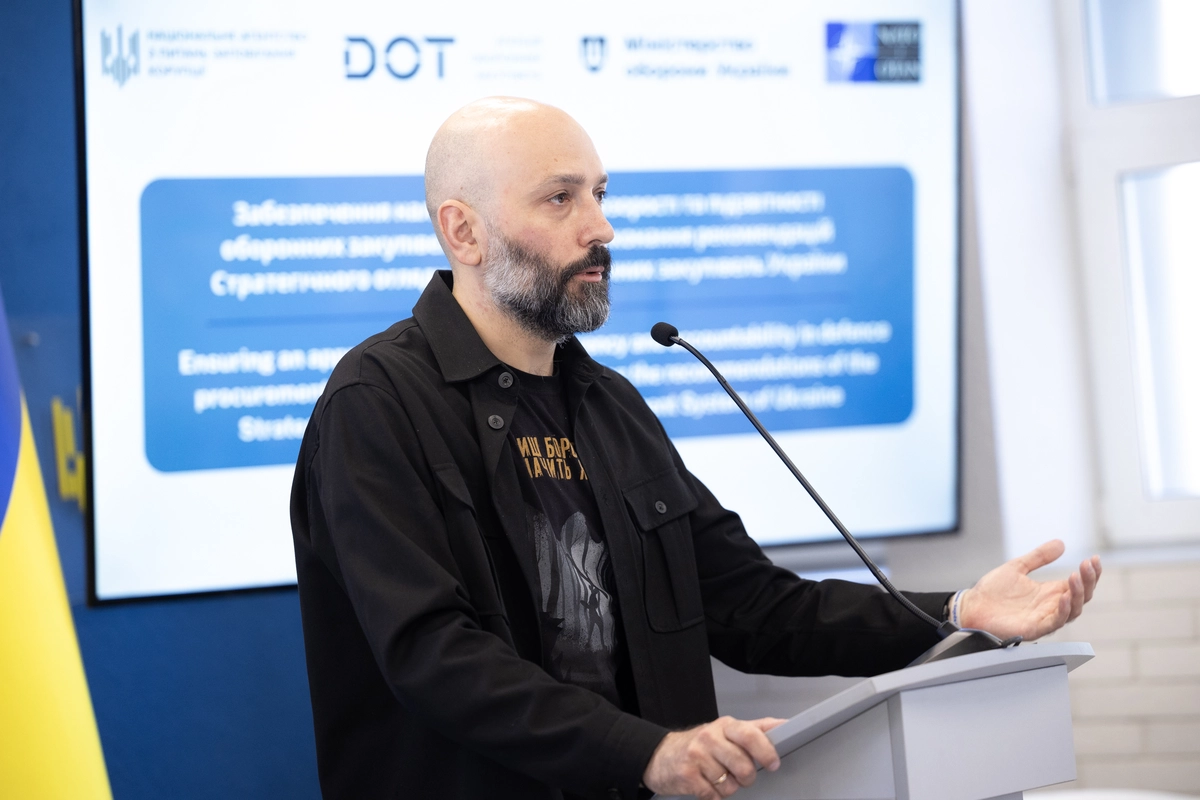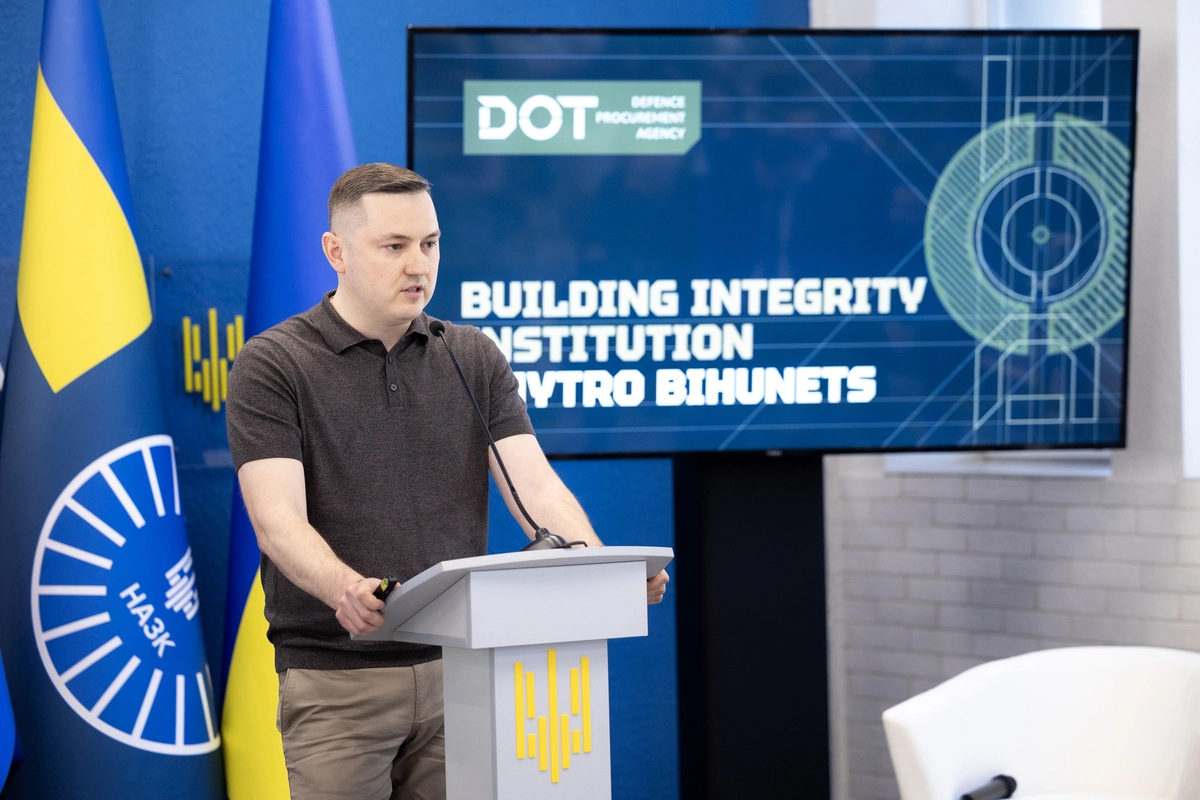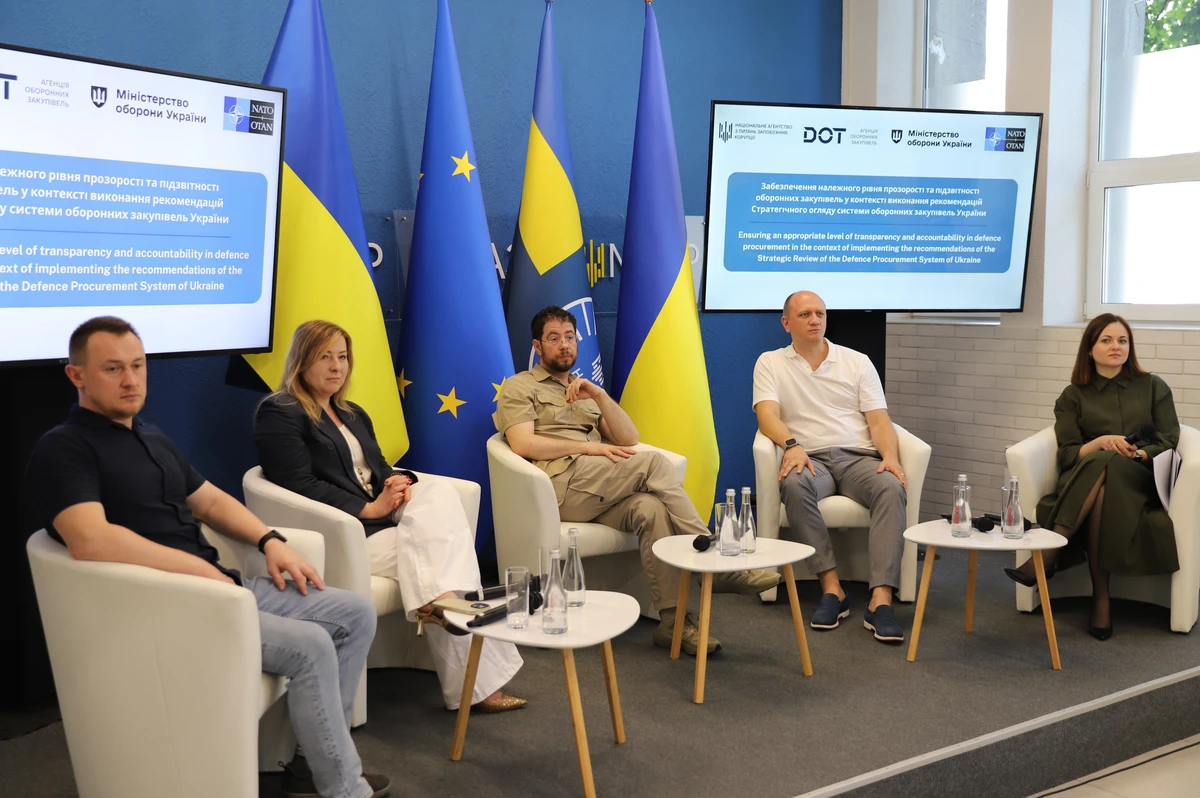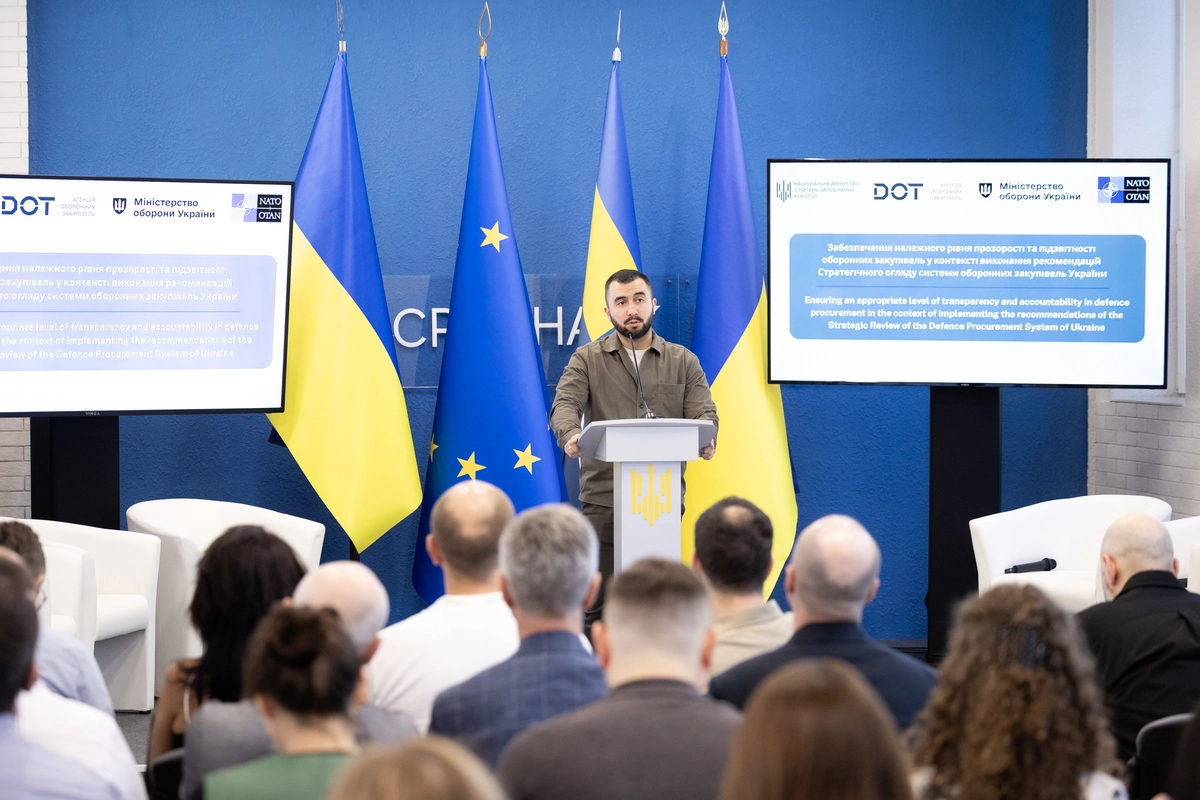

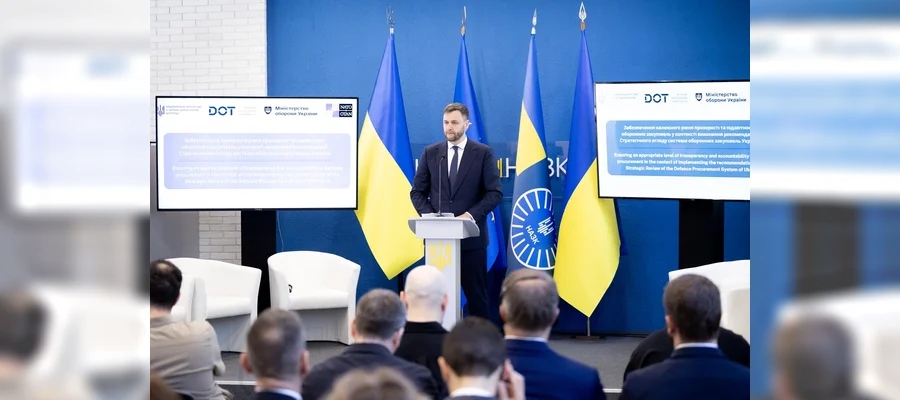
Ensuring the appropriate level of transparency, accountability, and integrity in the field of defence procurement within the context of implementing the recommendations of the Ukraine-NATO Strategic Review of Defense Procurement was discussed during a public dialogue held at the National Agency on Corruption Prevention (NACP).
NACP Head Viktor Pavlushchyk emphasised that the field of defence procurement remains one of the priorities of the state's anti-corruption policy.
"This area was identified as vulnerable back in the Anti-Corruption Strategy for 2021–2025 and maintains its priority status in the draft Strategy for 2026–2030, since transparency, accountability, and integrity in defense procurement are matters not only of the proper use of state resources, but also of the state's defense capability, public trust, and the trust of international partners," Viktor Pavlushchyk noted.
He added that the NACP, as the National Coordinator of Ukraine's cooperation with NATO in the field of integrity building, actively participates in implementing the recommendations of the Strategic Review. Specifically, it coordinates the implementation of recommendations No. 13–17, which concern ensuring the transparency, accountability, and integrity of the defence procurement system, and co-chairs Working Group No. 4 "Accountability," established for their implementation.
Arsen Zhumadilov, Director of the Defence Procurement Agency (DOT), emphasised the importance of building strong institutions capable of simultaneously ensuring the integrity, efficiency, and effectiveness of the system.
"The issue of integrity is inextricably linked to how the system itself is built. How clearly the roles are distributed among its participants, to what extent decisions depend on processes rather than individual people, and how easy it is to verify the logic of these decisions. It is this approach that allows us to embed principles of integrity at all stages of the procurement process," Arsen Zhumadilov noted.
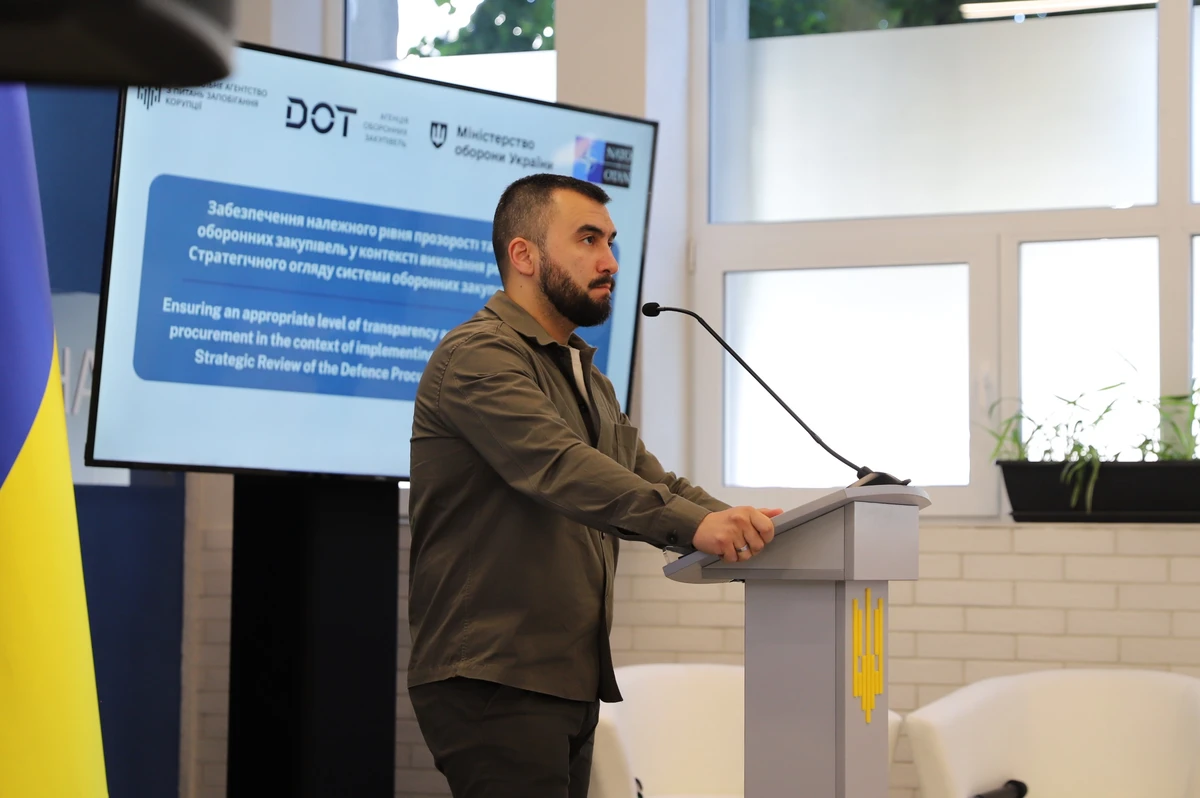
This position was supported by Joakim Frendin, Head of the Building Integrity Section at NATO Headquarters, who noted Ukraine's progress in implementing principles of good governance in the defence sector and the importance of further developing risk management systems: "Integrity and good governance are the foundation for the success of reforms in the security and defence sector. Ukraine has already demonstrated significant results in building resilient management mechanisms even under wartime conditions. Further success depends on the ability to combine swift decision-making with the appropriate level of accountability and control," he stated.

During the presentation of the results of the defence procurement system reform, Deputy Minister of Defense of Ukraine Mstyslav Banik emphasised the importance of predictable rules of interaction between the state and the defence industry. According to him, the transformation of the defence procurement system is a continuous process that must take into account both the needs of the frontline and the development of the Ukrainian defence-industrial complex. At the same time, it is crucial to ensure a balance between the speed of decision-making, transparency of procedures, and efficiency of resource use.
"Tender procedures can be transparent and accountable even in large volumes – this was demonstrated by the procurement of 155-mm shells, which became a record for the DPA DOT. Even during the active phase of the war, we are building a system where every decision is explained, verified, and monitored. Yes, taking all risks into account – but also understanding that this is necessary. The more transparent the system is, the harder it is to bypass. And the more weapons will go straight to the front – which is exactly what we are working for, actually. For every soldier on the battlefield," he noted.
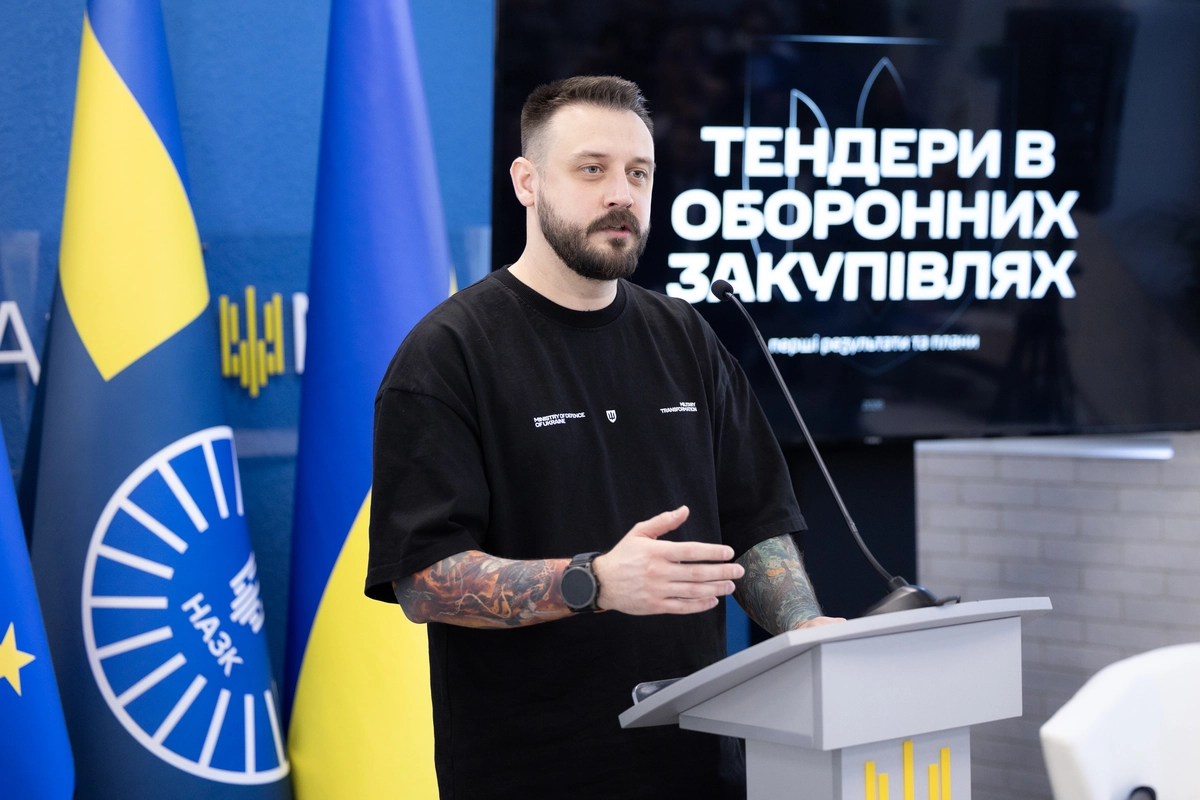
In addition to the results of the defence procurement system reform, the participants discussed the development of compliance systems in the field of defence procurement, mechanisms of institutional oversight and public control, as well as further steps to strengthen trust in the defence procurement system both in Ukraine and among international partners.
As part of the event, a Memorandum of Understanding and Cooperation was also signed between the NACP and the Supervisory Board of the DPA DOT. The document is aimed at deepening cooperation in the field of integrity, compliance, and anti-corruption mechanisms.
The event was co-organised by the NACP, the Ministry of Defense of Ukraine, and the Defense Procurement Agency (DOT). Representatives of the DPA DOT Supervisory Board, the NATO Representation to Ukraine, the public, and the expert community also took part in the discussion.
As a reminder, in 2024-2025, the NACP conducted two strategic reviews of corruption risks: in the field of centralised logistics procurement for the Armed Forces of Ukraine and procurement of unmanned systems and electronic warfare equipment. The developed recommendations are already being used to strengthen the integrity of the system.