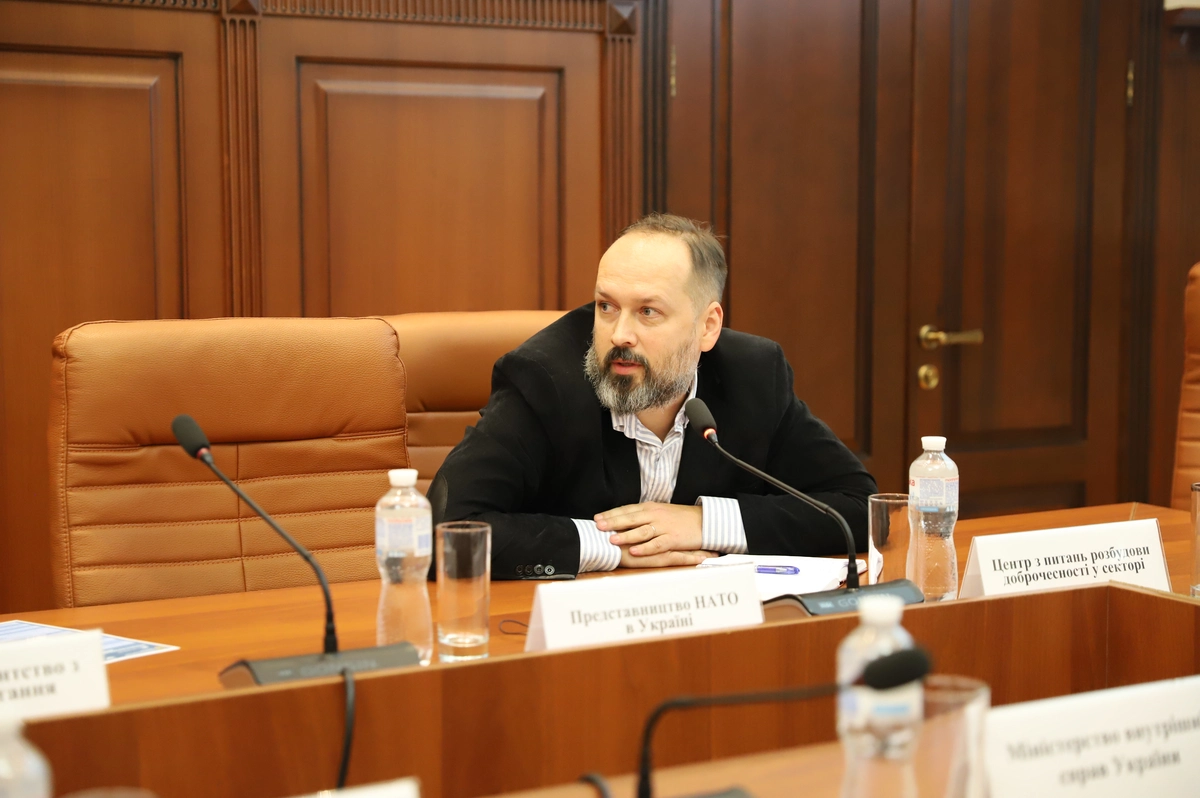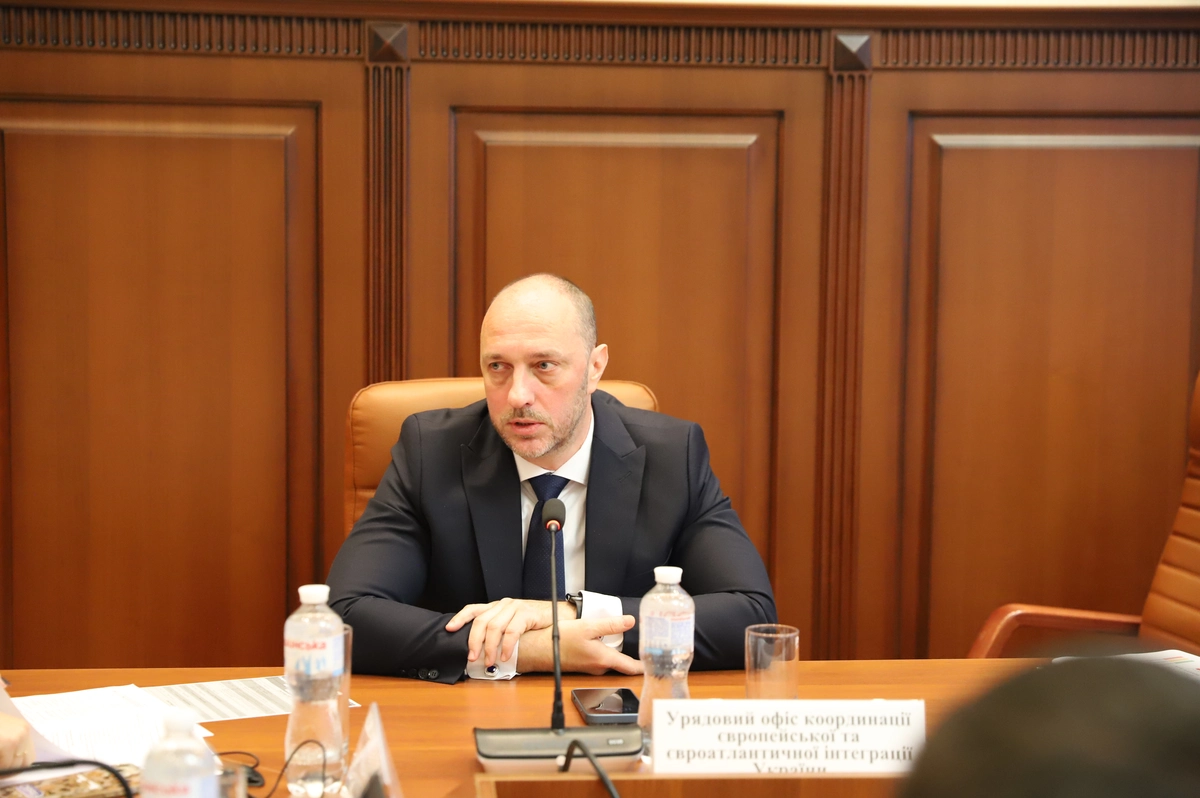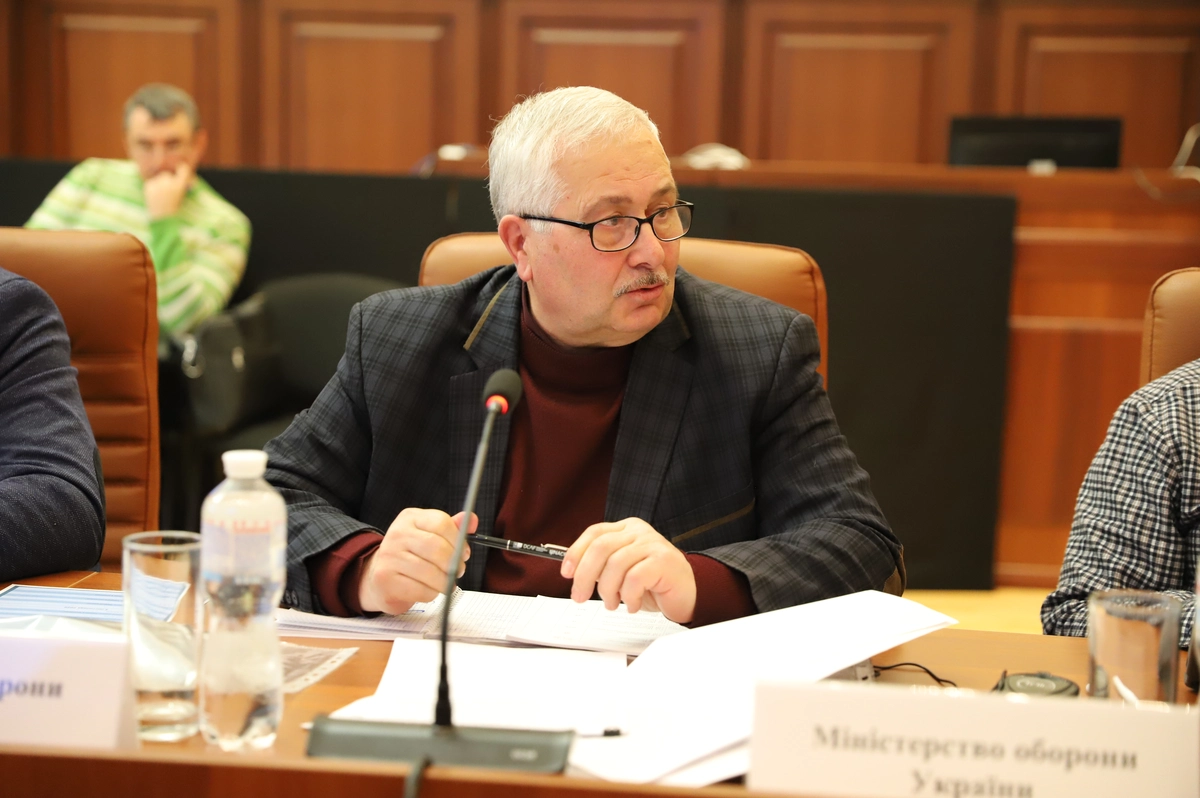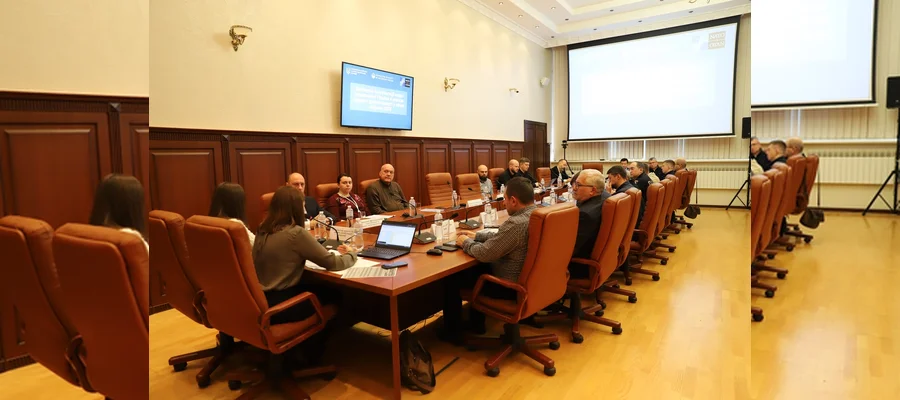
The National Agency on Corruption Prevention (NACP), together with security and defence sector institutions, is collecting the information needed to prepare the Government's position as part of the Government Defence Integrity Index (GDI) assessment conducted by Transparency International Defence & Security. The Agency held expert consultations involving representatives of state institutions and international partners, including NATO, CIDS and Transparency International Defence & Security.
Viktor Pavlushchyk, Head of the NACP, emphasised that the Government Defence Integrity Index should not be viewed solely as an international ranking. Its value lies in the opportunity to identify institutional gaps, assess the effectiveness of corruption prevention mechanisms and outline areas for further improvement in defence governance.
“It is important for Ukraine that the assessment objectively reflects the actual situation, takes into account our specific circumstances and, at the same time, demonstrates the progress we have achieved. The NACP's role in this process is not only to provide expertise but, above all, to coordinate efforts — we must ensure consistency of approaches and develop a consolidated position for Ukraine. It is the expertise of all institutions involved and a strong evidence base that will enable us to properly present our achievements to international partners,” said Viktor Pavlushchyk.
A representative of the NATO Building Integrity Programme acknowledged the NACP's contribution to facilitating the fulfilment of Ukraine's commitments, particularly through effective coordination of the security and defence sector.
The methodology of the Government Defence Integrity Index assessment was presented by Patrick Kwasi Brobbey, Research Project Manager of the Government Defence Integrity Index programme at Transparency International Defence & Security. The Index assesses not the actual level of corruption in the defence sector, but the existence of institutional mechanisms for preventing corruption risks, their practical application and effectiveness. The assessment covers six main categories of risk: political, financial, personnel, procurement, gender-related and operational risks.
Terje Haaverstad, Director of the CIDS Programme in Ukraine, shared Norway's practical experience of participating in previous GDI assessment cycles, which will contribute to the proper formulation of the Government's position. “Our experience shows that work with the Index should not end once the assessment results are published. That is why the GDI should be used as a tool for institutional development,” Terje Haaverstad emphasised. He also noted that GDI results can, among other things, serve as one of the sources used by international partners and donor countries when assessing Ukraine's progress.
During the practical part of the consultations, participants examined all the risk categories covered by the assessment and discussed the existing scores, as well as opportunities to provide documentary evidence for the relevant indicators.
Marta Ivashkiv, Head of the NACP's Directorate of Integrity Policy Making in the Security and Defence Sector, coordinated the participants' work and emphasised the need to consolidate the efforts of all state institutions involved and properly prepare the evidence base:
“Each institution has an opportunity to demonstrate its own corruption prevention mechanisms, the results of their implementation and positive practices. Our task is to bring these achievements together, ensure consistency of information and prepare a well-substantiated position for Ukraine that will demonstrate the joint efforts of the NACP and security and defence sector institutions aimed at building integrity and ensuring transparency of processes, even under martial law,” said Marta Ivashkiv.
The results of the expert consultations and the materials provided by state institutions will form the basis for preparing the consolidated position of the Government of Ukraine to ensure that Ukraine's progress in strengthening integrity in the security and defence sector is reflected as fully and objectively as possible.
The event was organised by the NACP with expert and financial support from the Centre for Integrity in the Defence Sector (CIDS) at the Norwegian Ministry of Defence, with the participation of representatives of the NATO Building Integrity Programme and Transparency International Defence & Security.
As a reminder, the NACP is developing the BI Defence Community platform, established to bring together state institutions of the security and defence sector and international partners around common approaches to building integrity and preventing corruption. More details are available here.