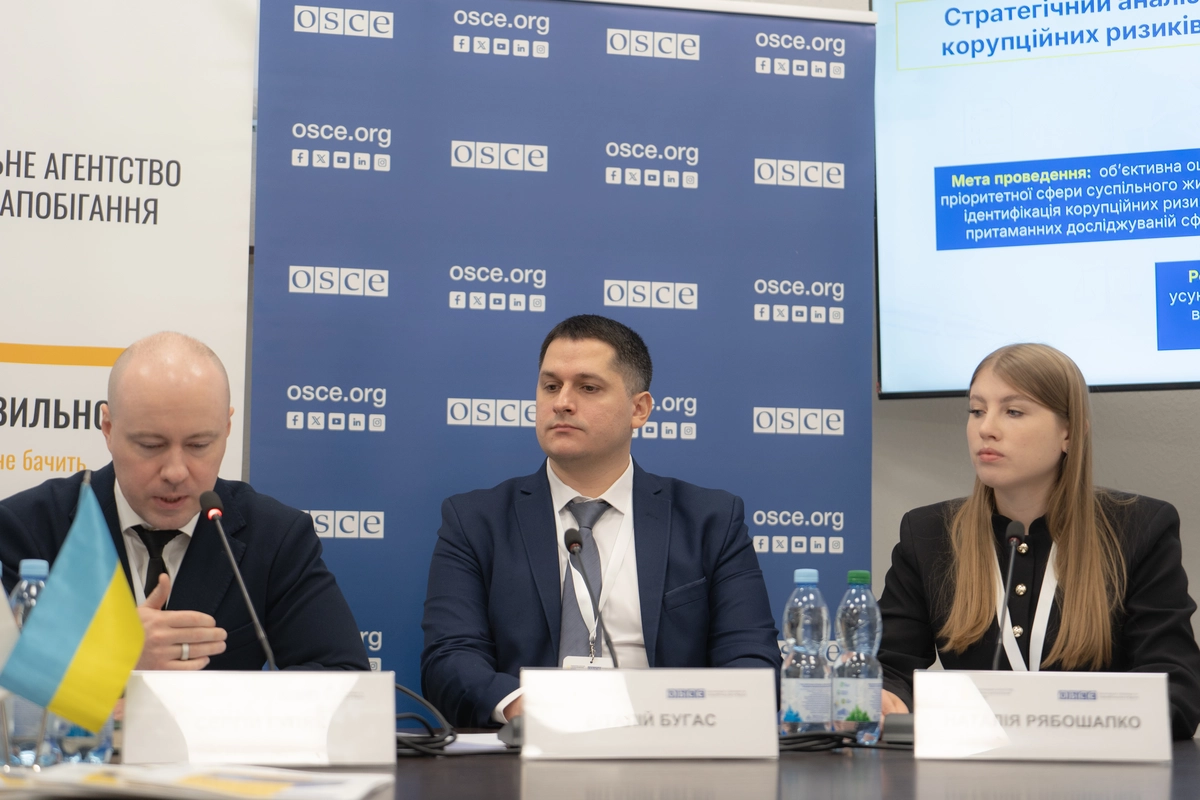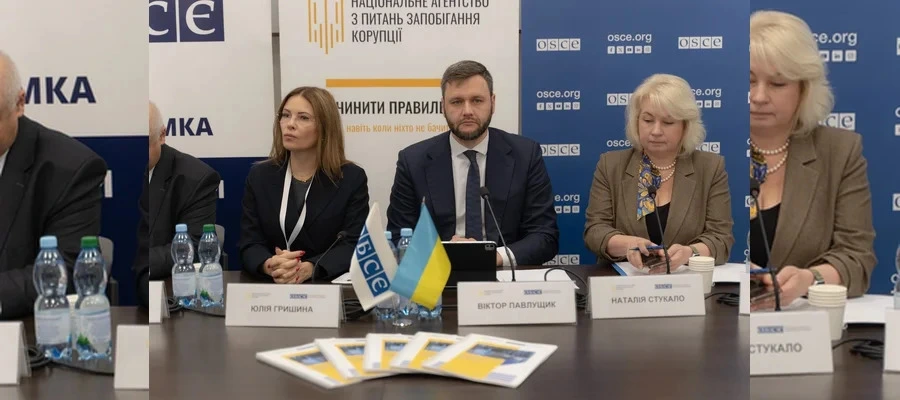
The National Agency on Corruption Prevention (NACP), together with experts from the OSCE Support Programme for Ukraine, has prepared a comprehensive study titled Corruption Risks in Higher Education, which identifies 22 key corruption risks and provides recommendations for minimizing or eliminating them.
Higher education plays a crucial role in state development, training qualified specialists, building scientific potential, and driving innovation. Its importance is growing particularly in the context of Ukraine's post-war recovery and the implementation of European integration commitments.
At the same time, the annual allocation of substantial budget resources to finance this sector, combined with the broad managerial powers of higher education institutions, requires proper mechanisms for transparency, accountability, and oversight. It is essential to ensure a balance between the academic autonomy of universities and adherence to the principles of good governance.
"Academic autonomy is a prerequisite for the development of universities, science, and education. It must be protected. However, autonomy does not exempt institutions from the requirements of good governance, accountability, and the responsible use of public funds. Our task is to find a balance where universities have sufficient freedom to develop while managerial processes are safeguarded against abuse and conflicts of interest," noted NACP Head Viktor Pavlushchyk.
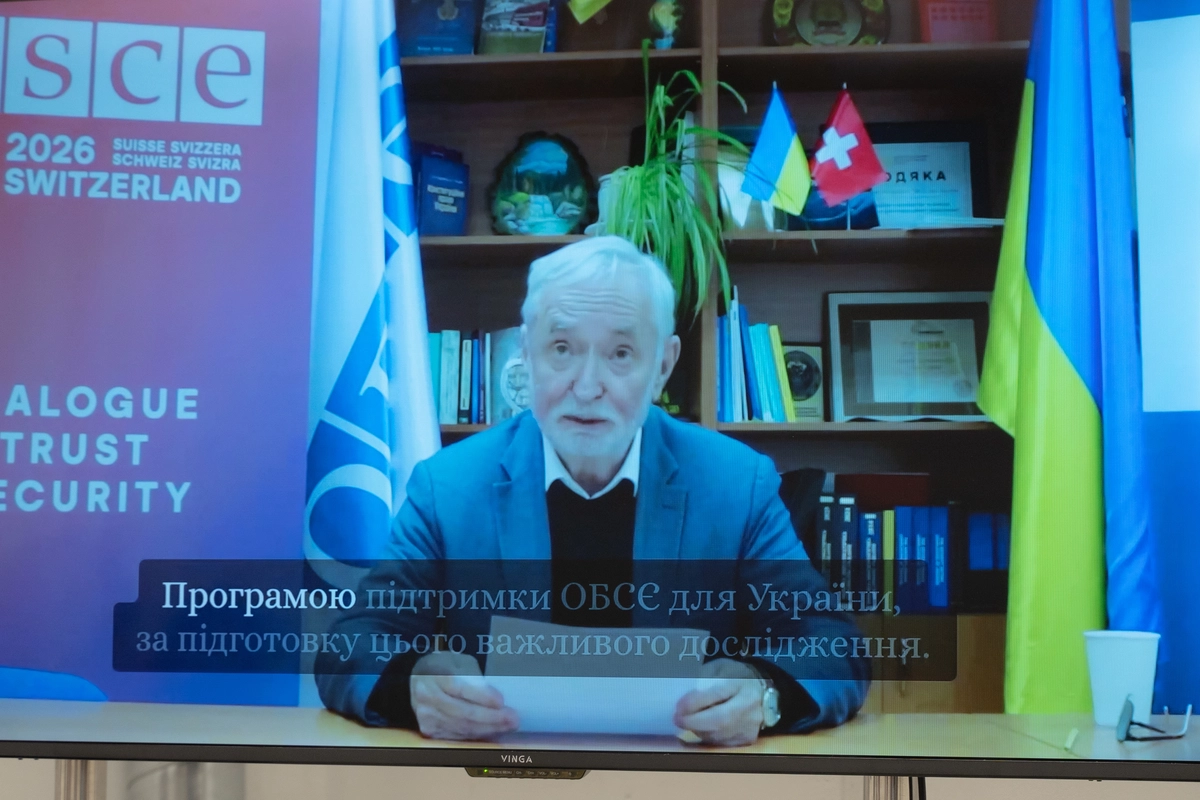
Ambassador Petr Mareš, Special Representative of the OSCE Chairperson-in-Office in Ukraine, underscored the importance of the study and of joint efforts by state institutions, universities, the academic community, and civil society to overcome corruption risks.
"Education is much more than just a public service. It is no exaggeration to say that corruption in education can rob a nation of its future. It instills a distorted value system in young people and undermines the quality of the educational process. A transparent, accountable, and reliable higher education system is a prerequisite for training the specialists, scientists, and innovators who will rebuild the country and secure its future within the family of democratic European states," he stated.
NACP specialists thoroughly examined processes related to public administration, financing, the organization of educational and research activities, and quality assurance in higher education.
Based on the analysis, 22 key corruption risks were identified and grouped into three main areas:
-
Activities of the Ministry of Education and Science of Ukraine: allocation of budget funding among higher education institutions, optimization of the institutional network, licensing of educational activities, competitive funding of research projects, compilation of the list of specialized scientific publications, appointment of heads of higher education institutions, and management of state property;
-
Educational and scientific activities and administration of budget funds: organization of the Unified State Qualification Exam, preparation for dissertation defenses, compliance with academic integrity, credentialing of academic and research staff, awarding of academic scholarships, admission to postgraduate and doctoral programs, and management of intellectual property rights;
-
Activities of the National Agency for Higher Education Quality Assurance (NAQA): formation of the Agency's membership, appointment of expert groups, distribution of cases within the sectoral expert council, potential undue influence on experts during accreditation, and insufficiently effective mechanisms for monitoring compliance with academic integrity.
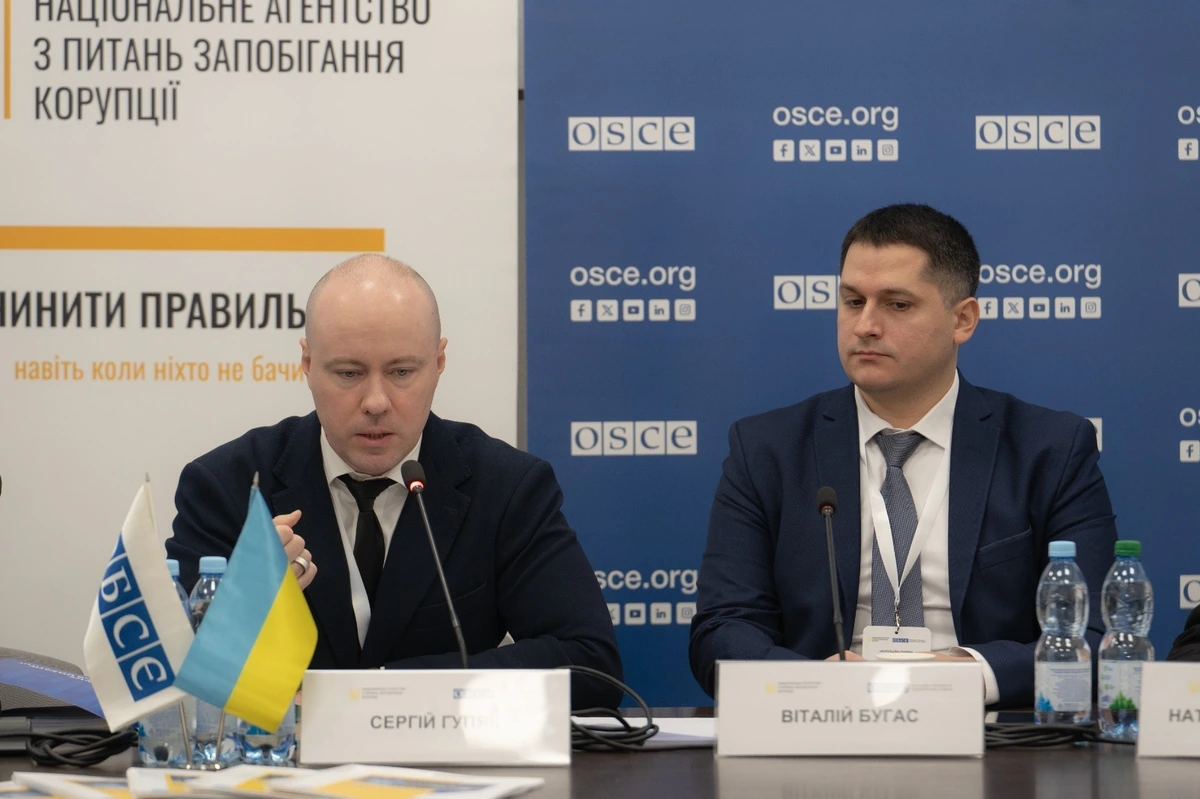
"Strategic analysis of corruption risks is one of the instruments for exercising the NACP's mandate. We delve into a specific sector, examine it, and identify problem areas. Our primary goal is to achieve meaningful results so that the implementation of recommendations helps minimize corruption risks, partially or completely eliminate them, and ultimately lead to systemic change," emphasized NACP Deputy Head Serhii Hupiak.
According to Serhii Hupiak, the study revealed issues related to insufficient transparency of procedures and justification of managerial decisions, flawed criteria and mechanisms for their application, inadequate effectiveness of internal control and accountability, and the need to improve procedures for preventing conflicts of interest and ensuring academic integrity.
At the same time, the study showed that the Ministry of Education and Science of Ukraine (MES), the National Agency for Higher Education Quality Assurance (NAQA), and higher education institutions are already implementing corruption prevention practices. Further development of these practices requires strengthening existing tools, improving procedures, and fostering open discussion of problematic issues.
Based on the findings, the NACP formulated practical recommendations, in particular for the MES and NAQA.
The recommendations can be utilized by the Verkhovna Rada of Ukraine, the Cabinet of Ministers of Ukraine, the MES, other public authorities, higher education institutions, and their governing bodies when improving legislation, shaping state policy in higher education, and developing anti-corruption measures and internal good governance procedures. Furthermore, the study aims to increase transparency in higher education, strengthen academic integrity, and expand opportunities for the academic community and civil society to participate in corruption prevention and public oversight.
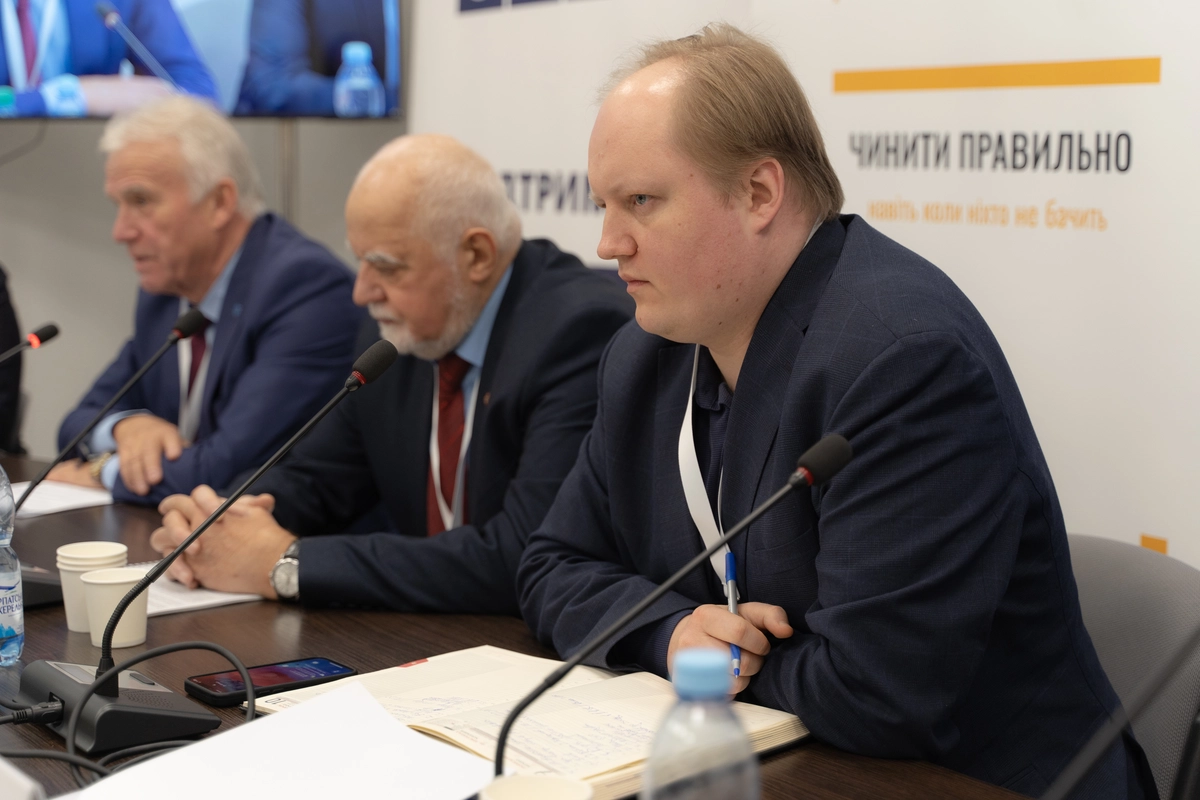
The presentation of the study was attended by representatives of the Ministry of Education and Science of Ukraine, the National Agency for Higher Education Quality Assurance, higher education institutions, the National Anti-Corruption Bureau of Ukraine (NABU), the Ukrainian Association of Students, and civil society organizations. Yuliia Hryshyna, Chair of the Subcommittee on Higher Education of the Verkhovna Rada Committee on Education, Science and Innovation, and Nadiia Leshchyk, Educational Ombudsman of Ukraine, also joined the discussion.
The full text of the study Corruption Risks in Higher Education is available here.