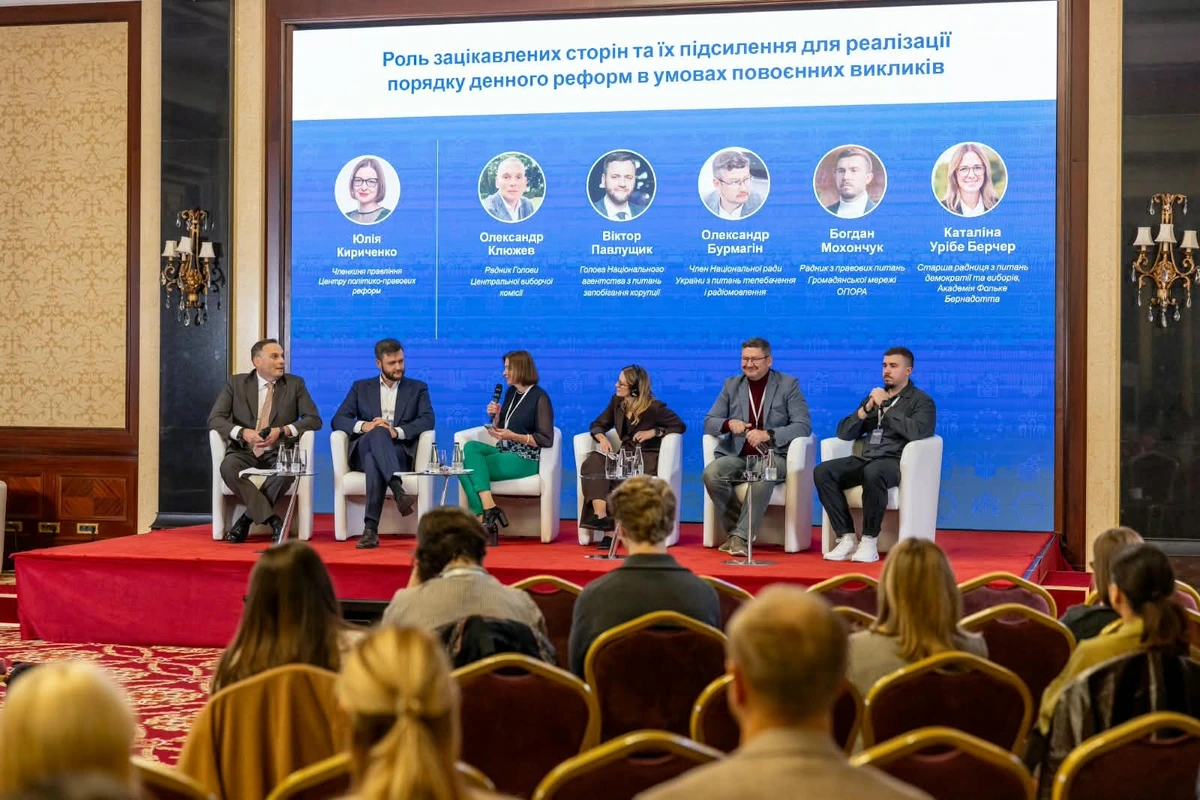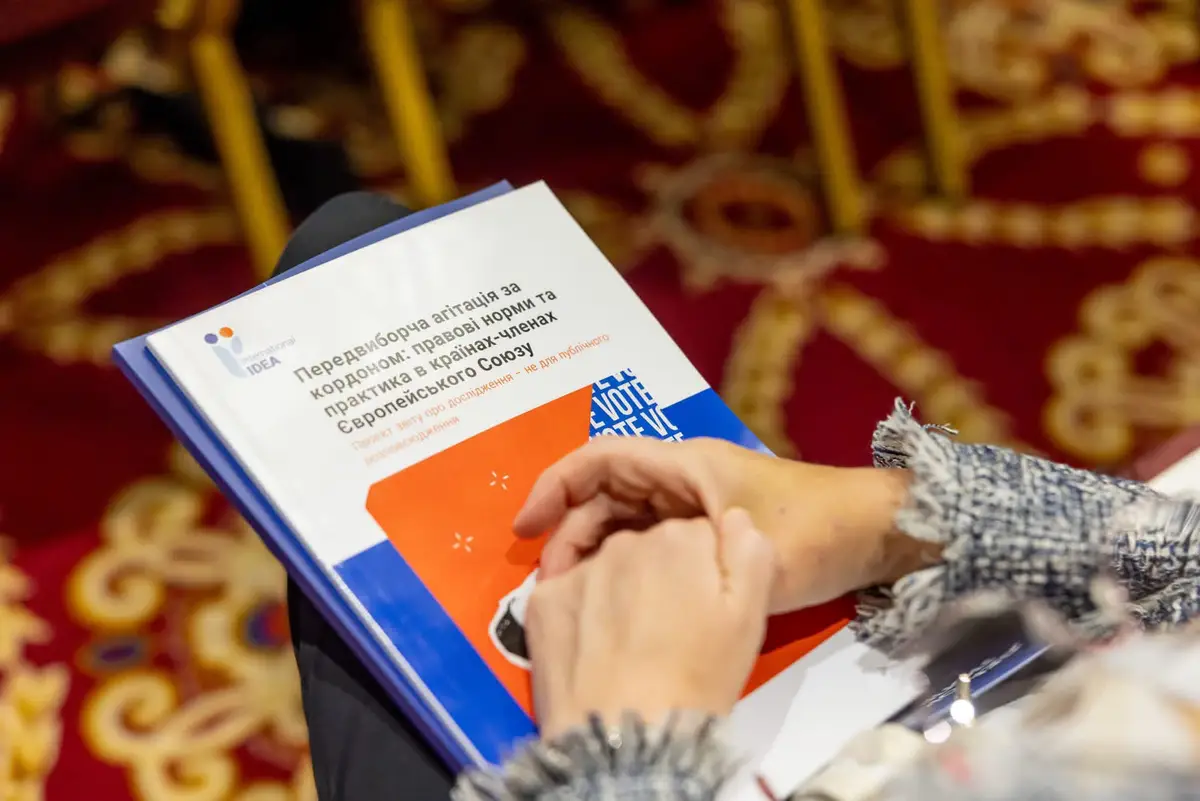

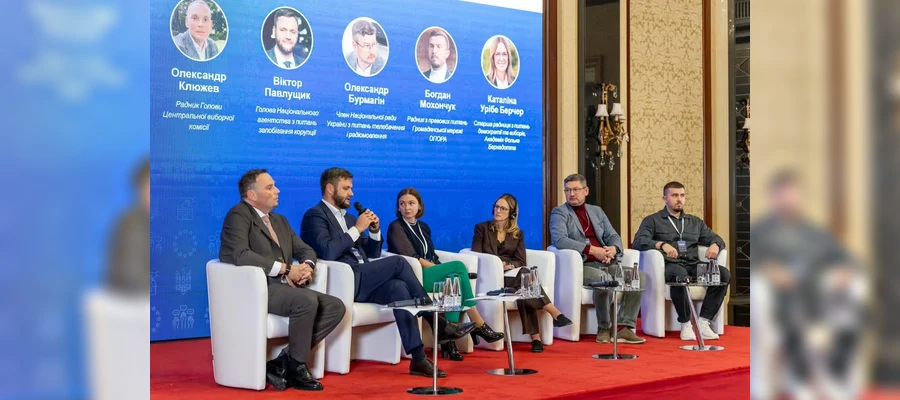
The organization of post-war elections, the capacity of institutions to conduct them, media and electoral legislation, and control over political finances were discussed during the panel "The Role of Stakeholders and Their Strengthening to Implement the Reform Agenda Amid Post-War Challenges" within the framework of the conference "Democracy Despite All: From Challenges to Opportunities."
Representatives of the National Agency on Corruption Prevention (NACP), the Central Election Commission (CEC), the National Council of Television and Radio Broadcasting of Ukraine, Civil Network OPORA, the Folke Bernadotte Academy, and the Centre of Policy and Legal Reform emphasised the need for legislative changes in the field of electoral, party, and media legislation, strengthening the capacity of authorities to organise and conduct post-war elections, as well as the need to fulfil Ukraine's European integration commitments.
As Moldova and Romania show, the rf uses complex financial chains during elections, from cryptocurrency transfers to massive "cashback" to straw donors, to destabilise the situation.
Transparency in funding political parties and election campaigns depends on the functioning of the triangle "digital transparency — financial hygiene — inevitability of punishment." Without a real-time monitoring system, violations are detected too late — when the elections have already taken place, and "dirty" money has already formed the result.
That is why the new digital environment, particularly the use of cryptocurrencies and artificial intelligence, requires additional regulation.
"Technically and resource-wise, the NACP is ready for post-war elections, but in the new realities, legislative changes are needed to reform legislation regarding the financing of political parties and election campaigns. Draft Law No. 14289 on the new version of the Law 'On Political Parties' provides for the implementation of changes that will minimise the influence of financial and industrial groups on political parties and election campaigns, as well as reduce the risks of foreign interference in political activities, including from the rf," noted Head of the NACP Viktor Pavliushyk.
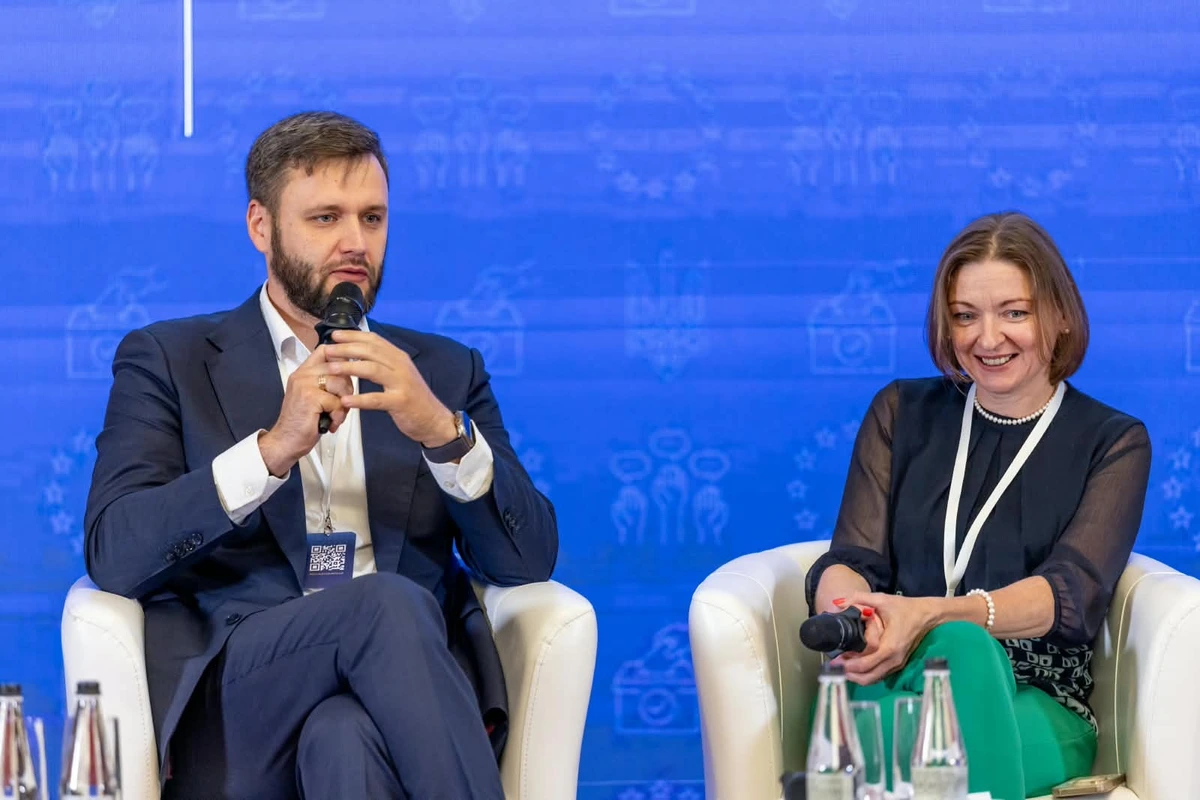
In addition, according to him, Draft Law No. 11462 on electronic reporting of campaign funds and transferring report analysis to the NACP will ensure a complete transition of campaign funds to electronic reporting. This will allow voters to access the financial history of election process participants before voting. A transparent digital monitoring system will replace the vast volume of paper documents.
The NACP, together with Civil Network OPORA, the CHESNO Movement, the CEC, other state bodies, and experts, drafted amendments to the Criminal Code and the Code of Ukraine on Administrative Offenses regarding the regulation of legal liability specifics for violations of political finance legislation (in particular, regarding foreign funding).
The proposed mechanisms will make it impossible to use fictitious donations from pensioners or students and finance campaigning through "grey" non-governmental organisations. This is one of the key elements of protection against foreign interference.
The adoption of these draft laws, the improvement of digital tools, and the cooperation between the NACP, the CEC, and the law enforcement sector, as well as a partner dialogue with civil society, will enable the establishment of a system to counter illegal funding of political parties, ensure political finance transparency, and organise elections following the lifting of martial law.
The conference was organised by the Central Election Commission of Ukraine (CEC), Civil Network OPORA, and the International Foundation for Electoral Systems (IFES) together with the e-Governance Academy, the Folke Bernadotte Academy (FBA), the International Institute for Democracy and Electoral Assistance (International IDEA), the National Democratic Institute (NDI), the OSCE Office for Democratic Institutions and Human Rights (ODIHR), and the Centre of Policy and Legal Reform (CPLR).
The event is supported by the European Union within the framework of the "Jointly Building Readiness and Resilience of Electoral Processes (BEPART)" project, the Swedish International Development Cooperation Agency (SIDA) within the "Pluralistic and Integrity Elections in Ukraine (PACE)" project, the Department of Foreign Affairs and Trade of Ireland within the "Inclusive Dialogues for Democratic Reform in Ukraine" project, the Olof Palme International Center (OPC), the Swedish International Liberal Centre (SILC), the Centre Party International Foundation (CIS), and the Christian Democratic International Center (KIC).