
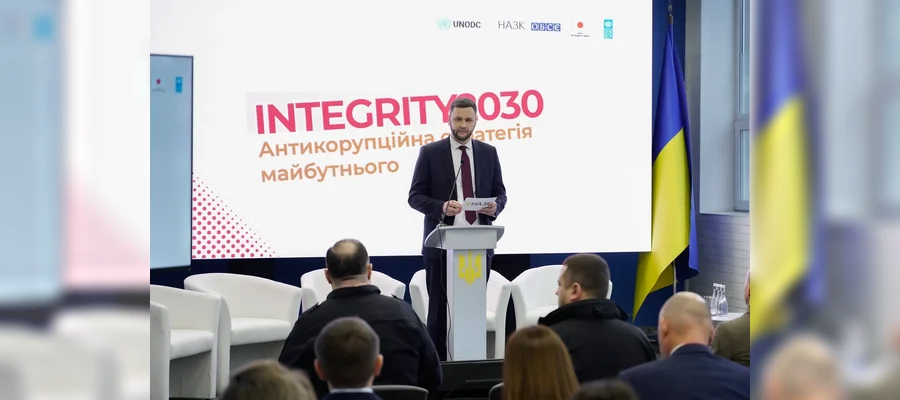
Our immediate future is the adoption of the Anti-Corruption Strategy until 2030. We are completing public discussions on the 26 sections of the document. This is a strategy of sustainability and responsibility based on three principles: first, strong institutions that cannot be broken by political pressure; second, digital tools and analytics that allow violations to be detected before they occur; and third, a focus on areas of highest risk, primarily defence and reconstruction. This was noted by Viktor Pavlushchyk, Head of the National Agency on Corruption Prevention (NACP) during the National Anti-Corruption Forum ‘Integrity2030: Anti-Corruption Strategy for the Future.’
According to him, Ukraine's participation in the OECD Integrity Review confirmed that we have reached a level that exceeds the average indicators of many developed countries. The 2025 Annual Report of the European Union Enlargement Package notes that specialised anti-corruption institutions have continued to increase their effectiveness.
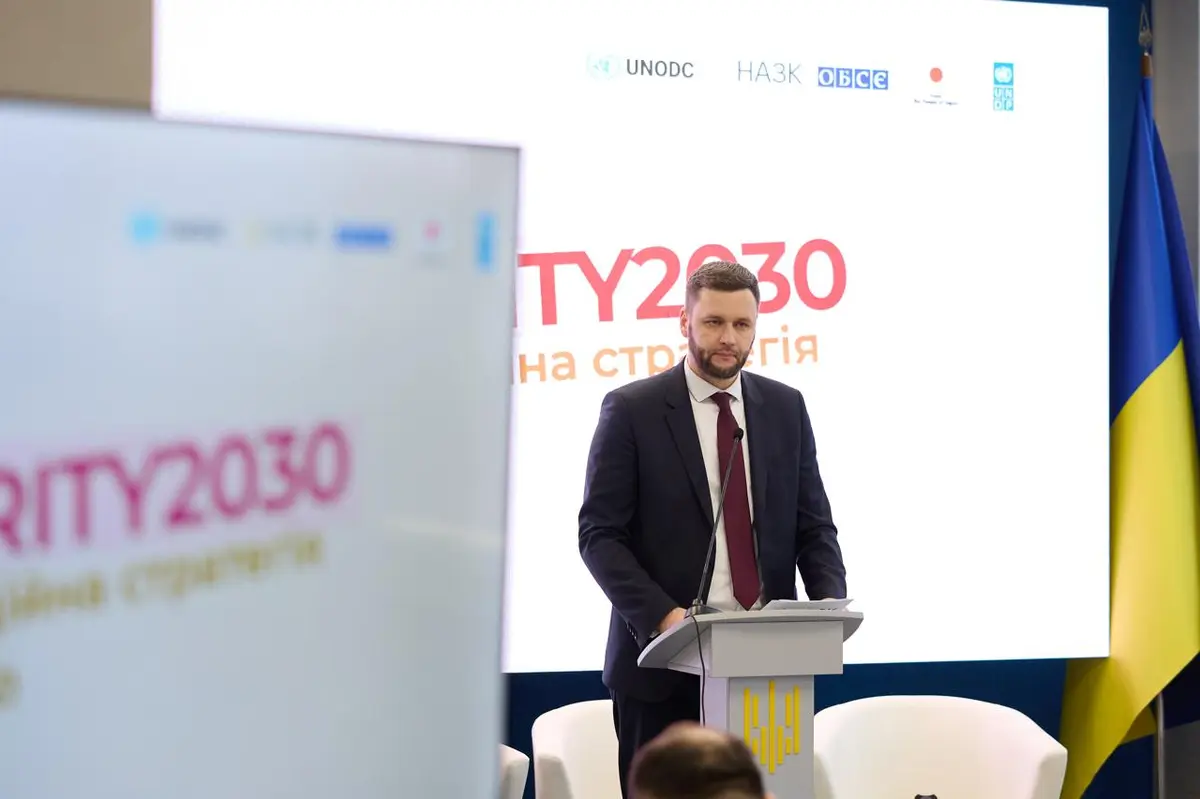
The Commission also noted progress in the implementation of new instruments, in particular the emergence of the institution of lobbying and the relevant regulation implemented by the NACP.
The NACP Head thanked key international partners for their continued support.
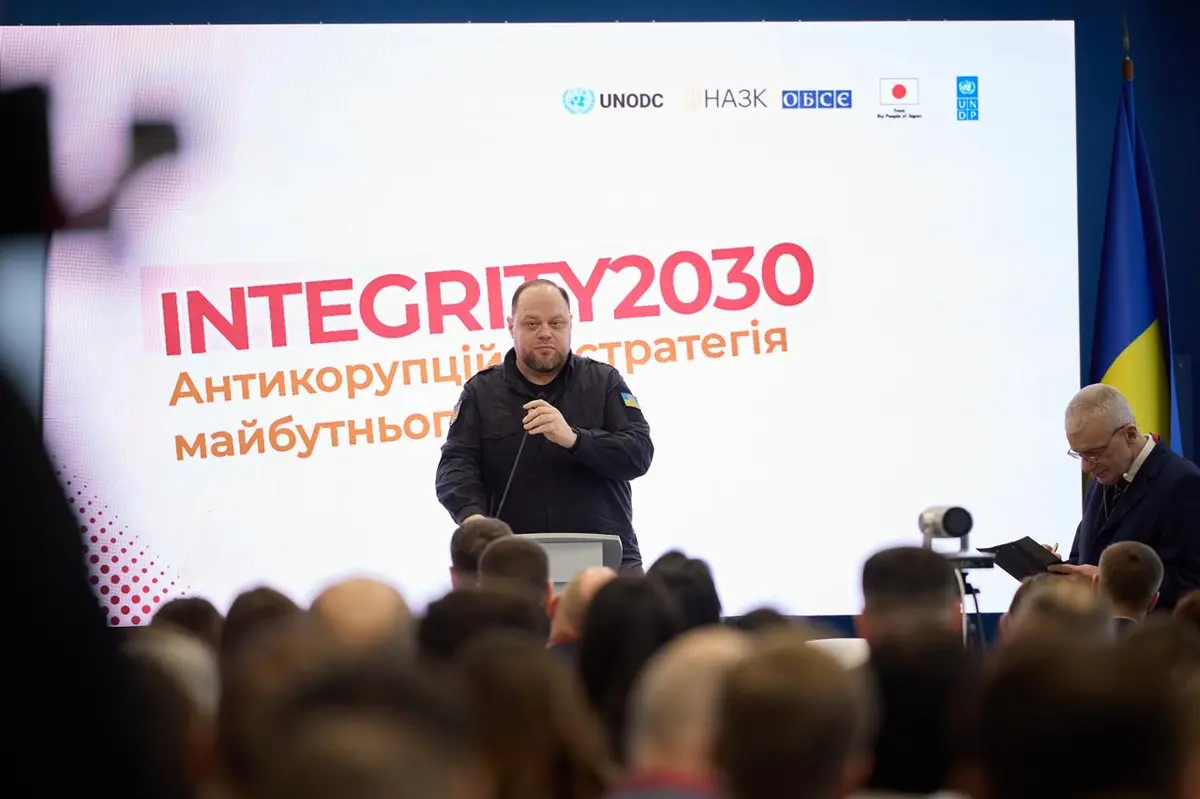
The Chairman of the Verkhovna Rada of Ukraine, Ruslan Stefanchuk, emphasised the importance of implementing the new Anti-Corruption Strategy until 2030 by all authorities, as it will determine the anti-corruption future and contribute to strengthening effective inter-institutional cooperation. It is important that the authorities, business, civil society and the media act in unison in its implementation.
‘The implementation of the Anti-Corruption Strategy requires legislative changes, in particular regarding the introduction of special checks during martial law and the improvement of procedures for recognising assets as unjustified and their confiscation as state revenue. These issues are currently being considered by Parliament,’ said Ruslan Stefanchuk.
Deputy Prime Minister for European and Euro-Atlantic Integration of Ukraine Taras Kachka stressed that the adoption of the new Anti-Corruption Strategy and State Anti-Corruption Programme is critical for the continuation of reforms already underway and the stability of institutions: ‘The previous Anti-Corruption Strategy and State Anti-Corruption Programme were extremely effective. Over the years of implementation, we have improved the internal processes of ministries and agencies, the approach to service delivery and many other procedures used by citizens and businesses. This has prevented many instances of corruption.’

UNDP Resident Representative in Ukraine Auke Lootsma stressed that building a comprehensive integrity system is key to successful recovery and highlighted the importance of the new Anti-Corruption Strategy as a long-term framework for reforms.
‘We are meeting at a time when transparency and accountability are no longer technical goals — they are prerequisites for Ukraine's stability, its recovery and its European future,’ Lootsma said. "We must build a Ukraine where corruption cannot take root and where accountability and transparency truly matter. The new Anti-Corruption Strategy is not just a document; it is a long-term commitment to protect public funds, restore trust and embed corruption prevention into the very logic of reconstruction in communities and regions implementing recovery projects," added the UNDP Resident Representative in Ukraine.
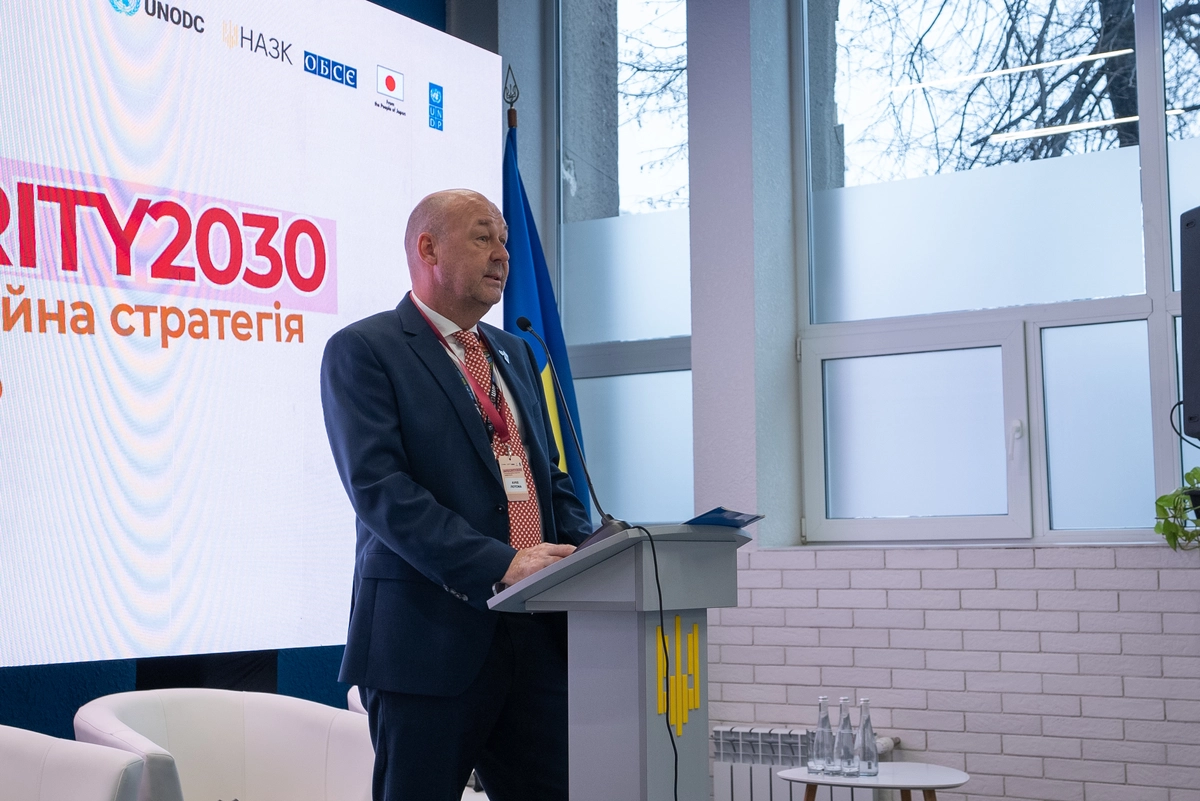
The Head of the United Nations Office on Drugs and Crime in Ukraine, Harsheth Virk, emphasised that the development of the new Anti-Corruption Strategy and the State Anti-Corruption Programme for 2026-2030 reflects a clear vision of institutional sustainability, public accountability and compliance with international standards.
‘This framework not only outlines reforms, but also expresses the national commitment to justice, stability and democratic development. It also recognises that anti-corruption efforts must evolve in line with new risks, technological changes and public expectations,’ said Harsheth Virk.
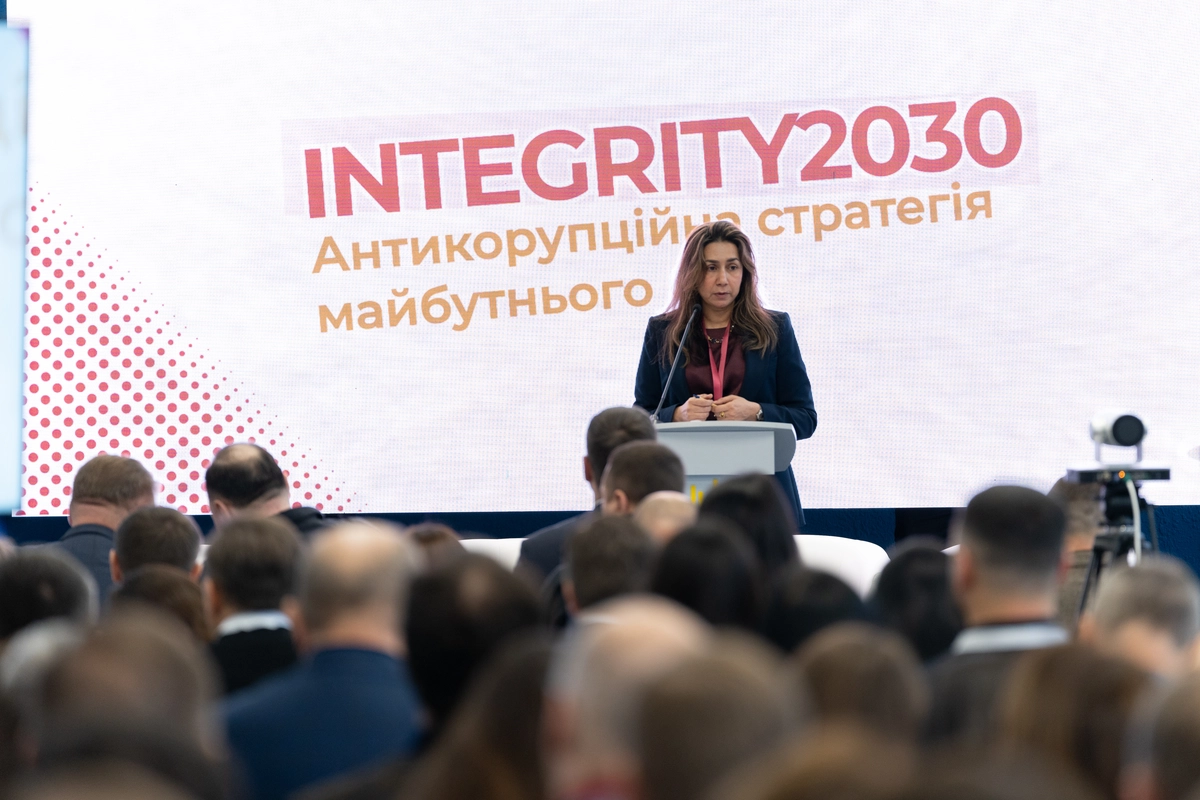
Nataliia Stupnytska, Head of the Project Department of the OSCE Support Programme in Ukraine, added: "The effectiveness of the implementation of the new Anti-Corruption Strategy and State Anti-Corruption Programme until 2030 depends on the coordination of actions and institutional capacity of the responsible institutions, and will contribute to strengthening public confidence in state institutions, as well as the continued support of our state by the international community. It is also important to involve civil society and young people in the development and implementation of anti-corruption policy."
During the first panel, participants discussed the challenges of developing anti-corruption policy in Ukraine. Speakers highlighted Ukraine's progress in implementing anti-corruption reform and stressed the importance of continuing it, in particular the implementation of the current Anti-Corruption Strategy and the development and implementation of a new one. They also noted the need to assess corruption risks, especially during reconstruction, the active participation of civil society and the importance of public control, the involvement of young people and the implementation of educational work.
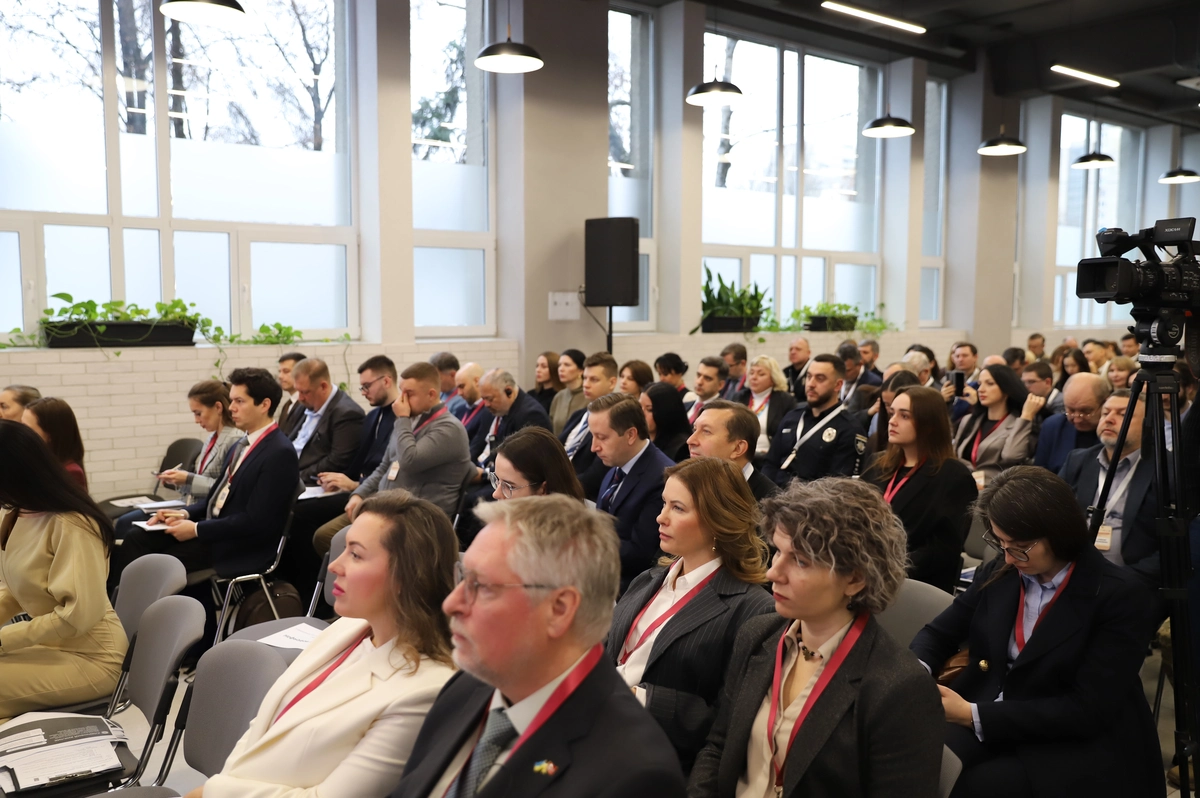
This was discussed by Drago Kos, Chair of the Istanbul Anti-Corruption Action Plan of the Anti-Corruption Network for Eastern Europe and Central Asia of the Organisation for Economic Co-operation and Development, Polina Lysenko, Deputy Director of the National Anti-Corruption Bureau of Ukraine (NABU), Juhani Grossmann, Head of the Green Corruption Programme, Senior Advisor for Central and Eastern Europe and the Head of the Green Corruption programme at the Basel Institute on Governance, Jesper Johnson, Deputy Head of the Public Integrity Department of the OECD Directorate for Public Governance, Terje Haaverstad, Public Management Expert at the Centre for Integrity in the Defence Sector at the Norwegian Ministry of Defence, Riana Andrie, Head of the NATO Comprehensive Assistance Package for Ukraine Programme.
The new Anti-Corruption Strategy and State Anti-Corruption Programme for 2026-2030 were presented during the second panel. In particular, key areas regarding the overall system of prevention and counteraction of corruption, anti-corruption education and training, conflict of interest and related rules, financial control of declarants, protection of whistleblowers, etc.
The event was organised by the NACP with the support of the United Nations Development Programme (UNDP) in Ukraine, the United Nations Office on Drugs and Crime (UNODC), funding from the Government of Japan and the OSCE Support Programme for Ukraine.
Photo: Press Service of the Verkhovna Rada of Ukraine