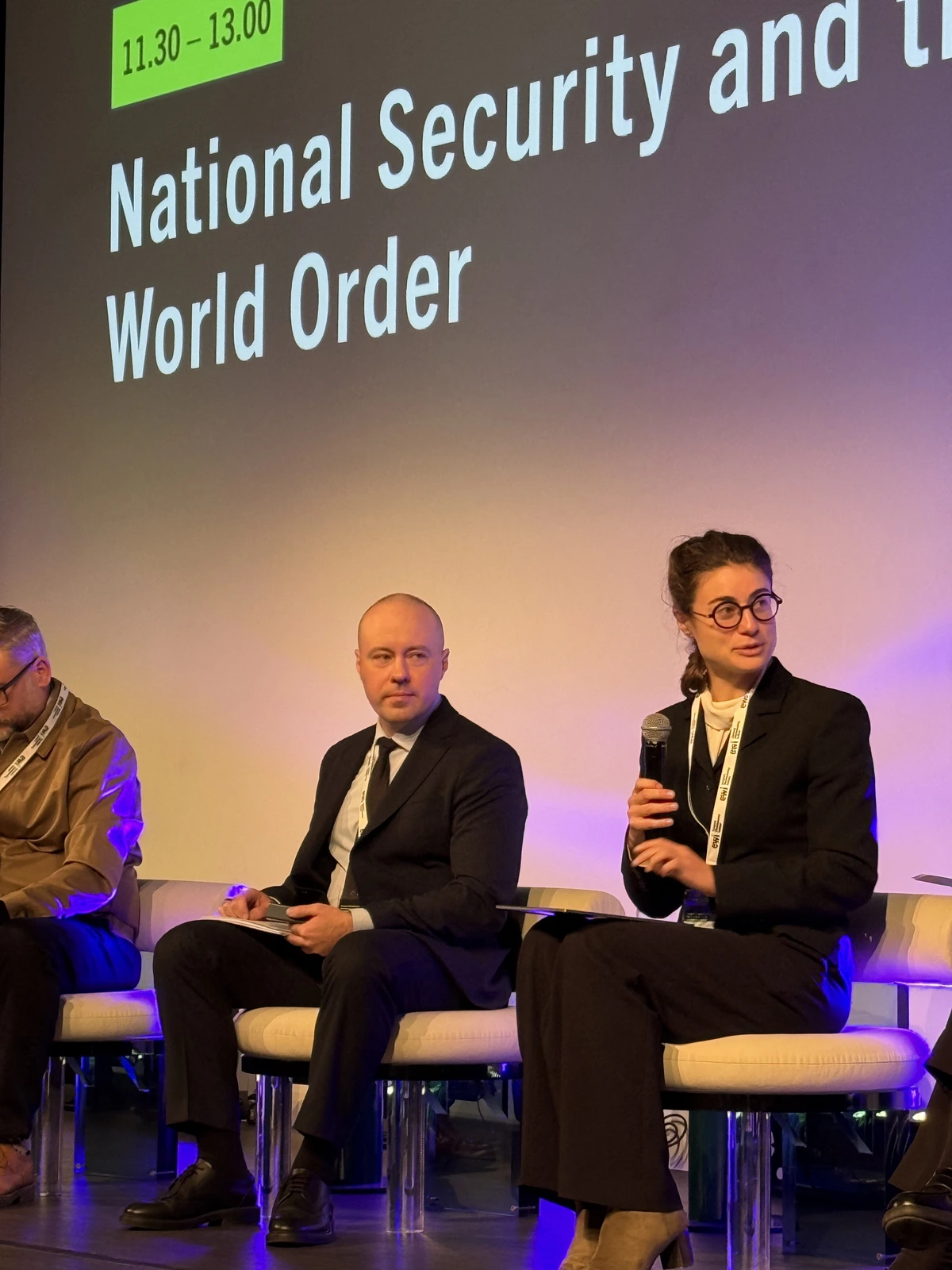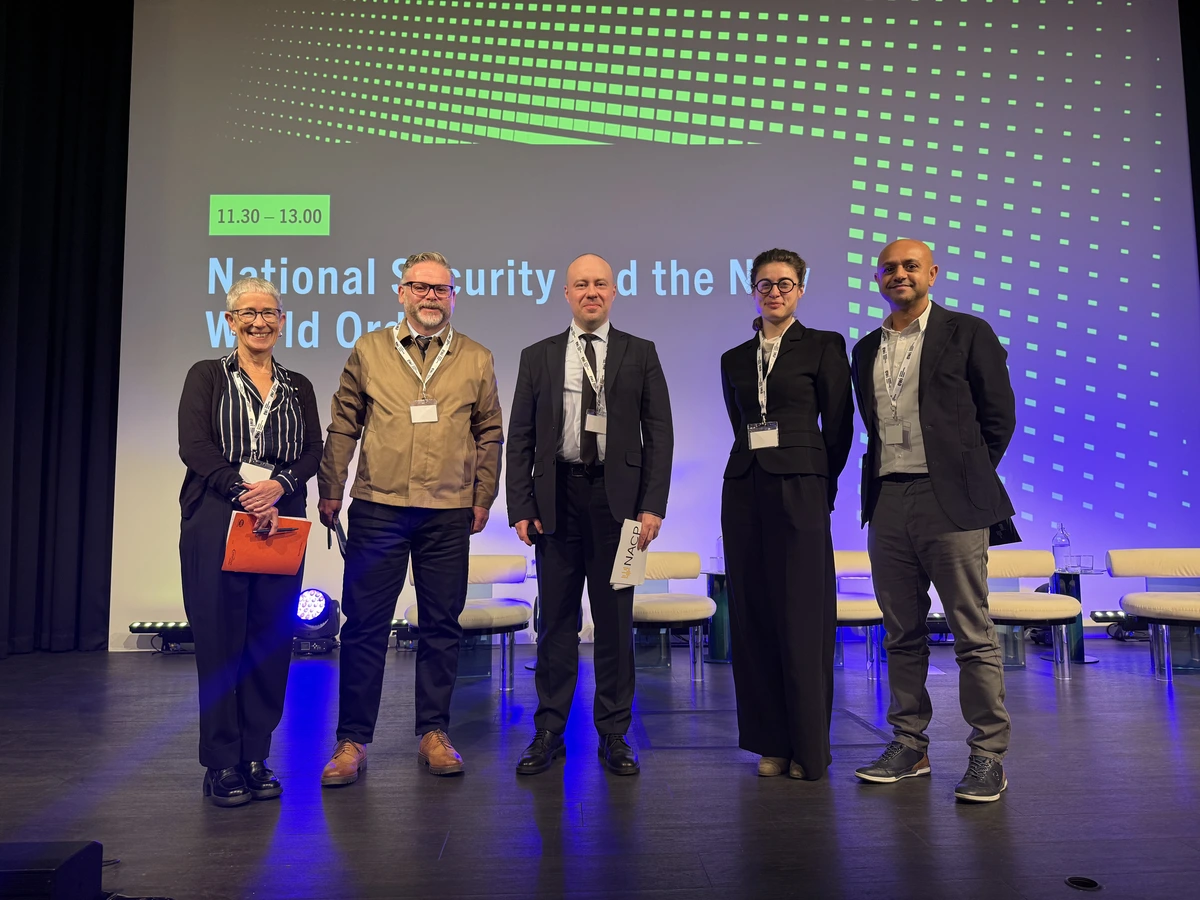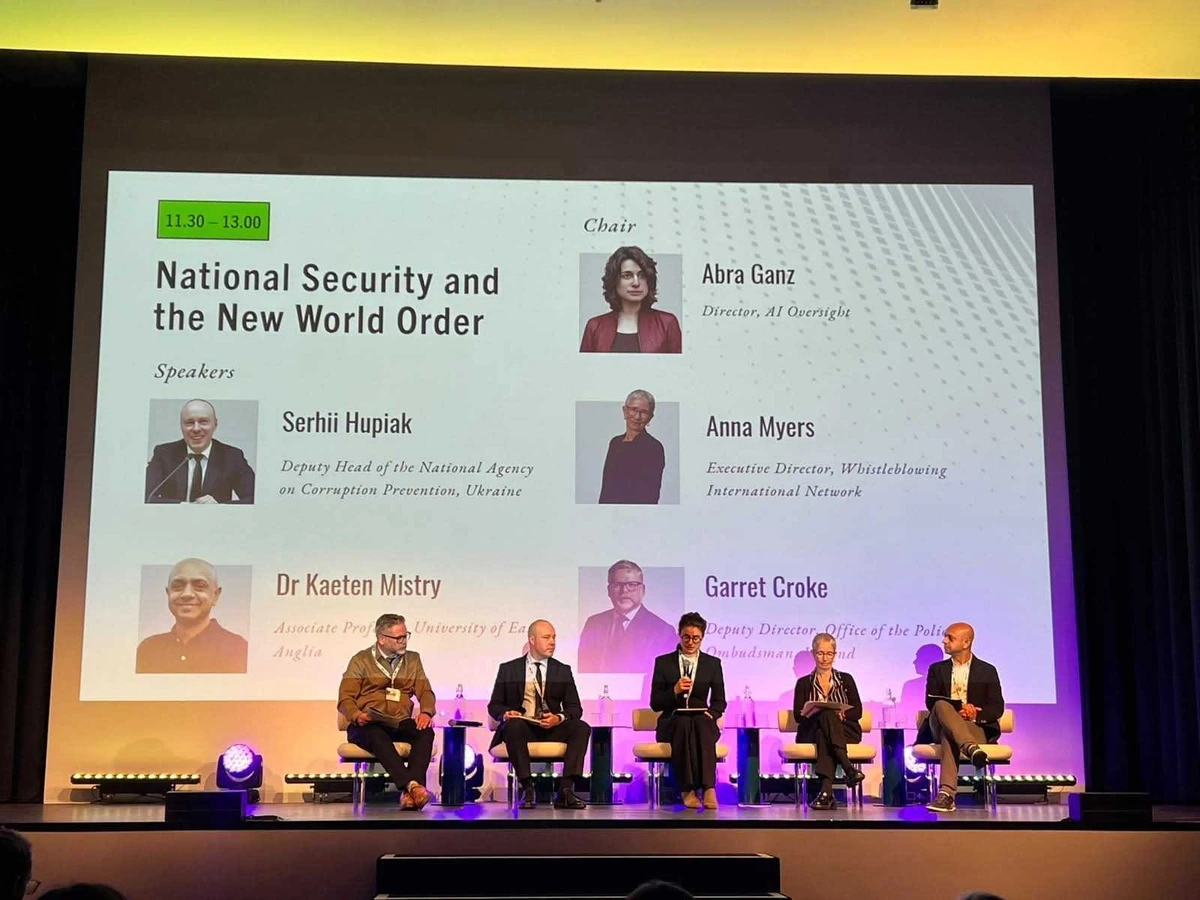
Strengthening the protection of service members who report possible corruption offenses is a key priority for developing the whistleblowing system within the security and defense sector. In execution of the State Anti-Corruption Program for 2023–2025 and OECD recommendations, the Ministry of Defence of Ukraine drafted the relevant bill with the participation of the National Agency on Corruption Prevention (NACP), whose proposals were fully incorporated. The document is currently under consideration by the Cabinet of Ministers of Ukraine. This was announced by NACP Deputy Head Serhii Hupiak during the European Whistleblowing Conference 2026, held in Brussels, Belgium.
“Ukraine’s wartime experience demonstrates how crucial it is to strike a balance between safeguarding state secrets and ensuring the ability to report violations in the security sphere. Sensitive information requires absolute protection, but this must not serve as a pretext for covering up abuses. Service members must have a genuine opportunity to report corruption through accessible channels—either through authorized internal units or directly to the NACP, NABU, the National Police, or the Prosecutor’s Office. Our duty is to guarantee the applicants' safety from retaliation, an impartial verification of information, and an appropriate response. This is an essential condition for strengthening trust in institutions and bolstering the state’s defense capabilities,” Serhii Hupiak emphasized.
He stressed that timely reporting on the abuse of power or the misappropriation of resources directly strengthens the military. At the same time, professional solidarity within units can deter service members from coming forward. For this reason, it is vital to foster a culture where whistleblowing is perceived as a manifestation of responsibility to the state, rather than a breach of the chain of command or camaraderie.
Conference participants noted that while digital tools form an important foundation for the whistleblowing system, they do not guarantee its effectiveness on their own without clear data-processing regulations and safeguards for applicants' rights. A practical example of scaling such solutions in Ukraine is the Whistleblower Reporting Portal, launched by the NACP in September 2023. The portal allows individuals to report corruption safely and, if necessary, anonymously, as well as to monitor the progress of investigations. As of October 2026, more than 12,200 organizations have been connected to the portal.
“Developing the whistleblowing institution requires a comprehensive approach. We operate according to a specific formula in the realm of whistleblowing: communicating with society, enforcing legislation and developing quality amendments to it, enhancing the professional knowledge of those who review corruption reports, digitizing relevant processes, as well as developing and improving the practice of protecting whistleblowers' rights. We are working across all these areas simultaneously; however, without qualitative legislative changes, significant progress is difficult to achieve. That is why it is critically important for Parliament to support the relevant legislative initiatives, a number of which are already under its consideration,” Serhii Hupiak noted.
Among other topics of discussion, participants focused on the following issues: reporting in the field of state secrets and defense activities, developing special procedures and security policies that minimize risks for both the applicants themselves and national security, as well as the challenges posed by the use of artificial intelligence.
Background The European Whistleblowing Conference is an international professional conference dedicated to developing the whistleblowing institution, protecting individuals who report potential violations, and sharing experience among representatives of state bodies, international organizations, civil society, and the expert community. The event provides a platform for discussing legislative and practical whistleblower protection mechanisms, ensuring confidentiality, responding effectively to reports, and fostering a culture of integrity and accountability within public and private institutions.