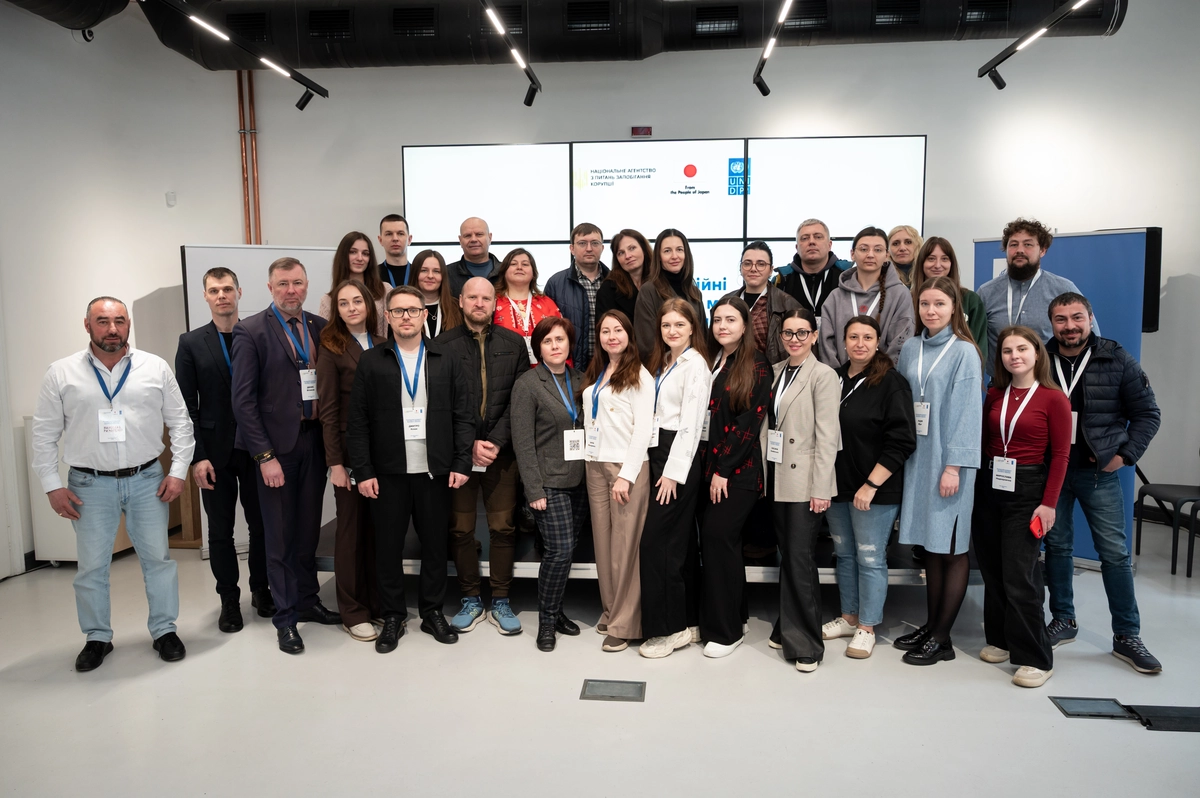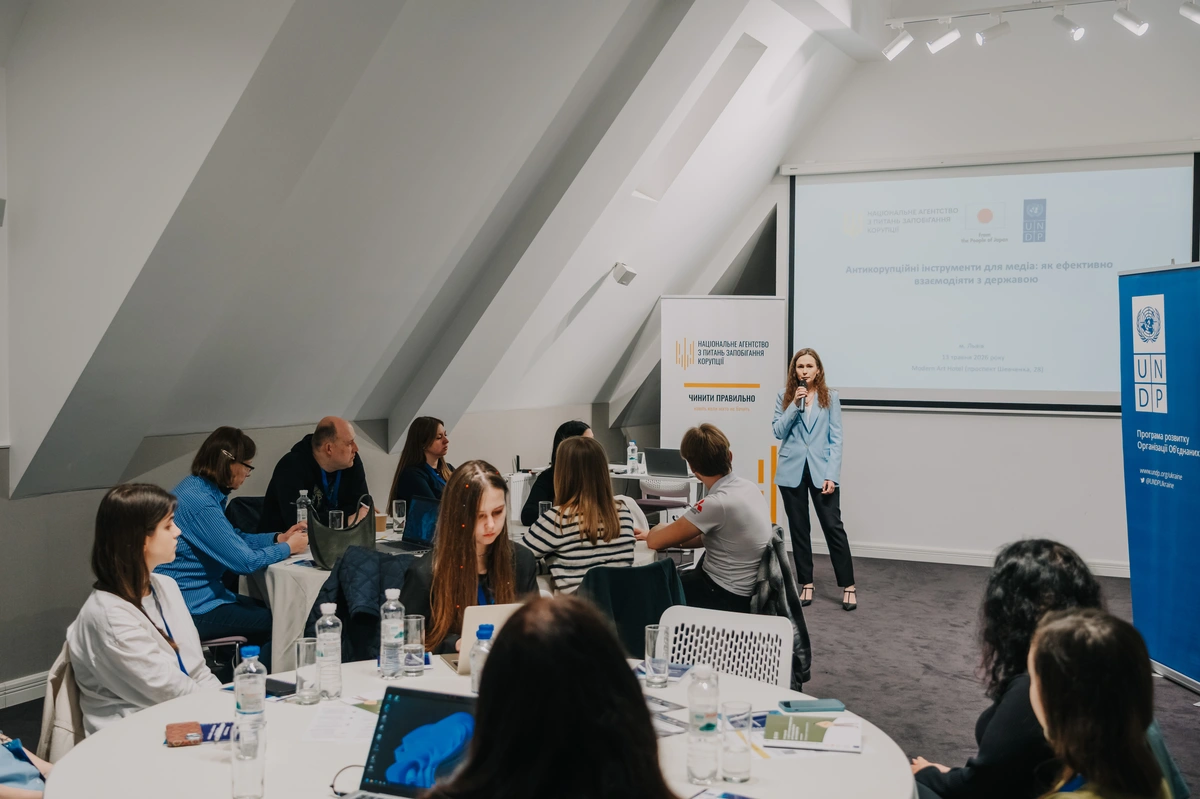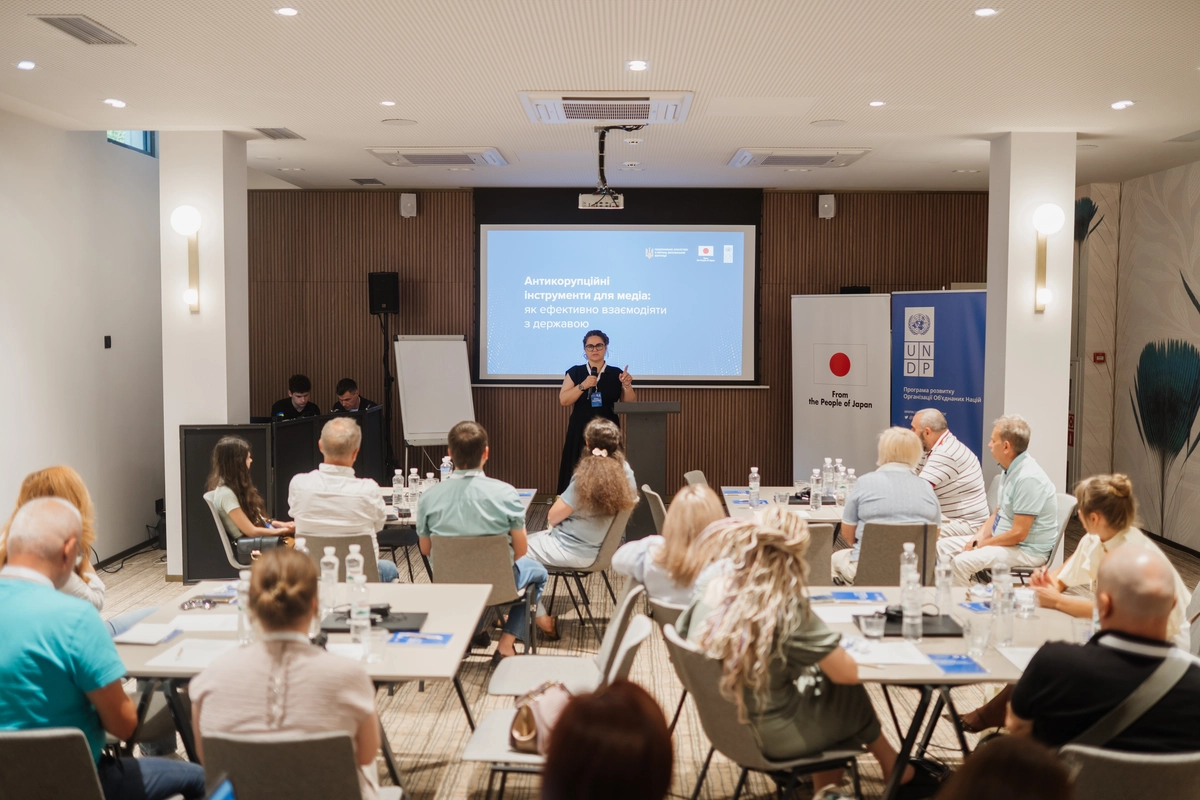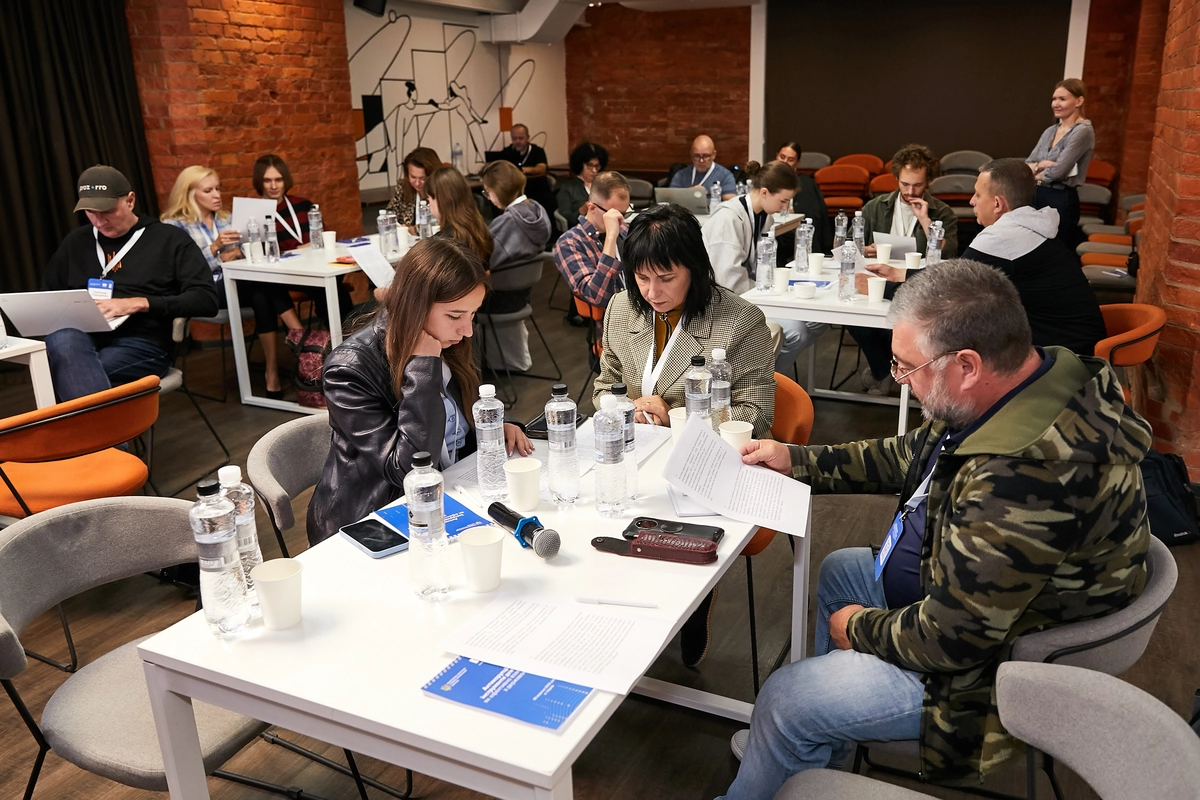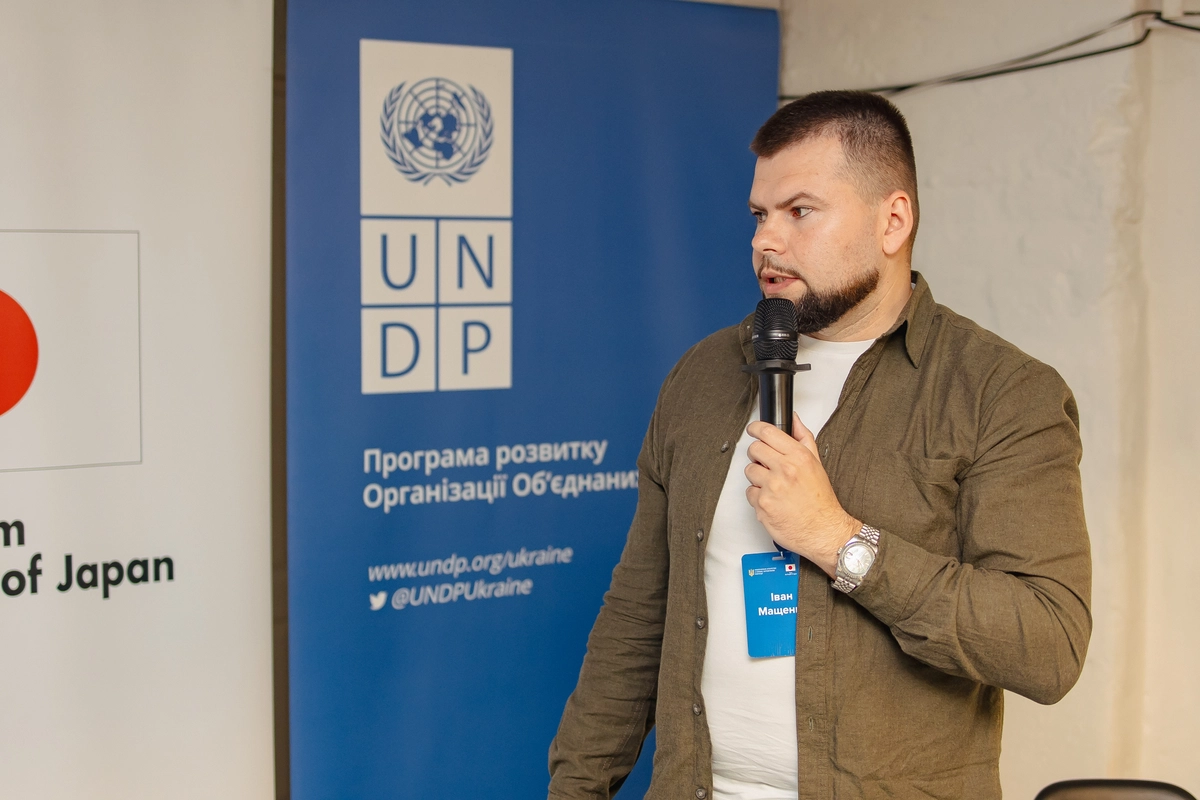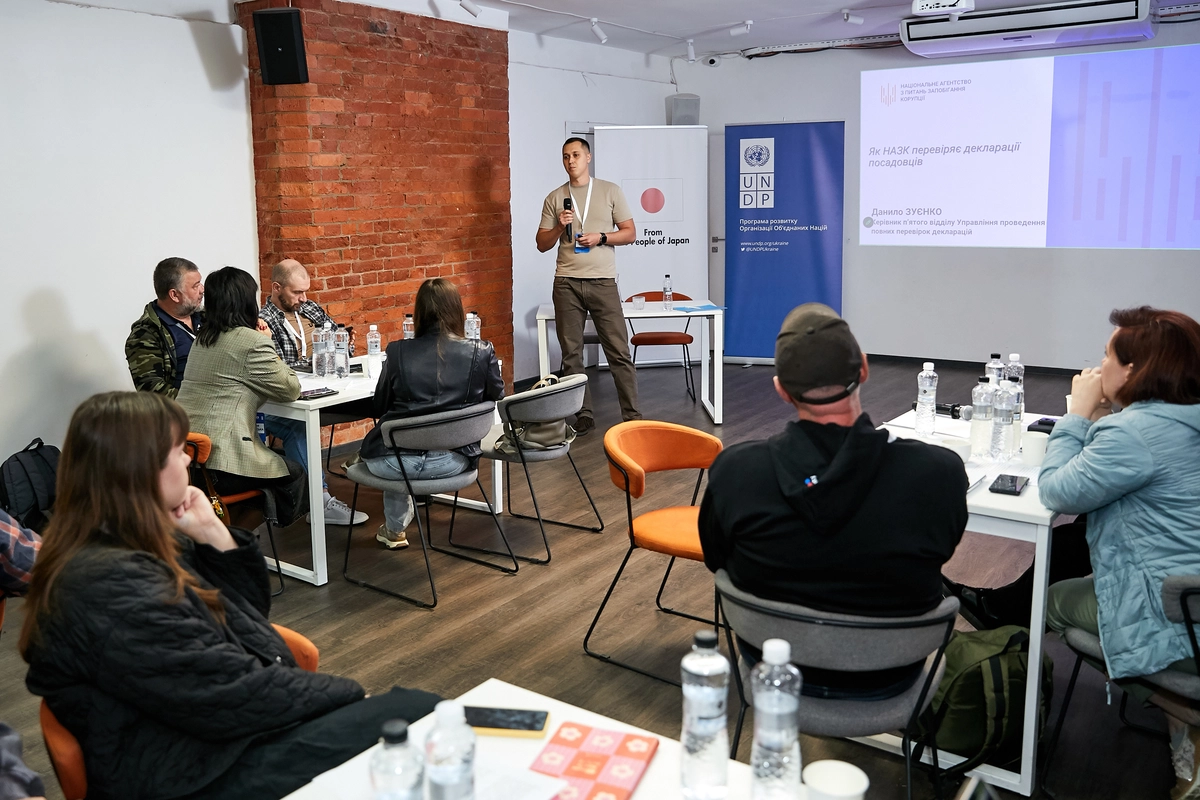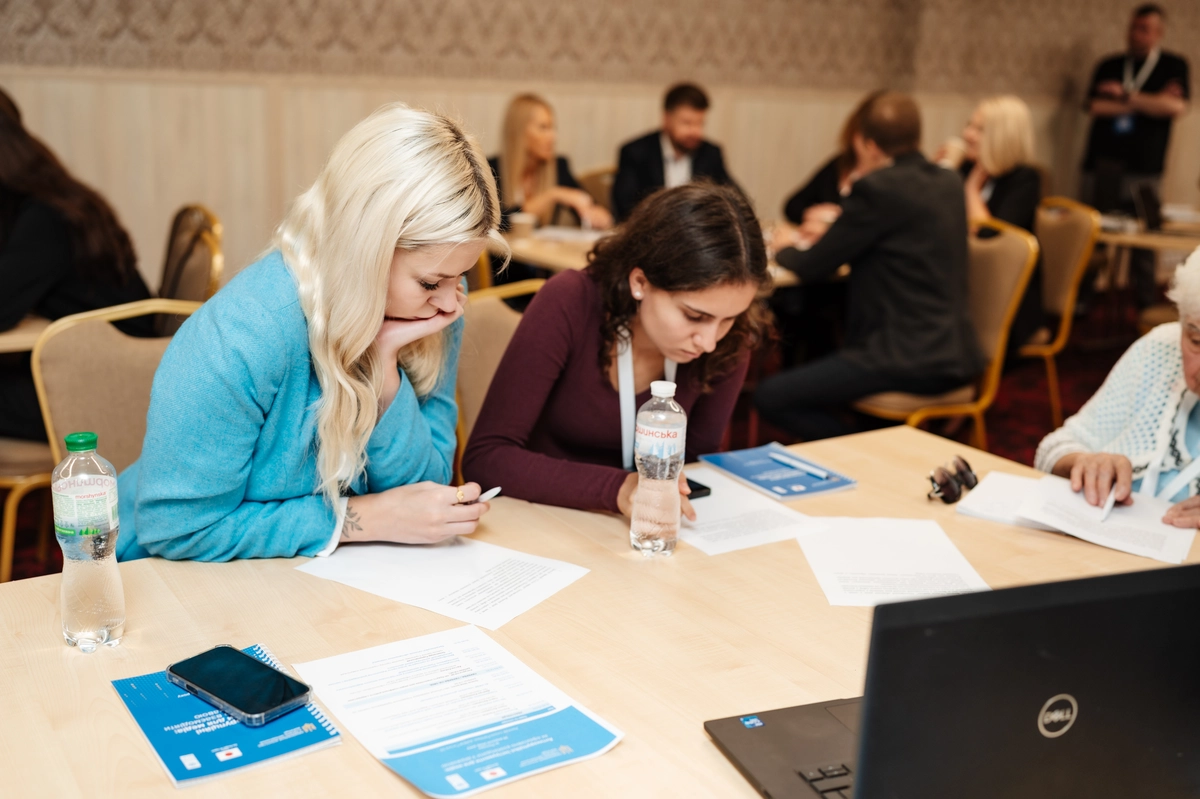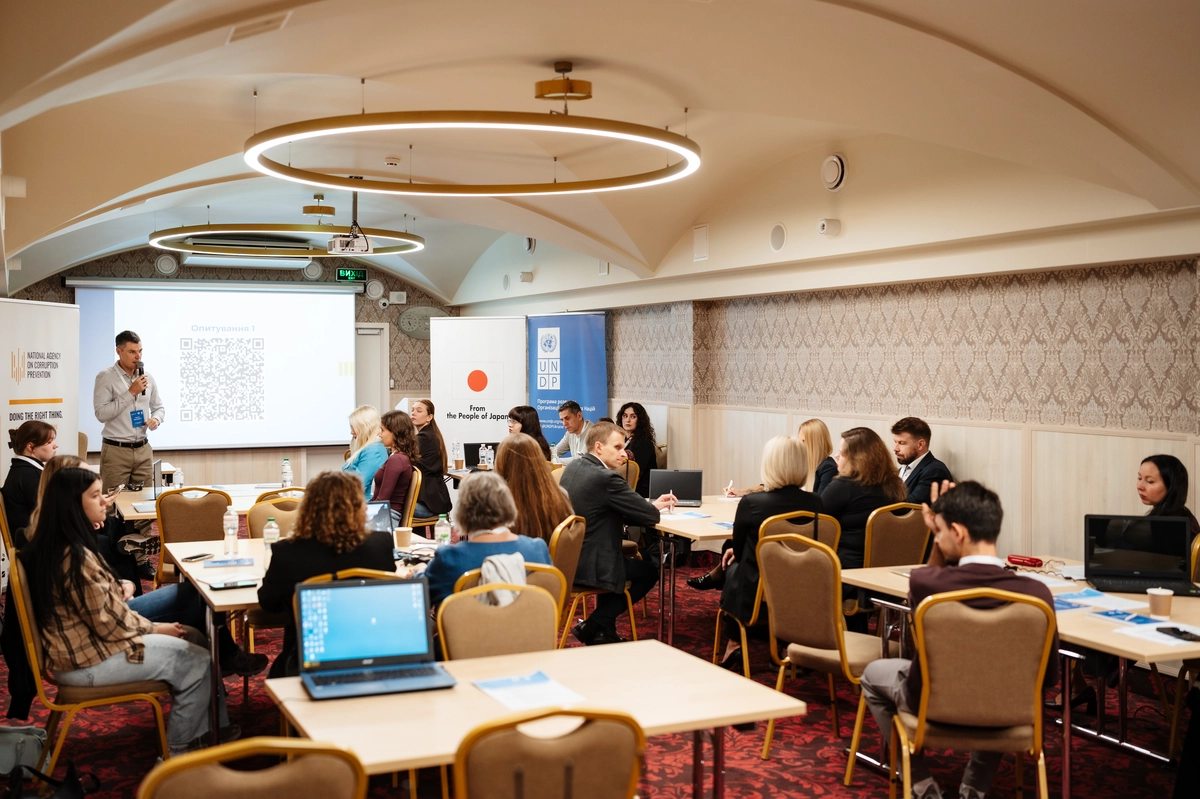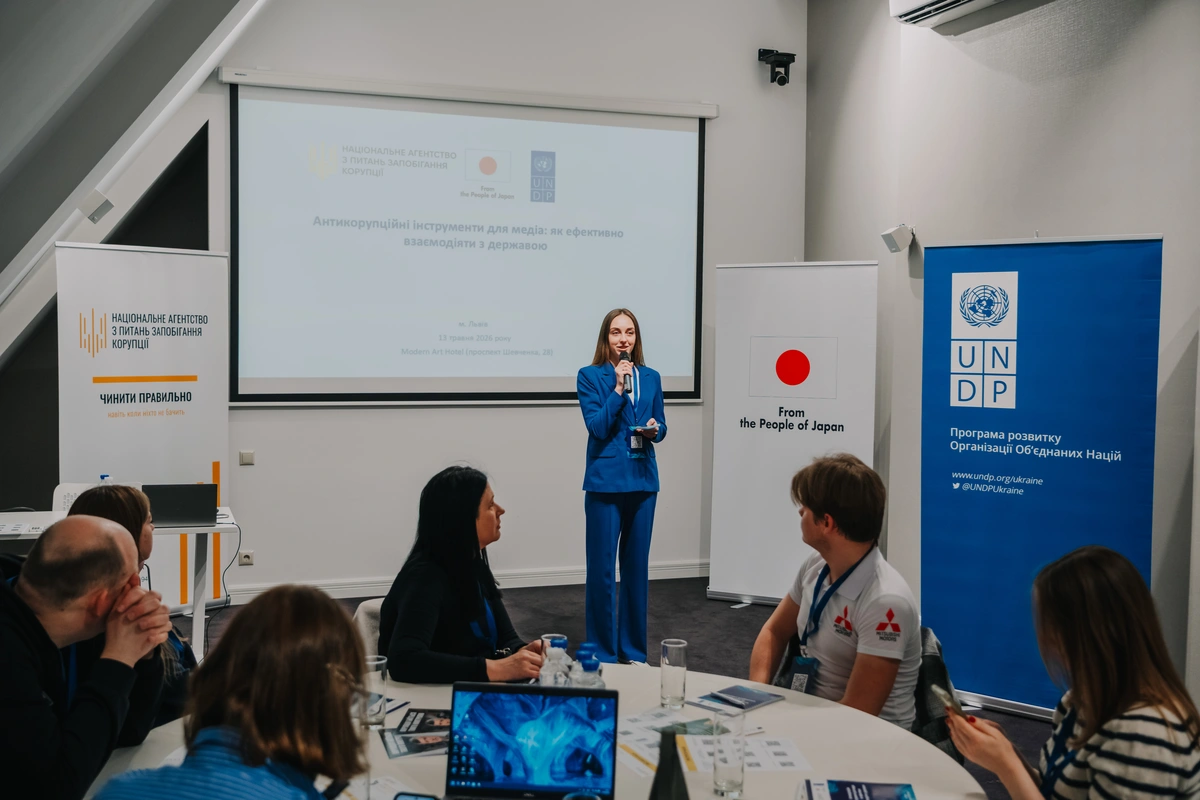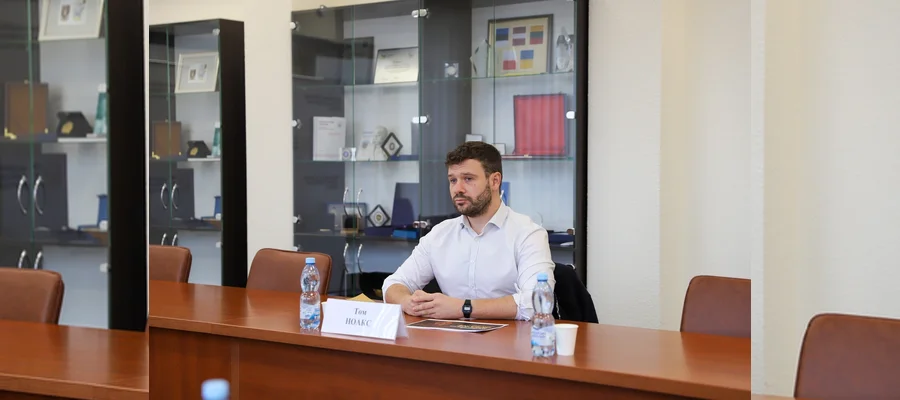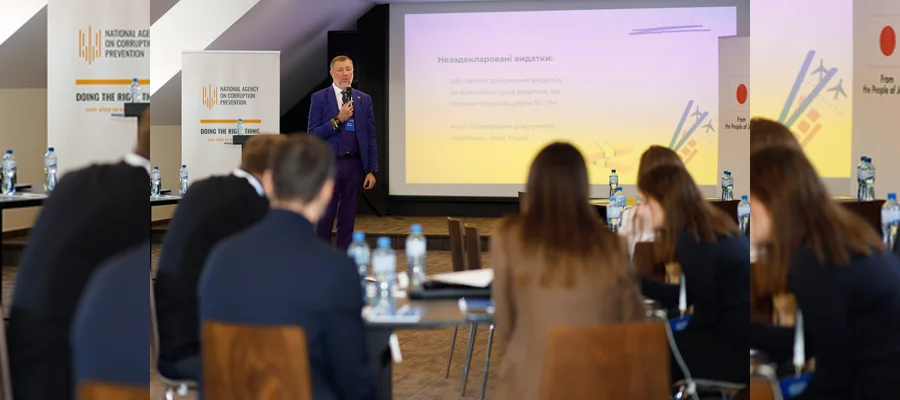
The National Agency on Corruption Prevention (NACP), with the support of the United Nations Development Programme (UNDP) in Ukraine and the Government of Japan, has completed a series of practical training workshops titled “Anti-Corruption Tools for Media: How to Effectively Interact with the State” for regional journalists and civil society activists. The training sessions aimed to strengthen cooperation between journalists and the NACP by improving their understanding of existing mechanisms for reporting corruption and the Agency's response to anti-corruption media reports.
From March to October 2026, the NACP team, together with its partners, conducted eight training workshops in eight Ukrainian cities: Cherkasy, Ivano-Frankivsk, Lviv, Dnipro, Odesa, Kharkiv, Poltava, and Uzhhorod. The workshops brought together journalists from leading regional media outlets with experience in covering corruption cases and exposing corruption through investigative journalism. Representatives of civil society organisations familiar with pressing local issues also participated. In total, around 200 people attended the training sessions.
Each training programme covered key topics, including identifying corruption, determining the investigative jurisdiction and powers of anti-corruption bodies, requirements for reporting corruption, the capabilities of full verification of declarations and lifestyle monitoring, and the use of the NACP's digital resources. Through practical examples, participants learned to distinguish corruption offences from other forms of misconduct, determine which authority — the National Anti-Corruption Bureau of Ukraine (NABU), the National Police of Ukraine, the State Bureau of Investigation (SBI), or the NACP — should be contacted in specific cases, and identify what information must be included in a corruption report.
For each area of the Agency's work, NACP experts and media professionals examined specific simulated scenarios in detail, analysed case studies, and completed interactive exercises. They also reviewed examples of journalistic reports that had served as the basis for official response measures.
Particular attention during the training sessions was paid to data verification and countering disinformation, as fact-checking has become an essential part of responsible journalism. These topics were covered by Oleksandr Horokhovskyi and Iryna Subota, analysts at the Centre for Strategic Communications and trainers at the Stratcom School.
The NACP will maintain regular communication with all participants in the training events to facilitate further information exchange and practical cooperation in preventing and countering corruption. In addition, based on the outcomes of the regional workshops, NACP experts, together with their partners, are developing practical recommendations on the use of anti-corruption tools for journalists and civil society activists. These recommendations will be presented soon.