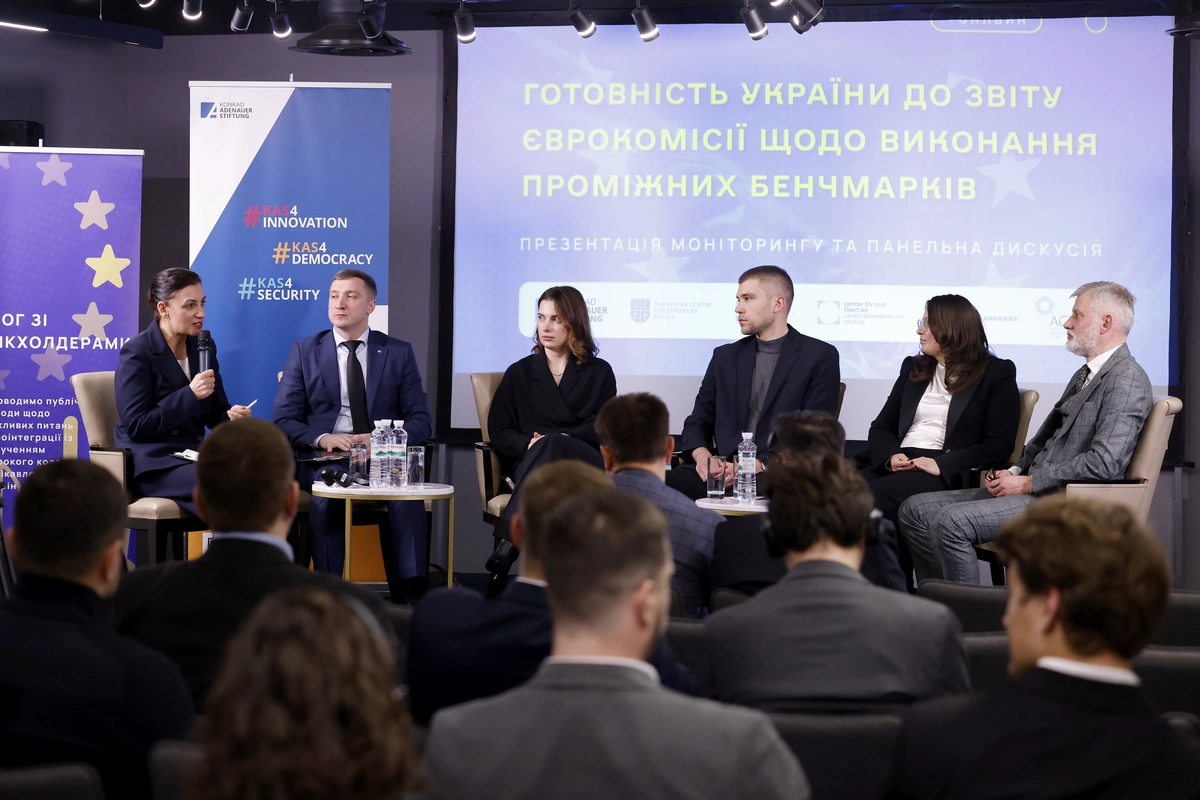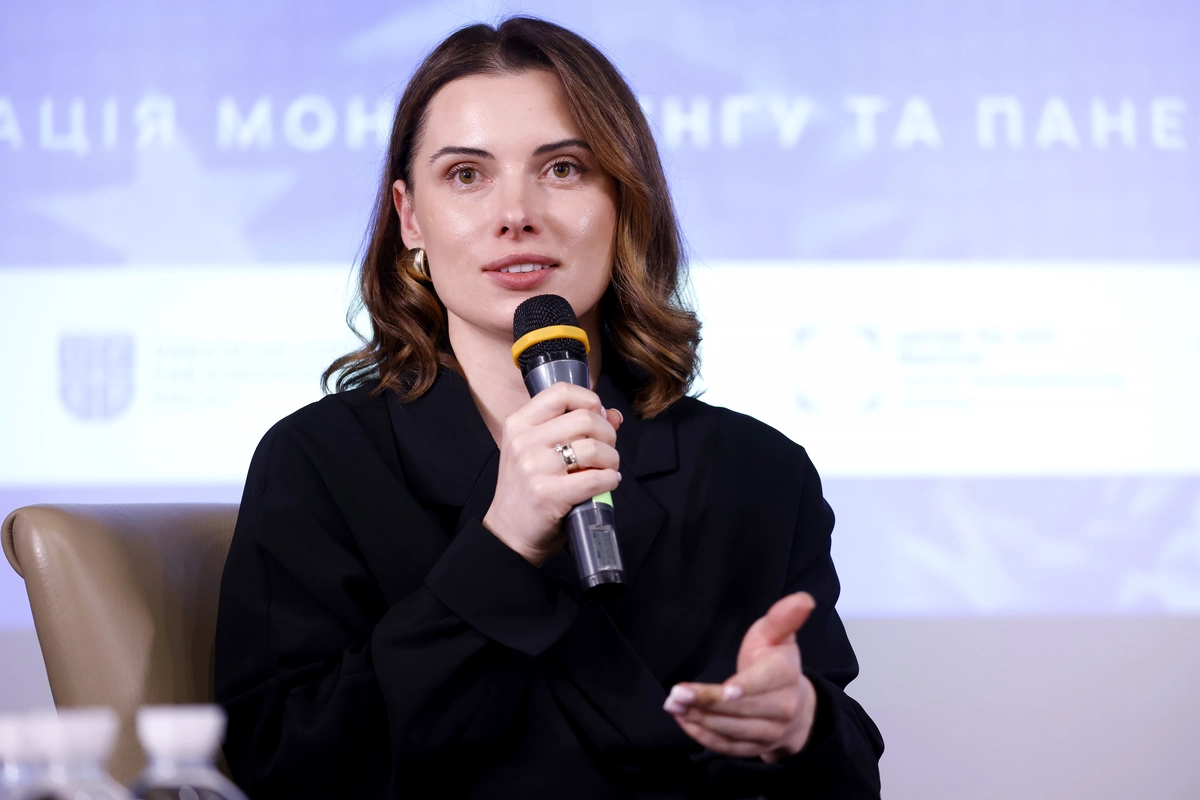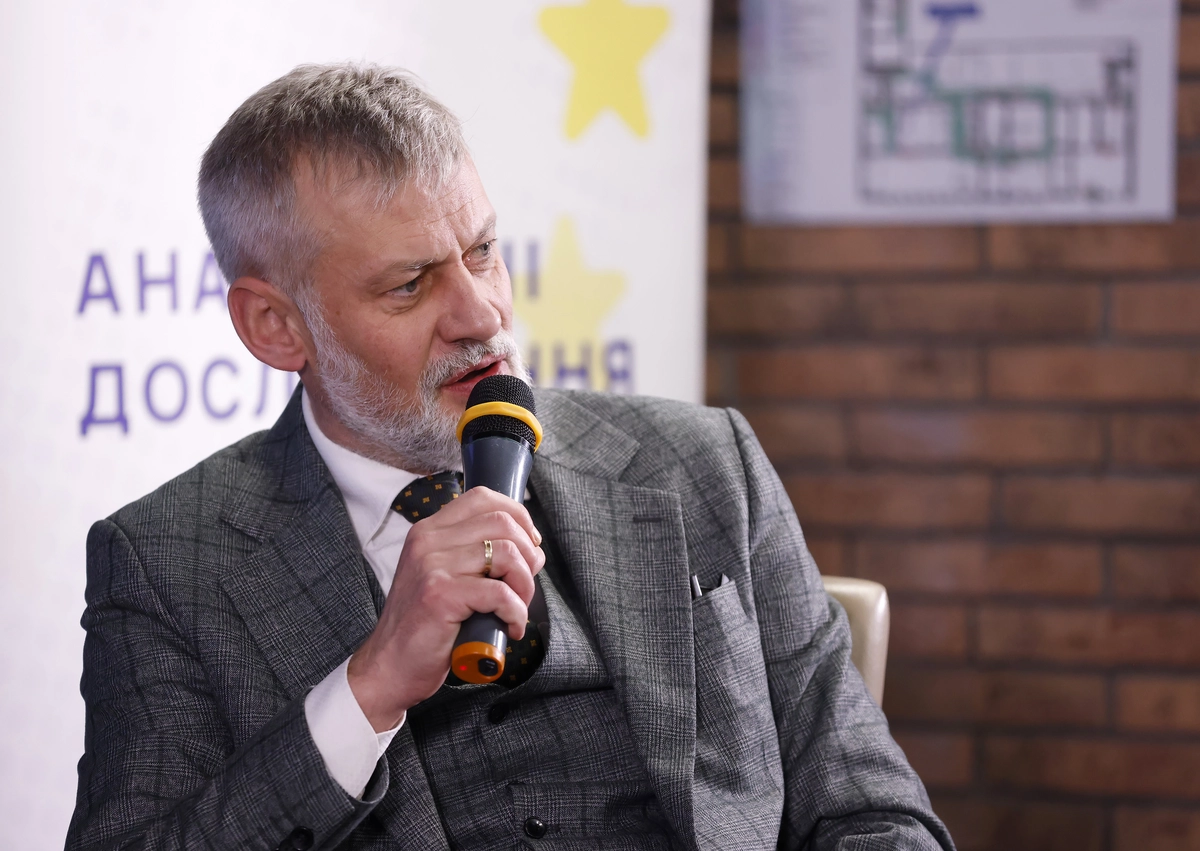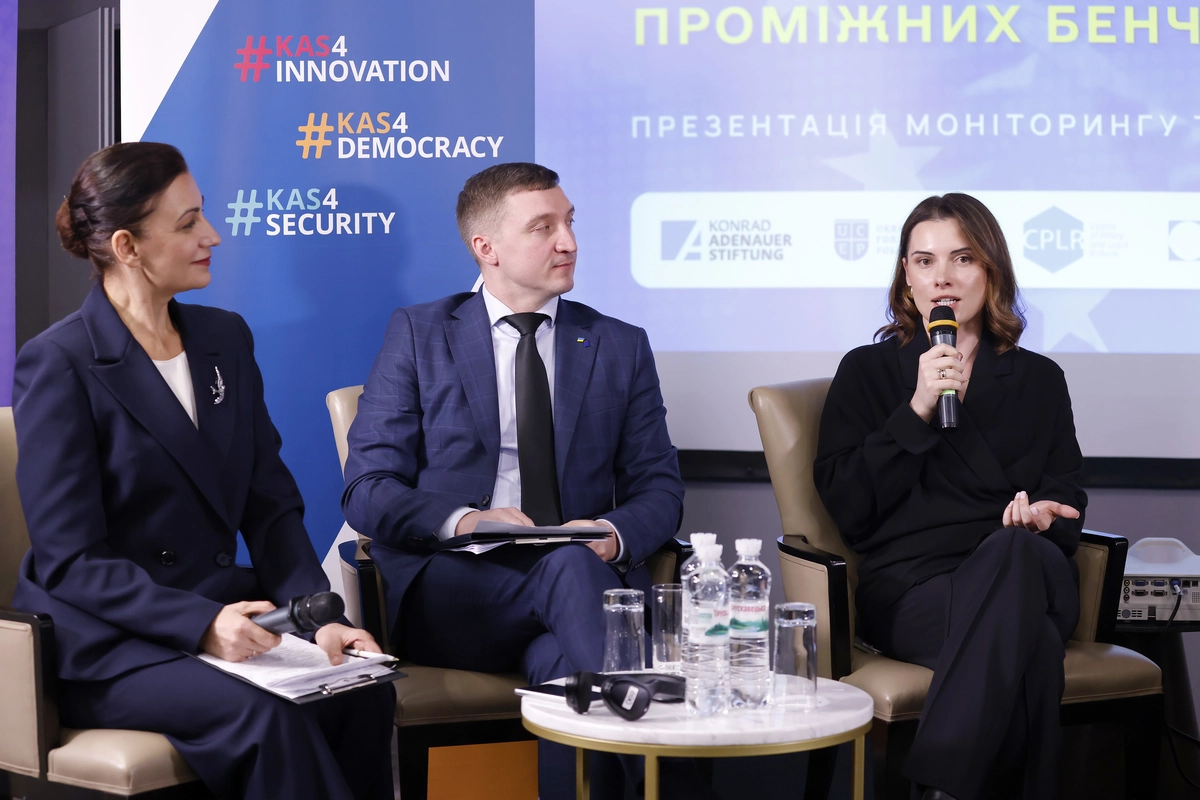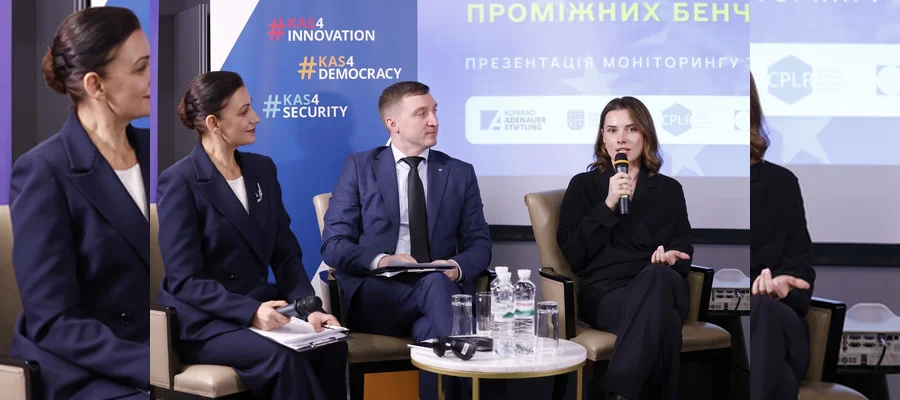
Ukraine has met 29.1% of the European Union's interim benchmarks in the fight against corruption. This is the highest rate among all areas covered by the independent civil society monitoring report “EU interim benchmarks: Ukraine's progress under Chapters 23 and 24”, presented on 3 November by the Ukrainian Centre for European Policy (UCEP).
This result reflects years of efforts to develop Ukraine's anti-corruption system and bring it closer to European standards. At the same time, as Dmytro Kalmykov, Deputy Head of the National Agency on Corruption Prevention (NACP), emphasised during the public discussion of the monitoring findings, the progress achieved should serve as a foundation for accelerating further reforms.
“29.1% is the highest rate among the areas assessed, and this is undoubtedly a positive result. However, it is important to understand that a significant amount of work still lies ahead. More than half of the measures in the fight against corruption require legislative amendments to enter into force. Developing a high-quality draft law and registering it with the Verkhovna Rada is not enough. Parliamentary support and the subsequent practical implementation of adopted decisions are also essential,” said Dmytro Kalmykov.
The NACP is consistently working to establish the legislative framework necessary to meet the EU interim benchmarks as part of the accession negotiation process. In particular, in July 2026, together with the relevant parliamentary committee, the Agency developed a revised draft Anti-Corruption Strategy (the Strategy) for 2026–2030 (Draft Law No. 15230-d). The document incorporates provisions from three alternative draft laws and recommendations from European partners. The European Commission positively assessed the revised draft and, in its official communications, called on the Verkhovna Rada of Ukraine (VRU) to adopt it in the first reading as soon as possible. The draft has also received support from several civil society organisations, while the relevant parliamentary committee recommended its adoption in the first reading. The NACP expects Parliament to consider the document without delay.
Another important priority is ensuring the effectiveness of judicial proceedings in corruption cases. The NACP has developed Draft Law No. 16043, which aims to improve the procedures for the High Anti-Corruption Court (HACC) to consider cases concerning the recognition of assets as unjustified and their recovery to the state, as well as cases involving the application of sanctions. The draft law has received support from the relevant parliamentary committee.
Together with experts from the Ministry of Justice, the Supreme Court, the National Anti-Corruption Bureau of Ukraine (NABU), the Specialized Anti-Corruption Prosecutor's Office (SAPO), the HACC and other institutions, the NACP developed Draft Law No. 16152 on the inadmissibility of abuse of procedural rights in criminal proceedings. The draft law was also approved by the relevant VRU committee.
In addition, the Agency developed a draft law aimed at improving the procedure for bringing individuals to administrative liability for corruption-related offences. The document has already been approved by the relevant government committee.
Key priorities for the coming period include:
-
Completing, jointly with the Ministry of Justice, an analysis of the new EU Directive on combating corruption and preparing proposals for transposing its provisions into national legislation;
-
Improving statistical reporting on pre-trial investigations, court proceedings and the enforcement of final court decisions in corruption cases;
-
Preparing legislative amendments concerning conflicts of interest and financial control, particularly regarding the categories of persons subject to declaration requirements, the scope of declarations and the reporting of cash holdings;
-
Strengthening interagency cooperation and expanding access to foreign data to improve the effectiveness of declaration verification.
“Our primary task is to establish sustainable mechanisms that will ensure effective corruption prevention in practice. This requires coordinated efforts by state institutions, a high-quality legislative framework and the proper implementation of adopted decisions,” Dmytro Kalmykov emphasised.
The discussion was also attended by representatives of the Office of the Deputy Prime Minister for European and Euro-Atlantic Integration, the High Council of Justice, the High Qualification Commission of Judges of Ukraine, the Specialized Anti-Corruption Prosecutor's Office, the Ministry of Internal Affairs, the Asset Recovery and Management Agency (ARMA), the State Border Guard Service of Ukraine and the Security Service of Ukraine. The monitoring initiative and the event were organised by UCEP, the Centre of Policy and Legal Reform, the International Renaissance Foundation, the Centre for Civil Liberties and the Anti-Corruption Research and Education Centre (ACREC), with the support of the Konrad Adenauer Foundation's Office in Ukraine.
For reference
Ukraine's EU accession negotiations are structured around six thematic clusters comprising 33 negotiating chapters. In June 2026, Ukraine and the EU opened Cluster 1, “Fundamentals”, the first cluster in the negotiation process. It covers key areas of state reform, including the rule of law, judicial reform, the fight against corruption, the protection of fundamental rights, public administration reform, as well as public procurement, statistics and financial control. The cluster includes five negotiating chapters, including Chapter 23, “Judiciary and Fundamental Rights”, and Chapter 24, “Justice, Freedom and Security”.
A distinctive feature of Cluster 1 is that it is opened first and closed last. Progress under this cluster is decisive for the overall pace of Ukraine's EU accession negotiations. For Chapters 23 and 24, the European Union has established interim benchmarks — specific conditions and outcomes that Ukraine must achieve before the relevant negotiating chapters can be provisionally closed.
As of October 2026, Ukraine and the EU had opened negotiations on four of the six clusters: Cluster 1 (“Fundamentals”), Cluster 2 (“Internal Market”), Cluster 3 (“Competitiveness and Inclusive Growth”) and Cluster 6 (“External Relations”).
The independent civil society monitoring report “EU interim benchmarks: Ukraine's progress under Chapters 23 and 24” was prepared by the Ukrainian Centre for European Policy. According to its findings, Ukraine's overall level of progress in meeting the interim benchmarks across the two negotiating chapters stands at 20.9%: 20.3% under Chapter 23 and 21.4% under Chapter 24. Alongside the fight against corruption (29.1%), the highest rates were recorded in the areas of cooperation on drugs (25%) and the fight against organised crime (24.9%). The monitoring represents an independent expert assessment of Ukraine's progress and does not replace the European Commission's official assessment.