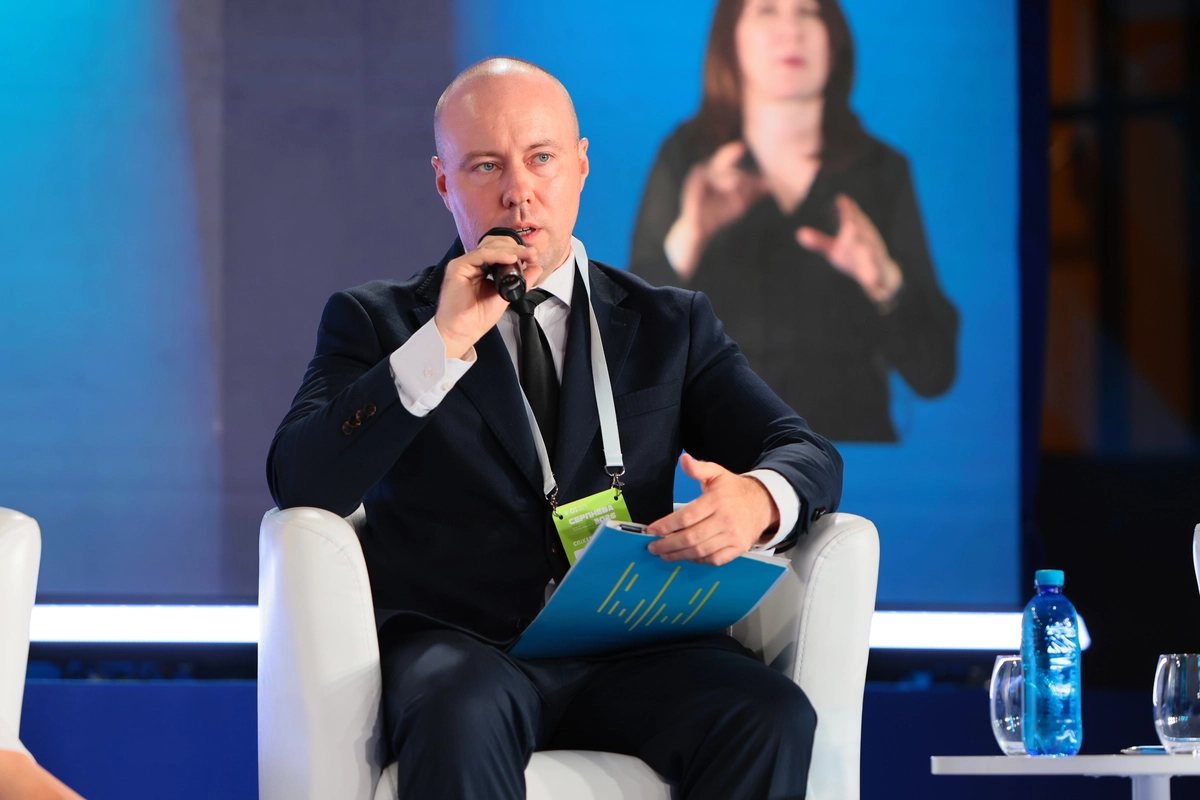

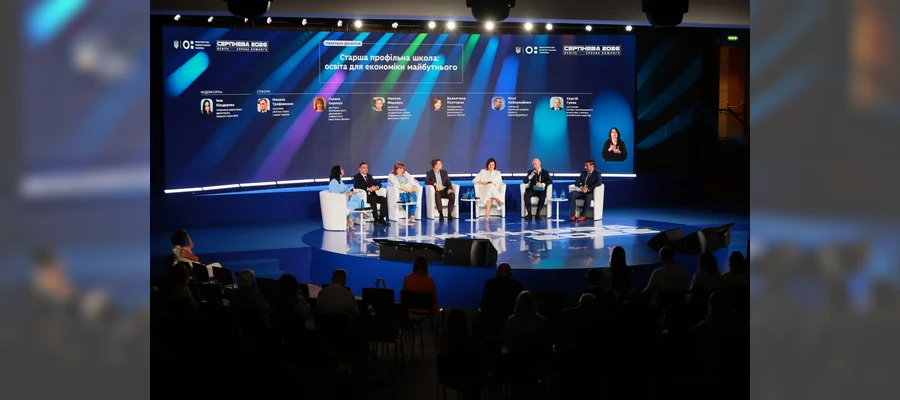
The sustainability of anti-corruption reforms depends not only on laws and institutions, but also on people’s attitudes towards the rules. It is therefore important to foster a culture of integrity from school age onwards. This was emphasised by Serhii Hupiak, Deputy Head of the National Agency on Corruption Prevention (NACP), during the annual national education conference ‘Serpneva-2026’, which brought together over 700 participants.
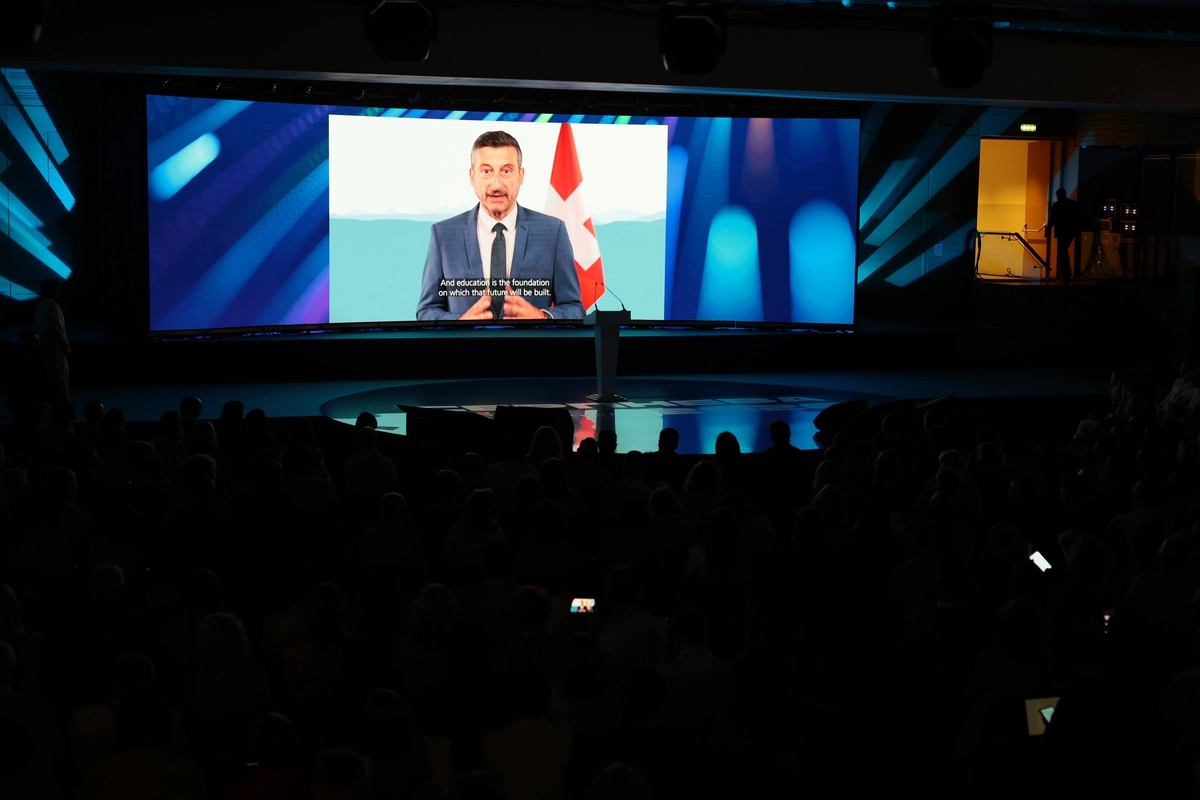
The conference was held under the slogan ‘Education is everyone’s business’. Discussions centred on the development of pre-school education, the results of eight years of the New Ukrainian School initiative, the introduction of senior specialised schools, and the transformation of vocational and pre-higher education. Also taking part in the event were the First Lady of Ukraine, Olena Zelenska; the Prime Minister of Ukraine, Serhii Koretskyi; the Minister of Education and Science of Ukraine, Andrii Butenko; the Swiss Federal Council’s delegate for Ukraine, Jacques Gerber; the Head of the UNICEF Office in Ukraine, Anne-Claire Dufay, and the World Bank’s Operations Manager for Eastern Europe, Kevin Tomlinson.
During the panel discussion on senior specialised schools, Serhii Hupiak spoke about the NACP’s educational initiatives in the context of European integration.
“European integration is, first and foremost, the integration of many systems – education, the economy, regulations and culture – into a common European environment. And the implementation of anti-corruption principles is an integral part of this process. On its path to the EU, Ukraine is undergoing the anti-corruption mainstreaming process: every chapter of the negotiations is permeated with issues of anti-corruption and the promotion of integrity,” noted the Deputy Head of the NACP.
Education is of strategic importance for fostering a culture of integrity. It is here that people gain their first systematic experience of interacting with rules, understanding whether they apply equally to everyone, whether outcomes depend on one’s own efforts, and whether one must take responsibility for one’s own choices. At the same time, according to Serhii Hupiak, anti-corruption education should not be reduced to a single lesson on corruption. It is about developing the ability to recognise corrupt and unethical practices, to evaluate them critically, to understand their consequences, and to choose an ethical model of behaviour.
The NACP is implementing this approach through the Strategy for the Development of Integrity in Education for 2026–2030. It covers three key areas: modern educational tools and materials, capacity-building for teachers, and the creation of an ethical educational environment.
The practical implementation covers various levels of education and all key stakeholders in the educational process – school pupils and students, teachers, school administrators and representatives of the public sector. In particular, the NACP is implementing the ‘Transparent School’, ‘Transparent Vocational Education’ and ‘Transparent Universities’ projects.
During the conference, further steps in the New Ukrainian School reform were also discussed, in particular the pilot scheme starting on 1 September for senior specialised schools in 150 academic lyceums, the modernisation of educational spaces and laboratories, and changes to vocational education.
The conference was organised by the Ministry of Education and Science of Ukraine with the support of the World Bank and the Ukraine Revief, Recovery, Reconstruction and Reform Trust Fund (URTF), as part of the joint programme Lifting Education Access and Resilience in times of Need (LEARN), UNICEF, and the Swiss-Ukrainian DECIDE project — ‘Decentralisation for Improved Democratic Education’, which is being implemented by a consortium comprising the NGO DOCCU and PH Zürich with the support of Switzerland, the Belgian Agency for International Cooperation (Enabel), and the ‘Public-Private Partnership for Improving Vocational Education in Ukraine’ (EdUP), which is being implemented with financial support from the Swiss Government and private partners and carried out by the Swiss Foundation for Technical Development Cooperation (Swisscontact) with the support of the Ministry of Education and Science of Ukraine, the International Renaissance Foundation, UNESCO — the United Nations Educational, Scientific and Cultural Organisation, the Lithuanian International Partnerships Centre (CPVA), the EGAP Programme, implemented by the Eastern Europe Foundation with support from Switzerland, Finnish Church Aid (FCA), and the All-Ukrainian ‘Step by Step’ Foundation, funded by the War Child Alliance.