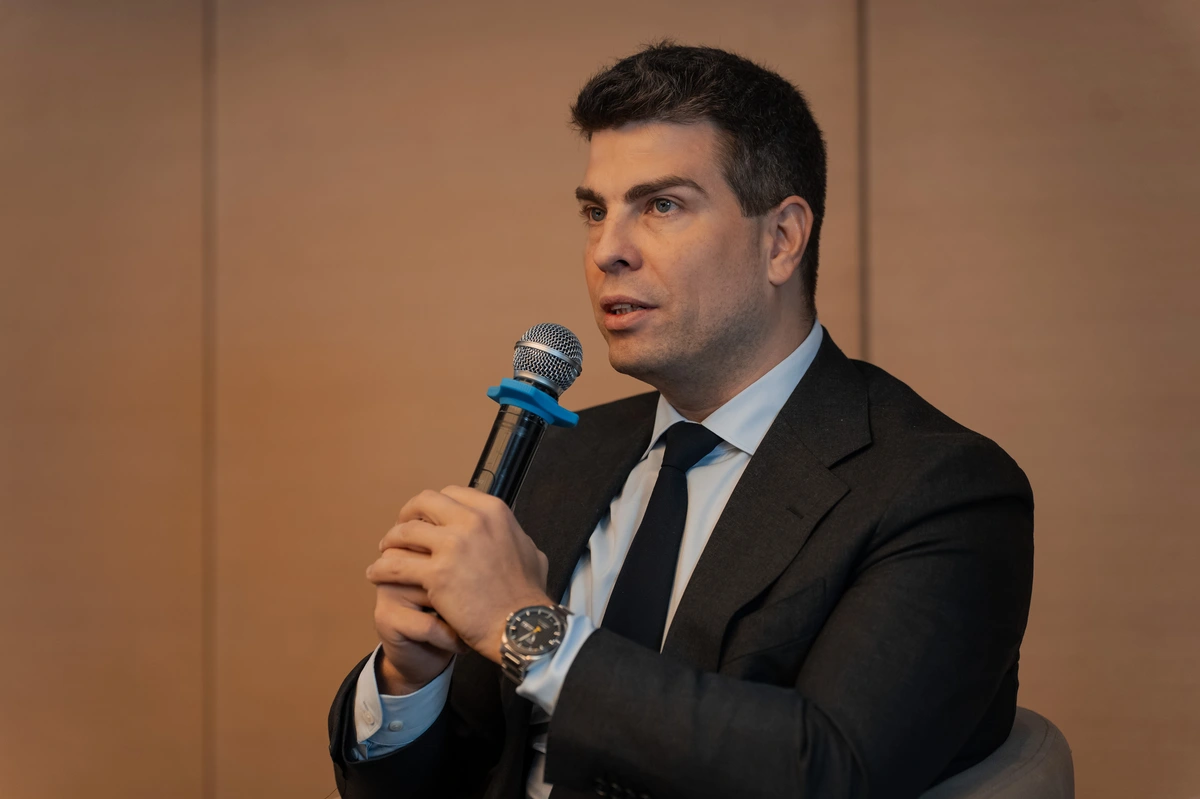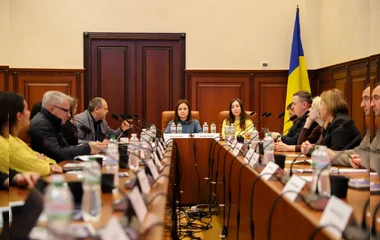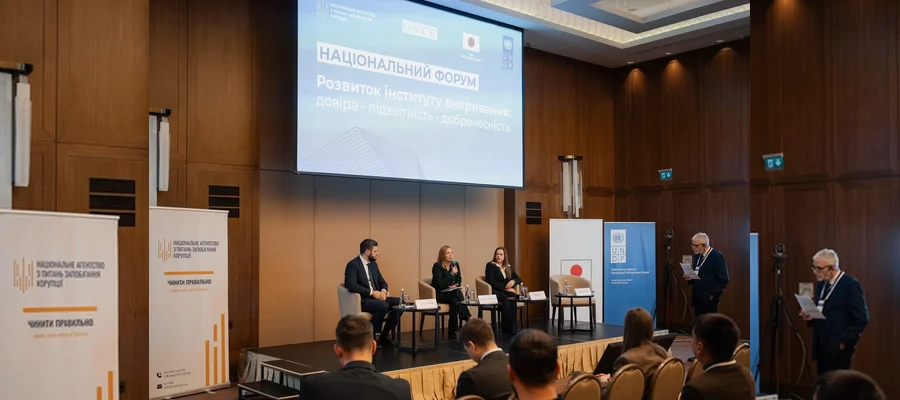
Developing the whistleblowing system requires a change in management culture, which begins with a willingness to listen to critical information, verify it and act on the findings. This approach should become part of the day-to-day management of public authorities, enterprises and institutions. This was emphasised by Viktor Pavlushchyk, Head of the National Agency on Corruption Prevention (NACP), at the forum “Developing the Whistleblowing System: Trust, Accountability, Integrity”.
“Ukraine has already established a legislative framework for protecting whistleblowers. At the same time, our task today is to ensure that the safeguards provided by law work not only on paper but also in real-life situations. We understand that reporting a violation can have serious consequences for a person, and it is precisely in such situations that the effectiveness of protection mechanisms is put to the test. That is why one of our priorities is to strengthen inter-agency cooperation so that people are not left to find solutions on their own and protection mechanisms are clear and accessible,” Viktor Pavlushchyk stressed.
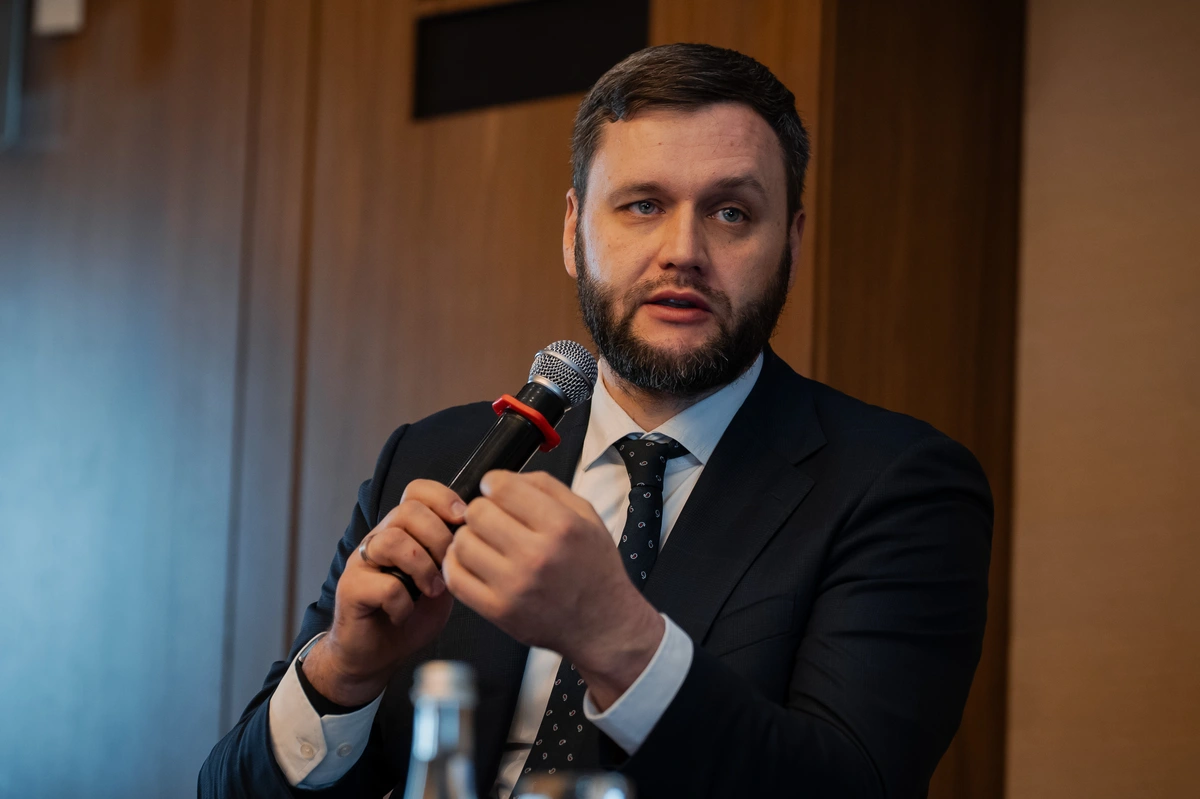
According to him, the whistleblowing system is also of strategic importance for Ukraine’s recovery, as significant resources and investments will flow into the country. In this process, whistleblowing serves as an effective tool for monitoring the efficient use of funds, since whistleblowers are often the first to identify concealed conflicts of interest or the misuse of resources.
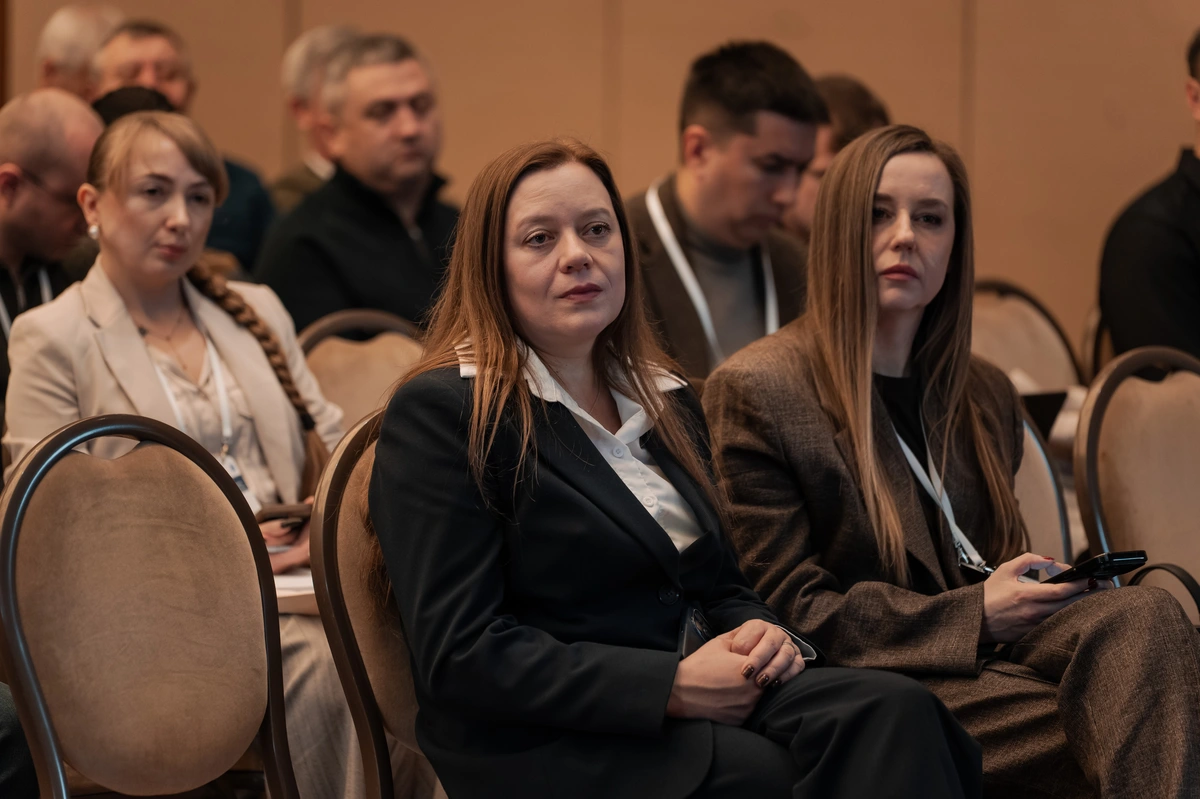
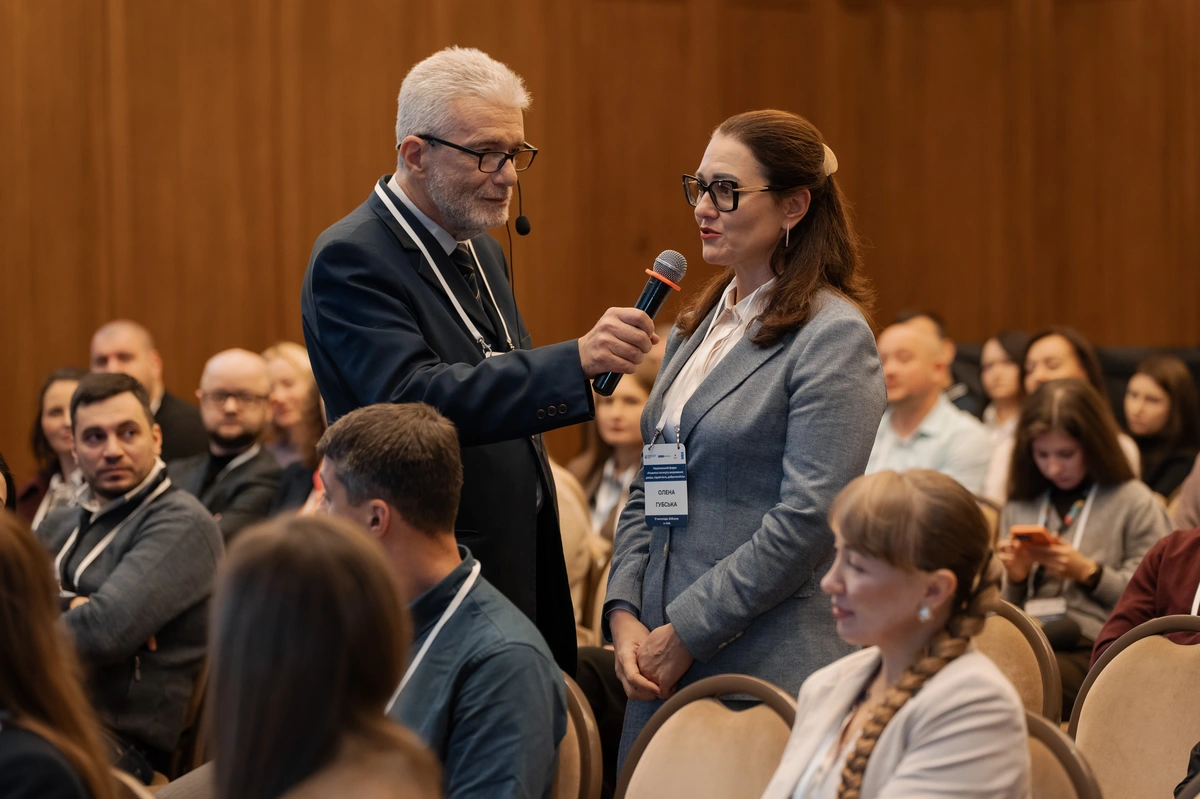
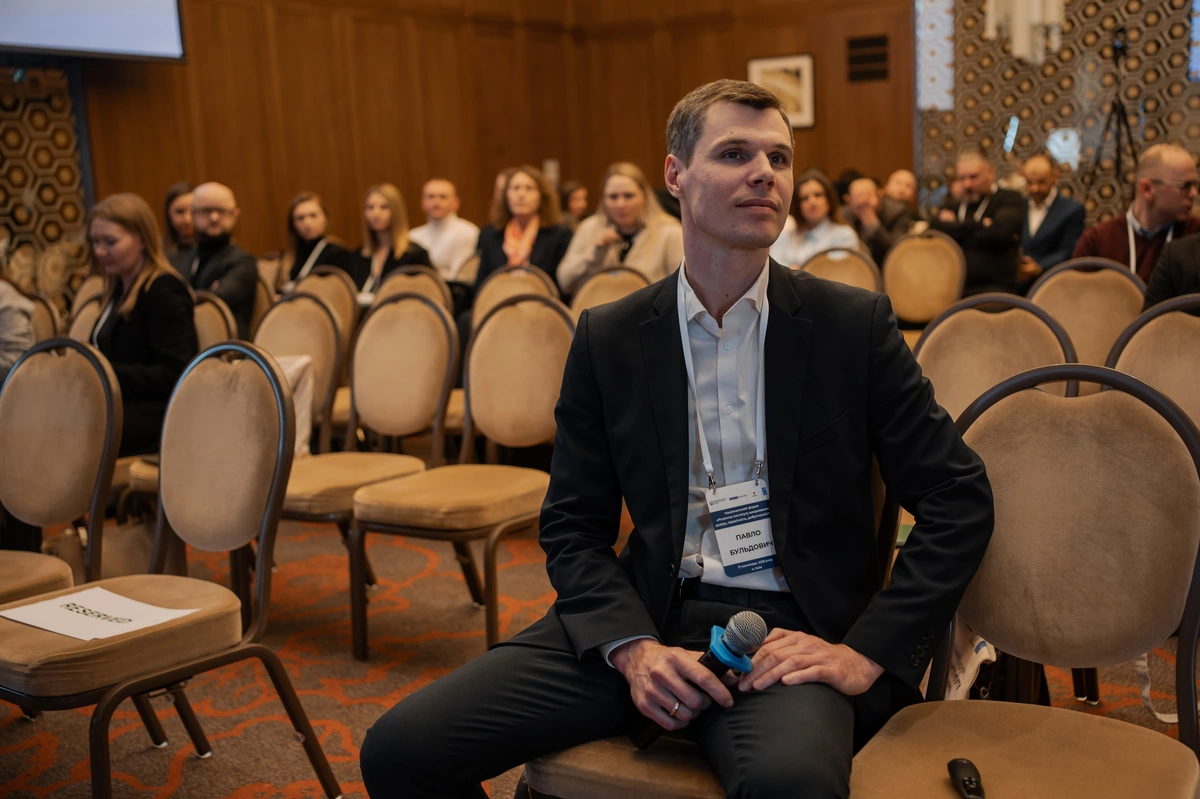
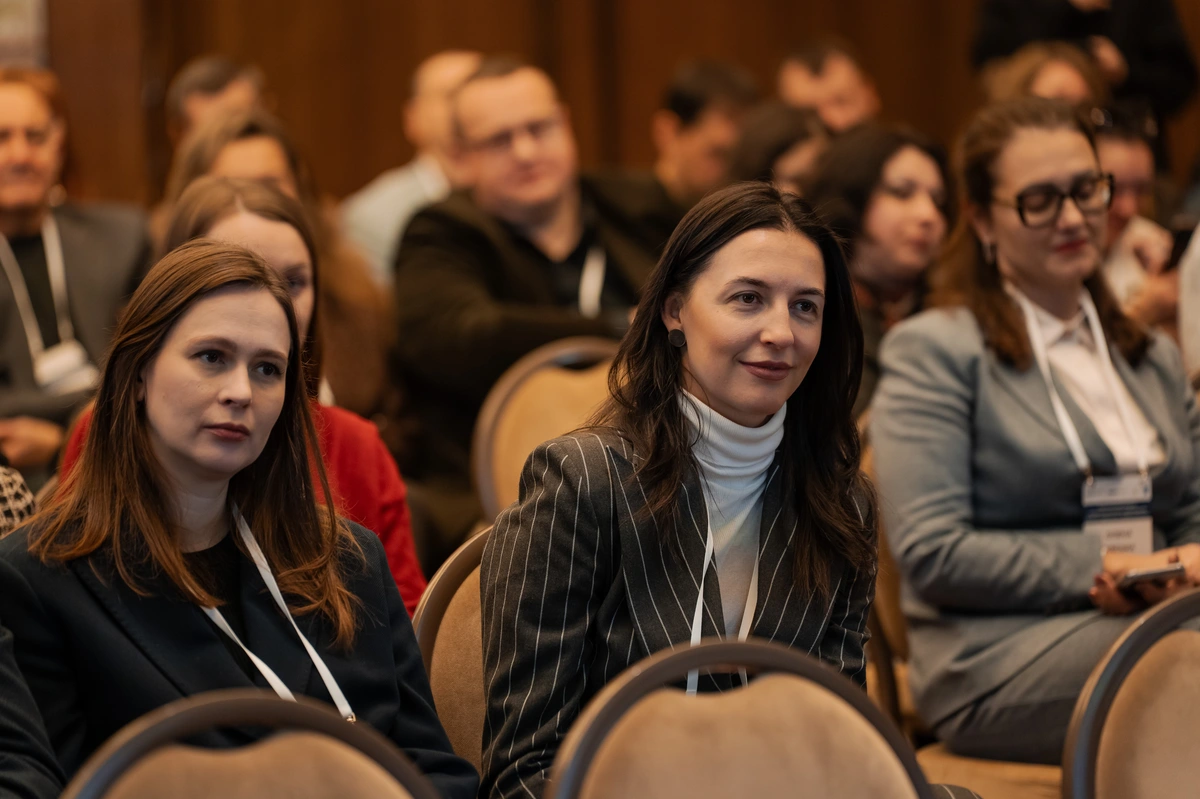
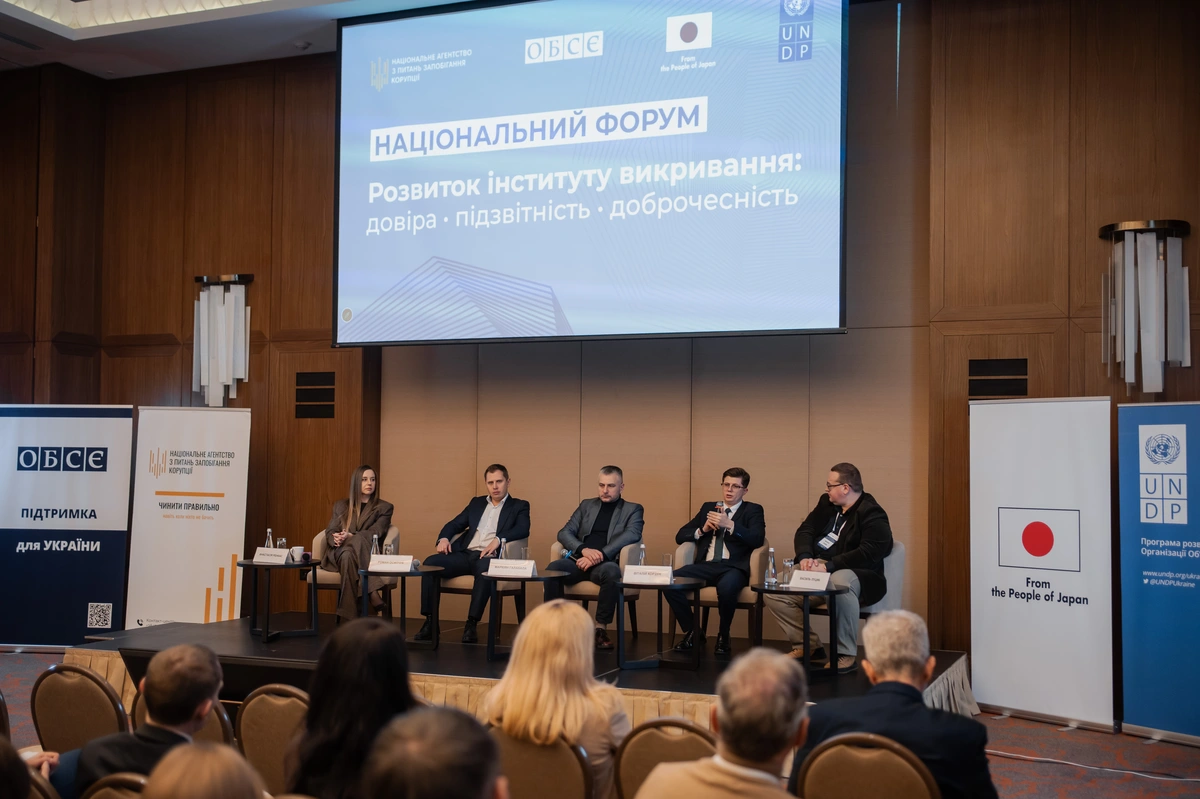
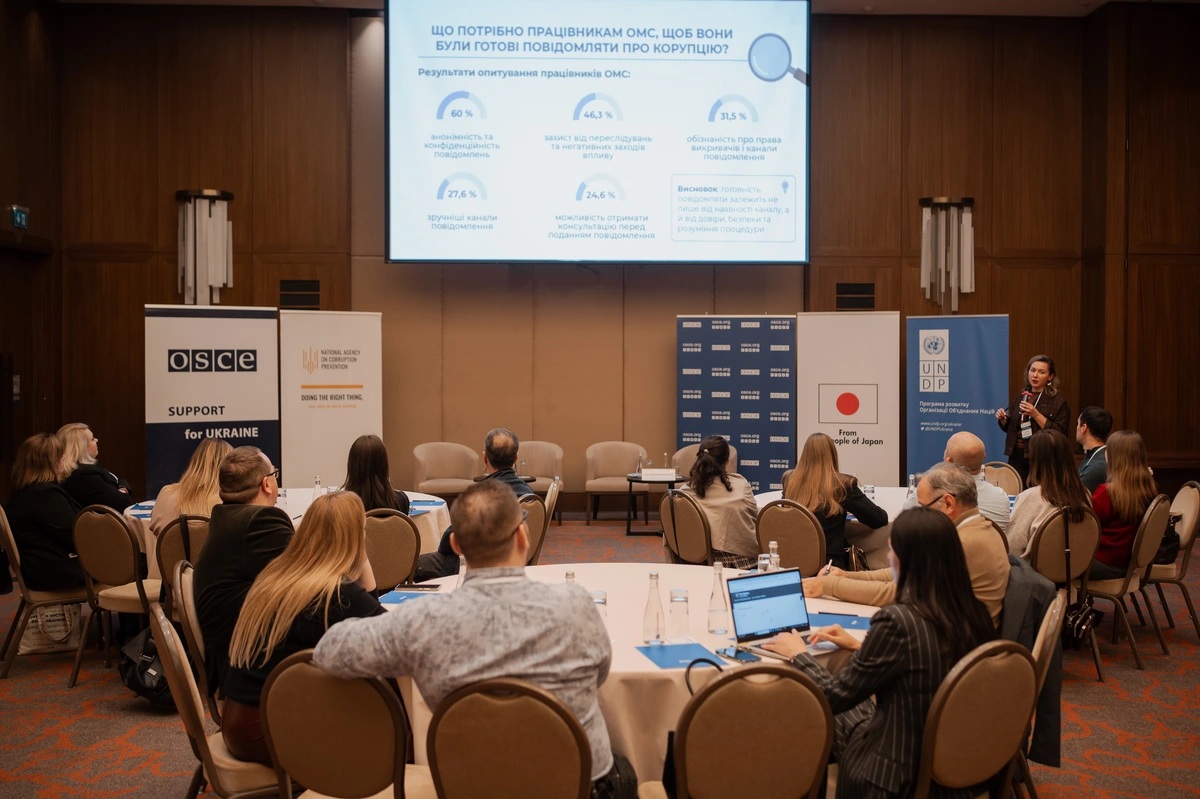
The forum brought together representatives of public authorities, civil society, international organisations and expert communities. Participants discussed practical aspects of cooperation between institutions when handling whistleblower reports, ensuring whistleblowers’ rights and protection guarantees, and fostering a whistleblowing culture in Ukraine.
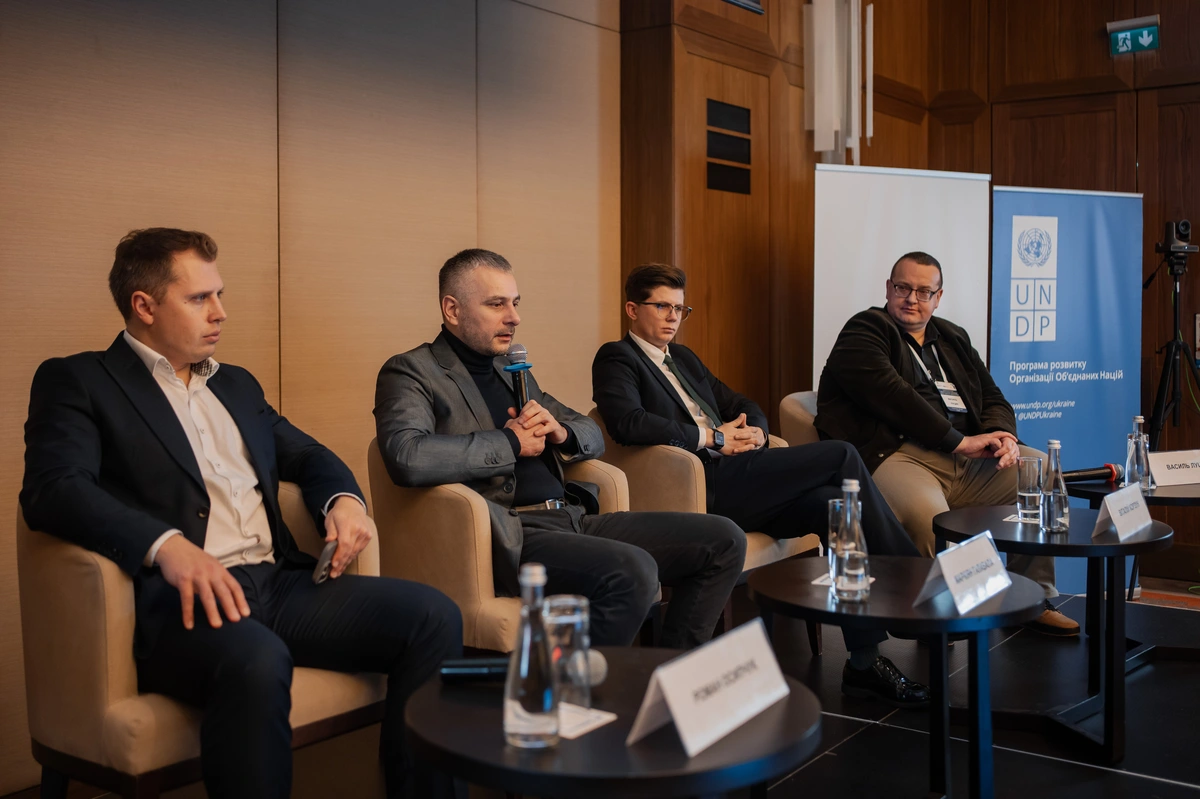
During the panel discussions, speakers sought to move beyond viewing whistleblowers merely as a source of insider information about corruption. Instead, they focused on the importance of the state’s ability to hear uncomfortable information and respond to it.
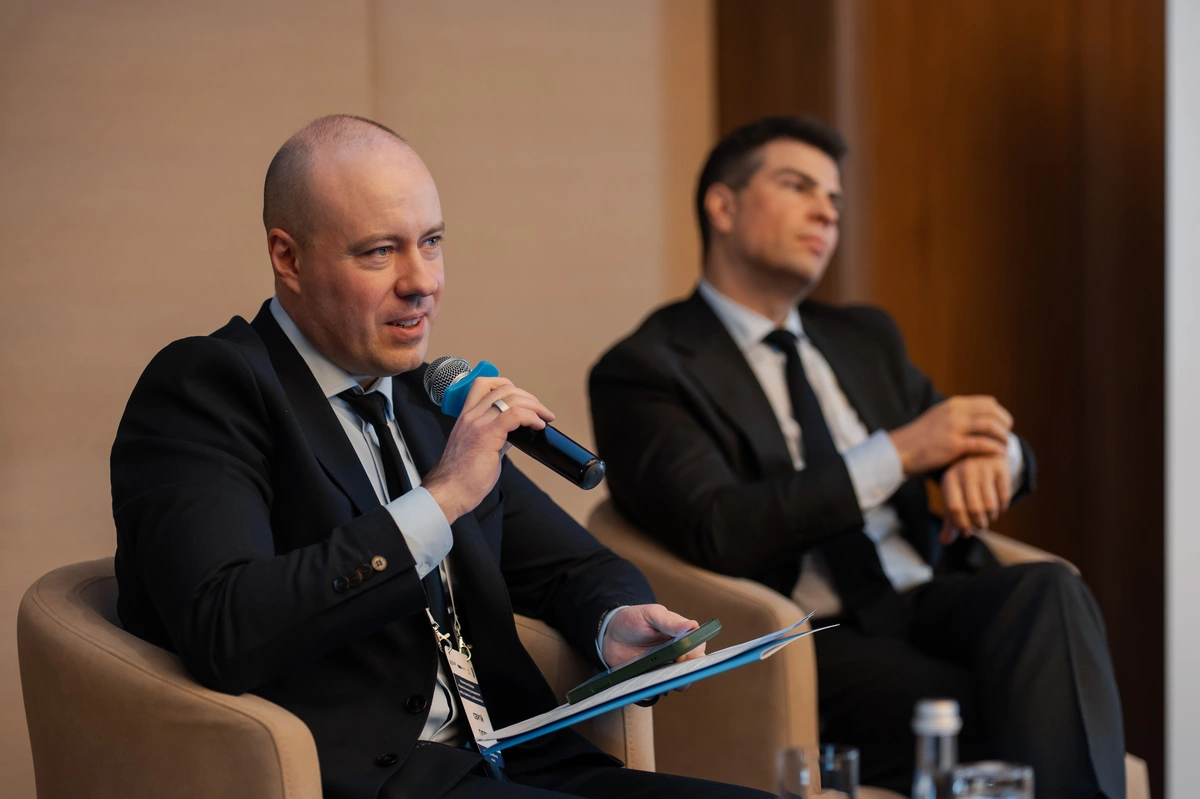
NACP Deputy Head Serhii Hupiak stressed that creating technical channels for reporting or encouraging people to come forward is not enough. It is also essential to establish feedback mechanisms that allow whistleblowers to see that they have been heard, that their information has been properly addressed and that they will not face negative consequences themselves.
He also noted that corruption is not the only issue that deserves attention, as people encounter other violations that do not always receive an adequate response.
“We need to implement the EU Directive, which covers a much broader range of violations than corruption alone. Pay attention to the title of this forum: ‘Developing the Whistleblowing System’. It does not include the word ‘corruption’. However, we are currently talking about corruption because whistleblowing in Ukraine is still limited to issues covered by anti-corruption legislation. At the same time, when we talk about fostering a whistleblowing culture in general, it is not just about corruption – it is about what is right and what is wrong. This is a much broader concept that we need to address,” the NACP Deputy Head emphasised.
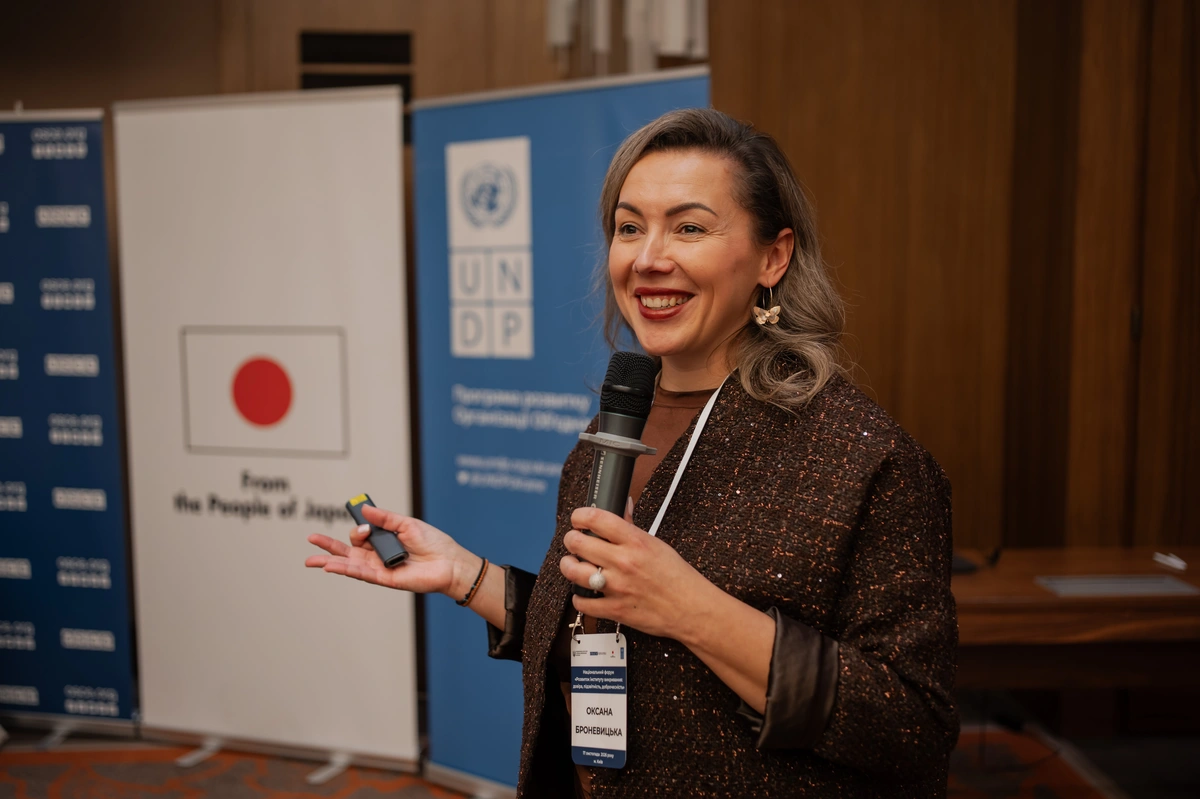
Anastasiia Renkas, Head of the Whistleblowing System Development Unit, focused in particular on strengthening inter-agency cooperation. Whistleblowers should have a single point of entry and clear guidance, including through the Unified Whistleblower Reporting Portal, while public authorities should coordinate and communicate with one another directly.
“I believe the system will work when people are no longer forced to go from one authority to another, but instead have a single ‘point of entry’ that explains the rules because it knows them. People should not have to look for these rules themselves, and if protection is needed, they should receive it. Ideally, we would reach a point where people do not need protection simply because they have reported a violation. I realise this is an ideal scenario, but I would like this to become the norm,” Anastasiia Renkas concluded.

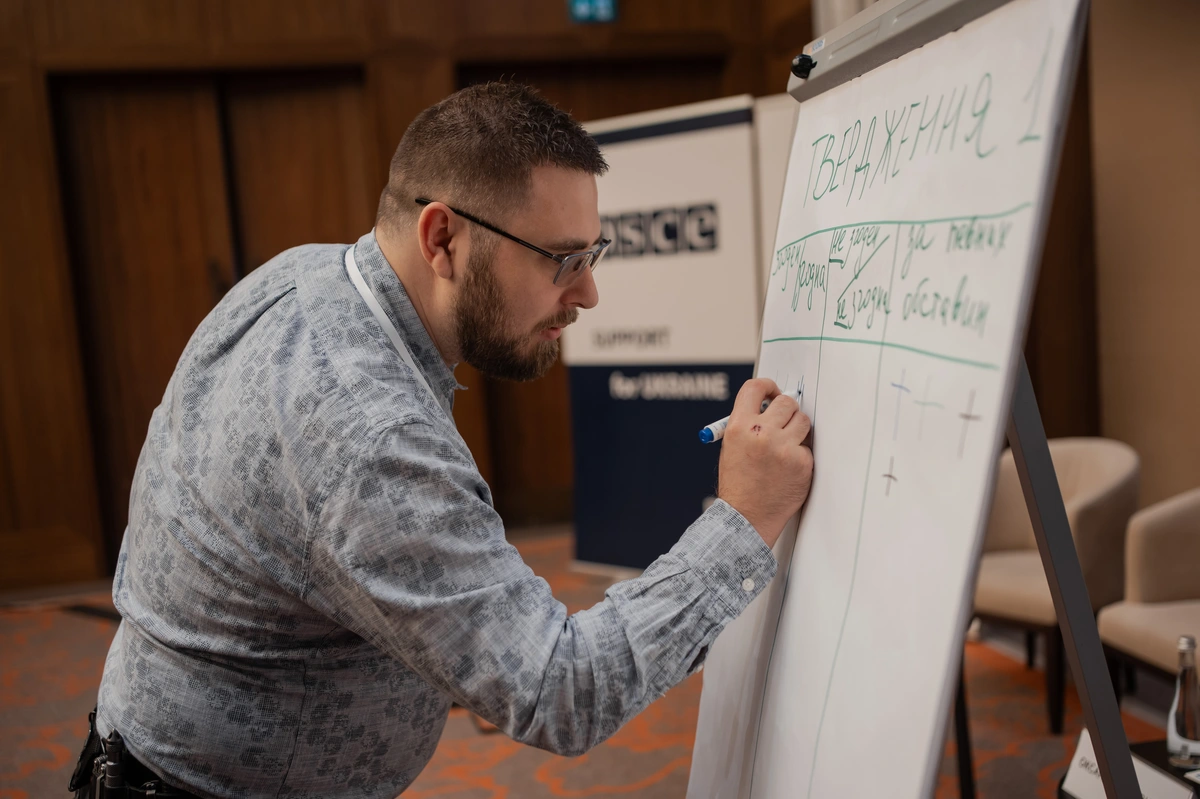
The forum also included practical Policy Labs, during which participants developed solutions to:
-
strengthen the whistleblowing system;
-
remove obstacles faced by whistleblowers;
-
promote a culture of reporting corruption;
-
develop whistleblowing as an element of integrity in local communities.
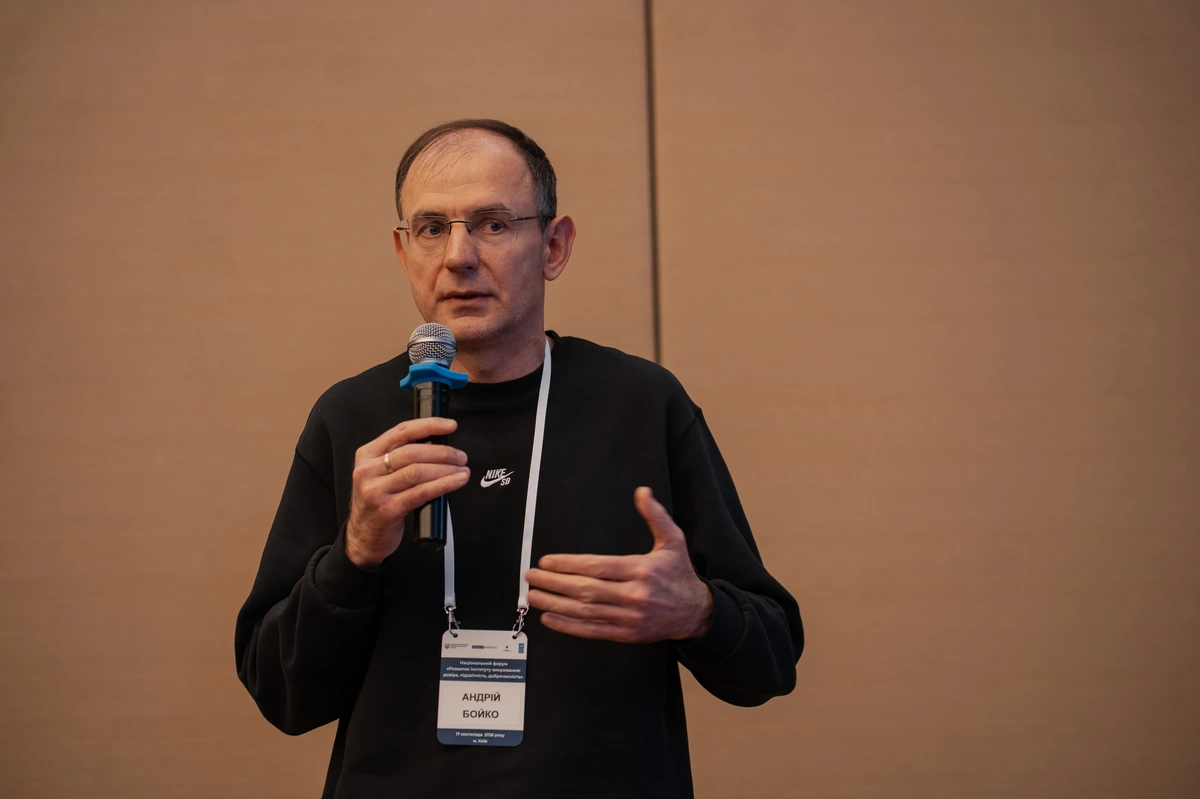
The discussion platform also featured Andrii Boiko, the first whistleblower in Ukraine to receive a state monetary reward for reporting corruption. He spoke about his motivation for reporting corruption and the challenges he faced along the way.
The forum was organised by the National Agency on Corruption Prevention in cooperation with the OSCE Support Programme for Ukraine, with the support of the United Nations Development Programme (UNDP) and funding from the Government of Japan.