
Ukraine's modern anti-corruption policy is based on a comprehensive approach that combines the minimisation of corruption risks, digitalisation, the development of a culture of integrity, effective financial control, and the inevitability of punishment. An important element of this system is also international cooperation, which allows the combination of Ukrainian experience with the best international practices and ensures the sustainability of anti-corruption reforms.
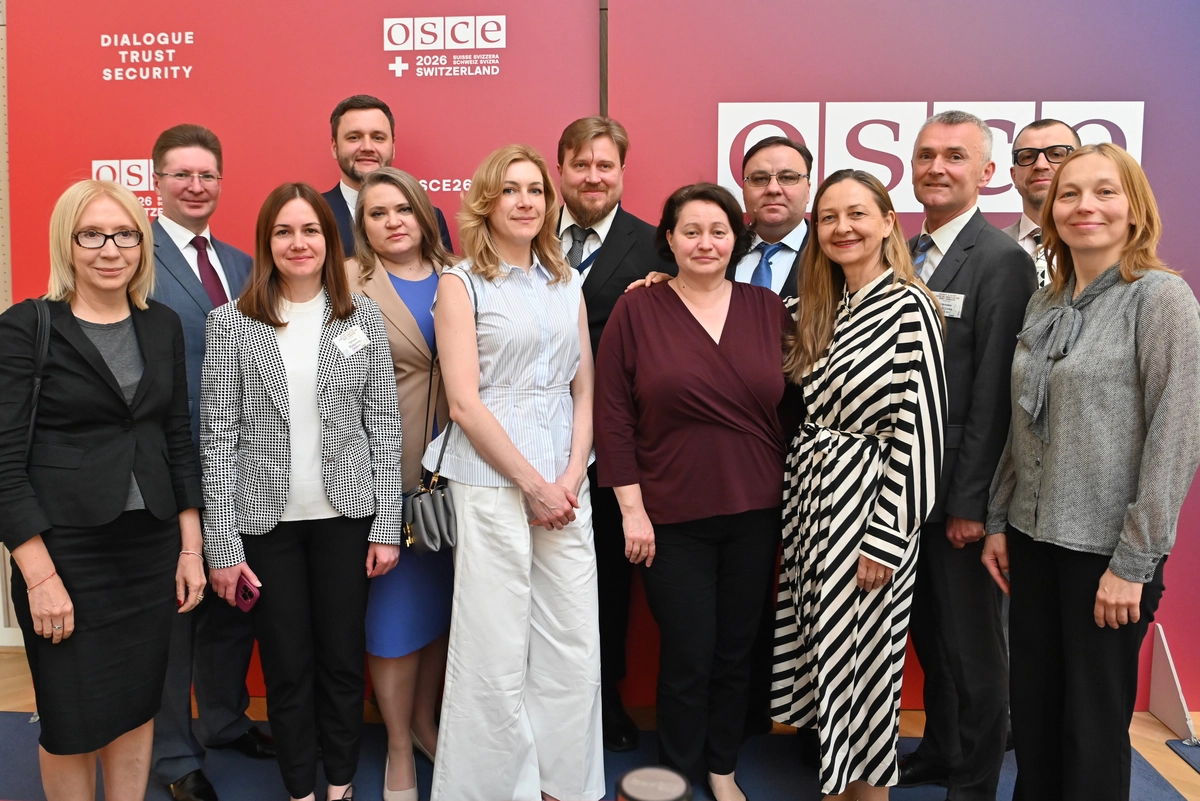
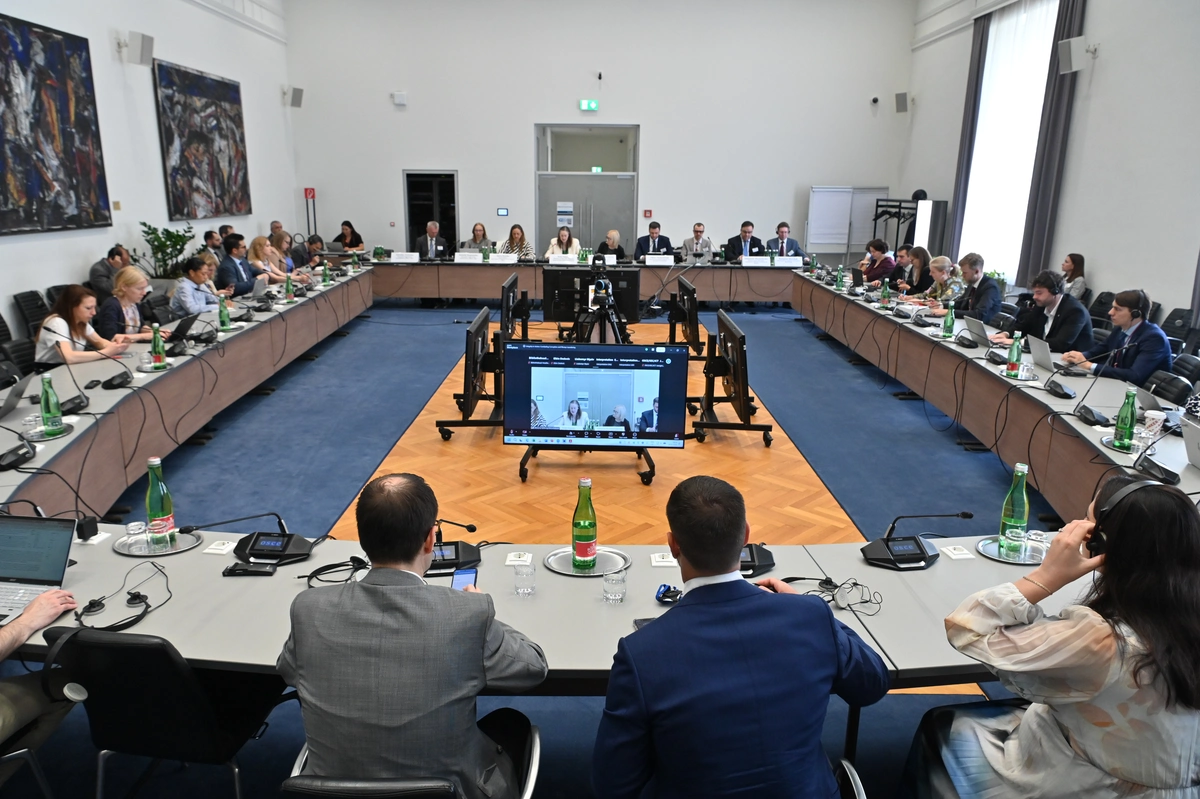
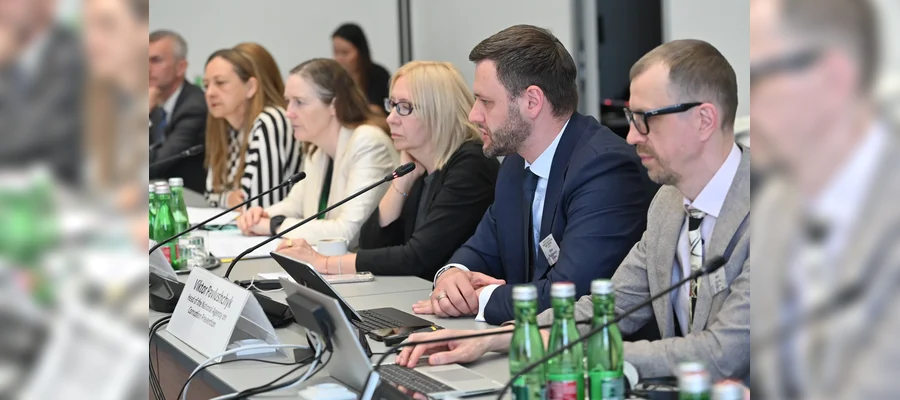
This was emphasised by the Head of the National Agency on Corruption Prevention (NACP), Viktor Pavlushchyk, during the event "Integrity in Action: Combating Corruption and Money Laundering," dedicated to the results of cooperation between Ukraine and the Organization for Security and Co-operation in Europe (OSCE).
During the event, he presented the key development areas of Ukraine's anti-corruption system and the results of cooperation between the NACP and the OSCE. In particular, this included the preparation of the new Anti-Corruption Strategy and the State Anti-Corruption Program for 2026–2030, conducting research on corruption risks in the most vulnerable areas, developing the institution of anti-corruption authorised officers, protecting whistleblowers, and building a digital ecosystem of integrity and anti-corruption communications.
"The OSCE's support allows us not only to implement current anti-corruption initiatives but also to shape policy based on data. It is with the support of our partners that comprehensive research on corruption risks in the fields of justice and construction was conducted, analytical developments for the new Anti-Corruption Strategy for 2026–2030 were prepared, and the study 'Corruption in Ukraine - 2025 ' was conducted. Expert view and assessments were conducted and presented, and work on analysing corruption risks in the field of education is currently ongoing," Viktor Pavlushchyk said, noting that all these developments contribute to strengthening the resilience of state institutions, implementing European integrity standards, and forming a modern system of corruption prevention in Ukraine.
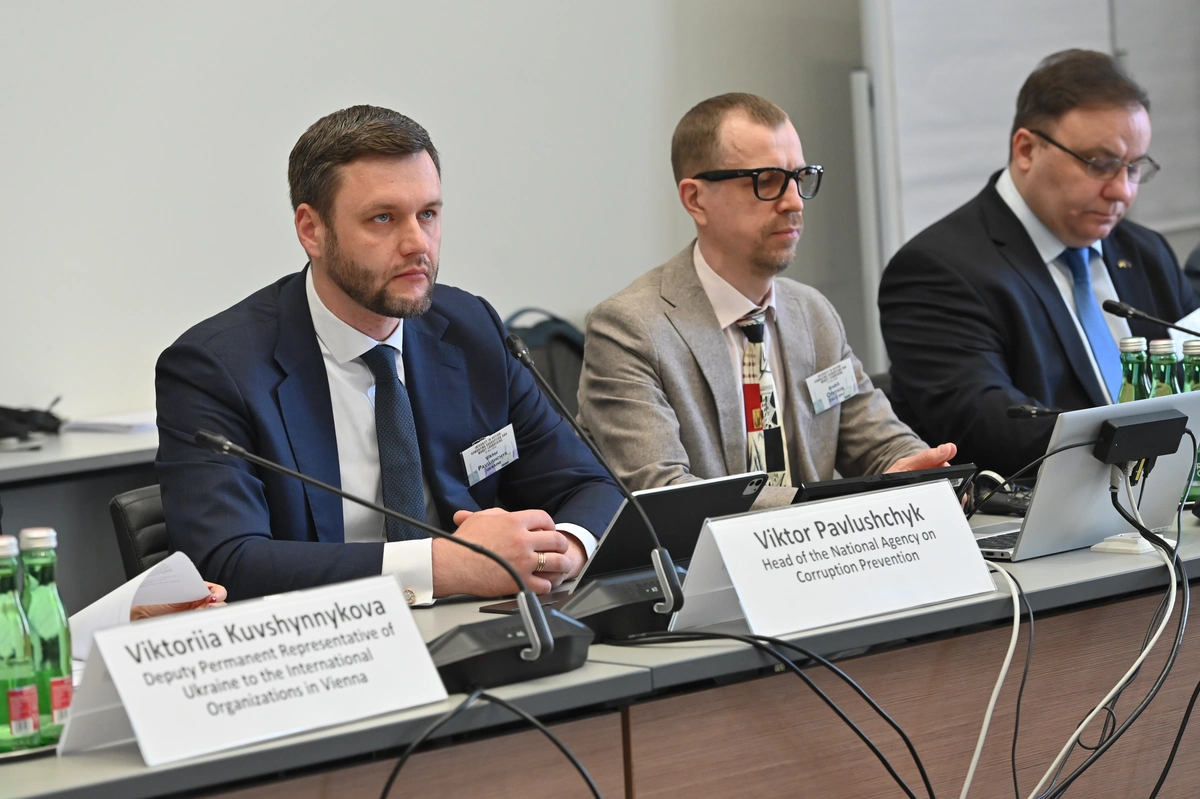
As part of the visit to Austria, the NACP delegation also held a series of working meetings with international partners focused on the practical implementation of anti-corruption reforms.
In particular, at the headquarters of the International Anti-Corruption Academy (IACA), the further implementation of the joint Memorandum of Understanding between the NACP and IACA was discussed. The parties identified future cooperation priorities, including support for Ukraine's transparent post-war reconstruction, expert exchange, and the implementation of innovative educational practices in corruption prevention. Special attention during the meeting was paid to IACA's independent study "Measuring the Effectiveness of Anti-Corruption Agencies (ACAs)," conducted within the framework of engagement with the GlobE Network. Conducting this study will allow for a deeper assessment of the NACP's institutional capacity and the integration of the world's best law enforcement practices into the Ukrainian context.
NACP representatives also took part in a strategic meeting with representatives of the United Nations Office on Drugs and Crime (UNODC) and the OSCE. The parties discussed the draft of Ukraine's new Anti-Corruption Strategy and prospects for implementing international anti-corruption initiatives. In this context, the implementation of the project "Preventing and Combating Corruption during the Recovery of Ukraine" was also presented, which is implemented by UNODC with the financial support of the Kingdom of Norway and is aimed at strengthening the resilience of the anti-corruption system during reconstruction.
In addition, Viktor Pavlushchyk met with the OSCE Deputy Secretary General and Director of the Conflict Prevention Centre, Kate Fearon. The parties discussed the priorities for preparing the new Anti-Corruption Strategy, the institutional independence of the anti-corruption system, and further support from the OSCE.
Viktor Pavlushchyk thanked international partners for their systemic support of anti-corruption reforms in Ukraine, particularly within the framework of the OSCE Support Programme for Ukraine's project "Supporting the Development of Effective Tools for Corruption Prevention and Strengthening Anti-Corruption Compliance in Ukraine."