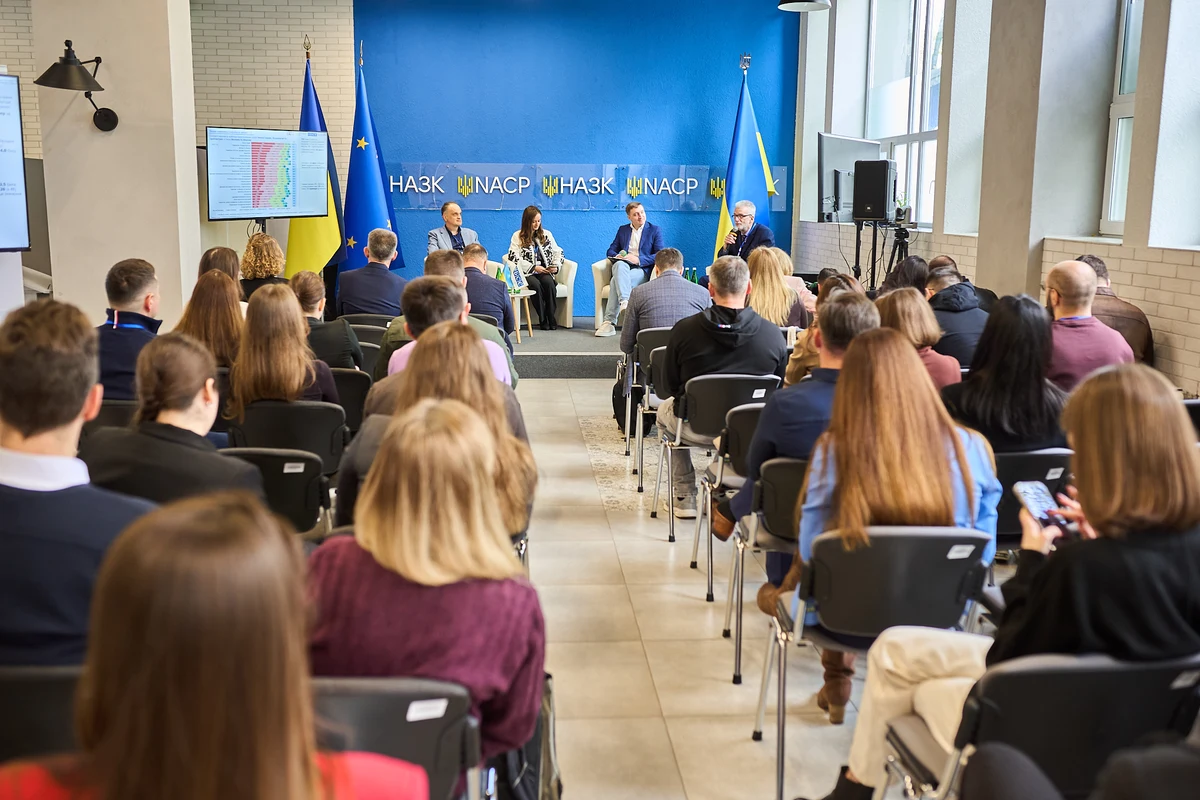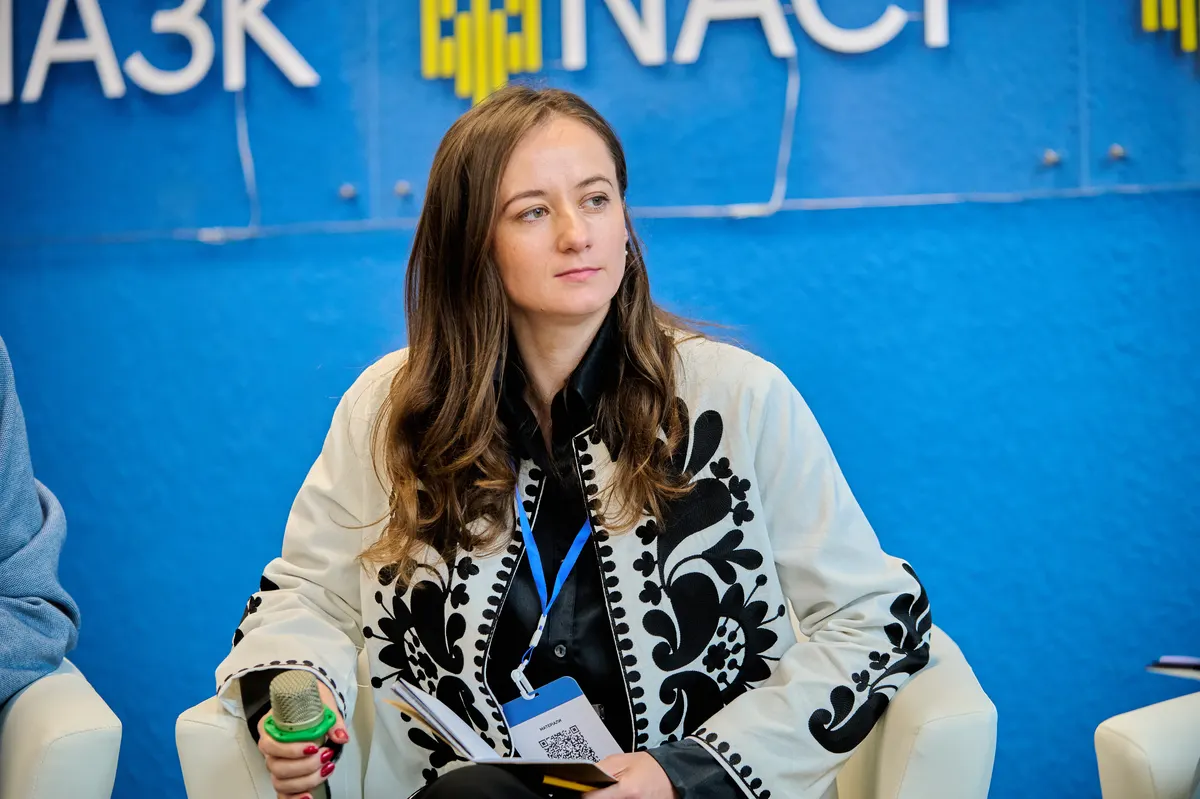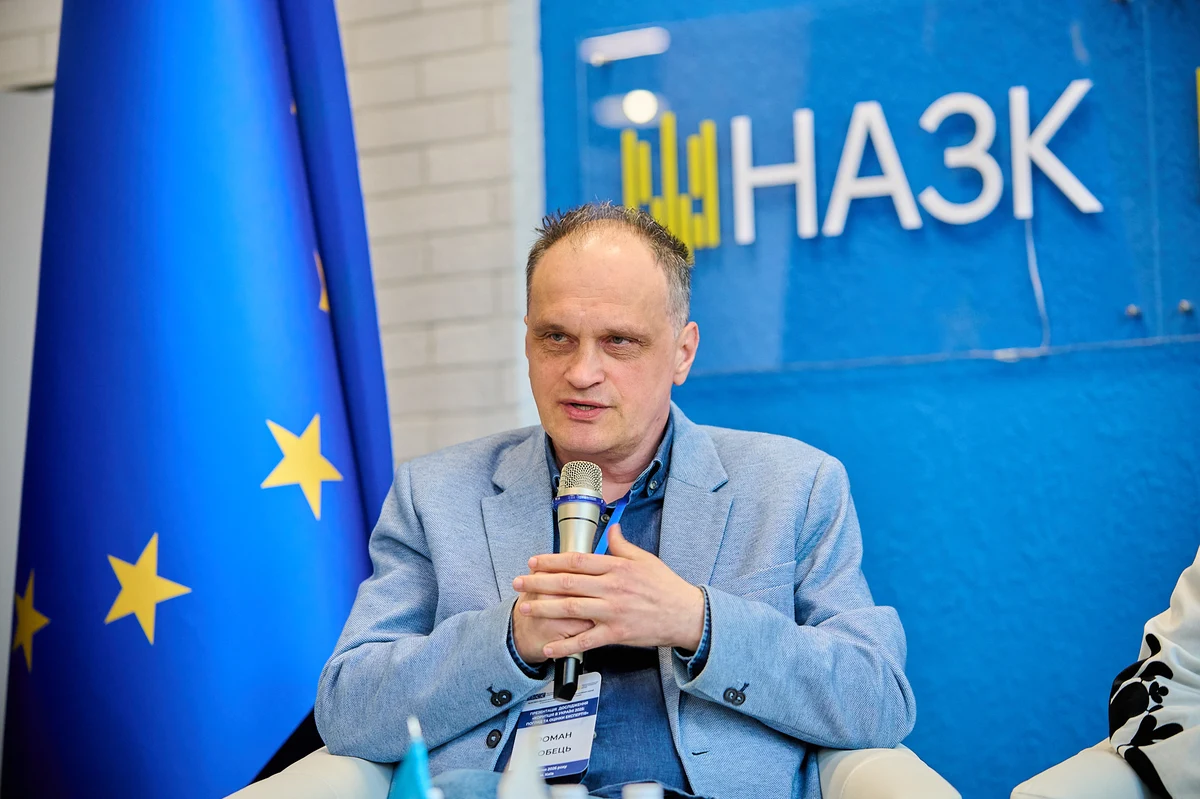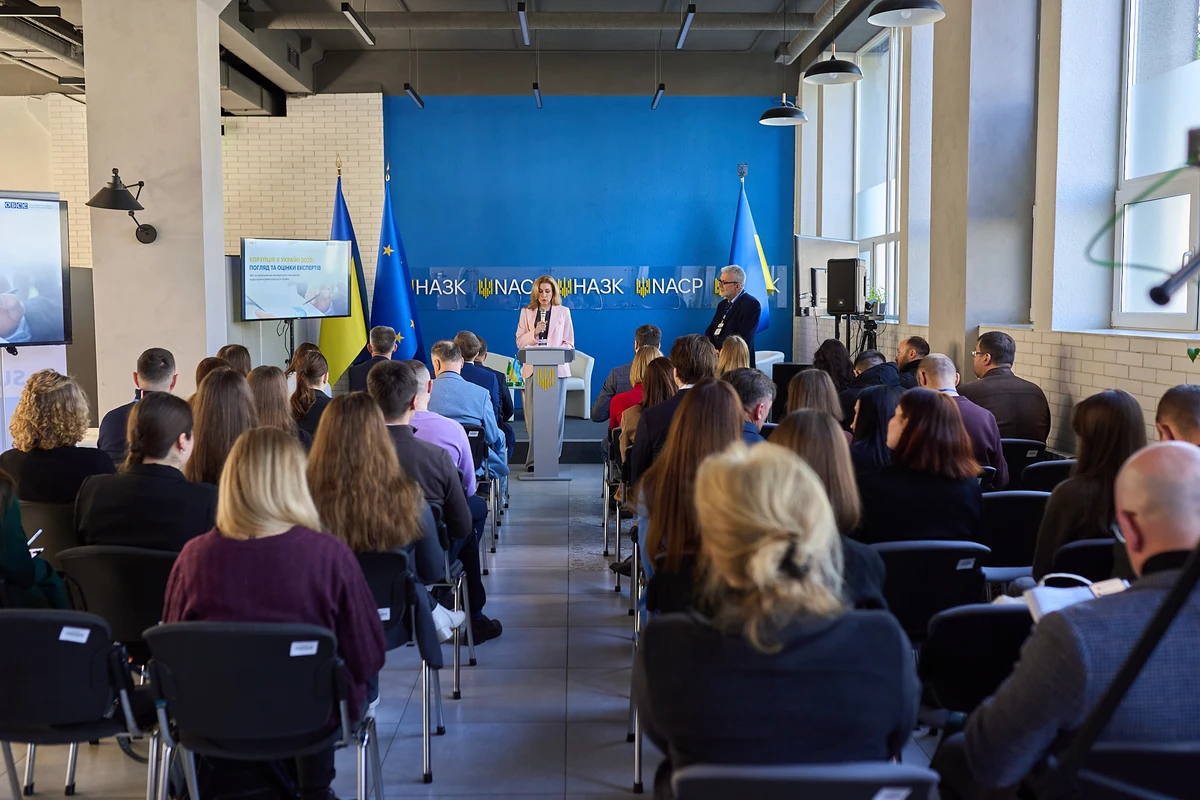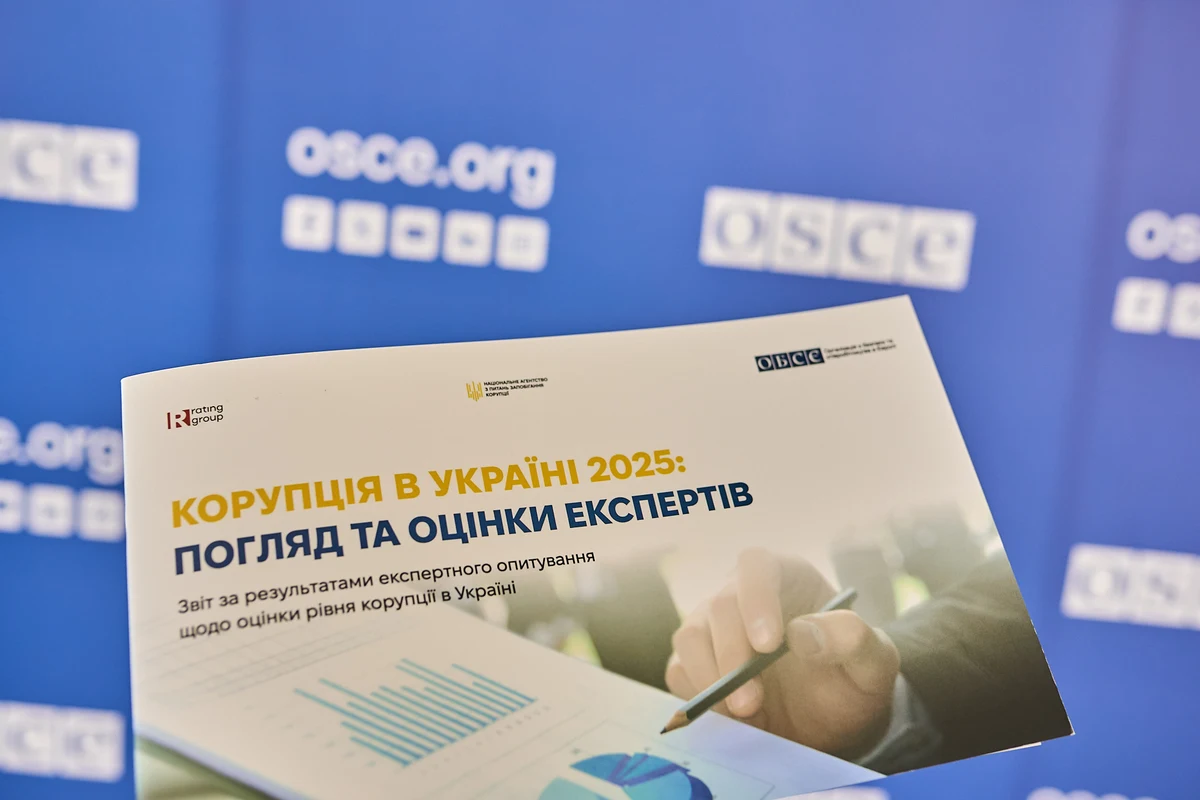

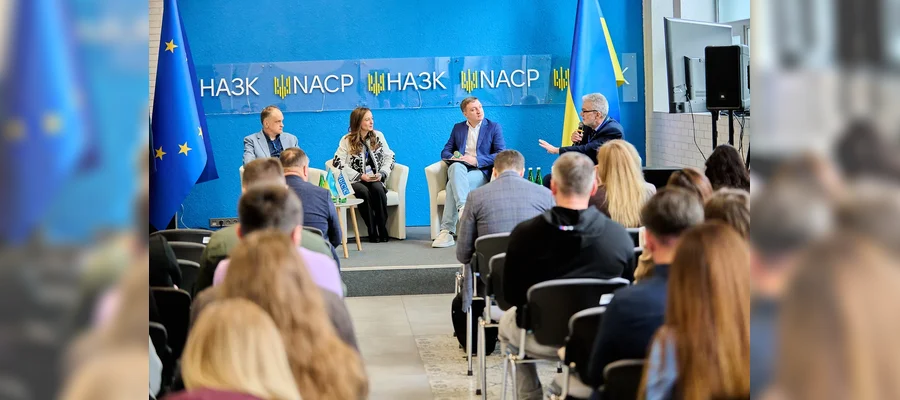
From the perspective of the expert community, high-level corruption remains the greatest challenge for Ukraine among various types of corruption. According to the results of the study “Corruption in Ukraine 2025: Expert Views and Assessments,” presented at the National Agency on Corruption Prevention (NACP), 87% of surveyed specialists in the field of corruption prevention and counteraction identified the threat of top-level corruption. Corruption in business is considered a serious problem by 76% of experts, while everyday petty corruption is noted by 43%.
“The demand for systemic changes in public administration remains extremely high. The study also clearly highlighted sectors where corruption is perceived as most widespread: customs, construction and reconstruction, defence, energy, state property, and public procurement. These are the very sectors that are critical for the country today. And this is no coincidence, as the greatest risks arise where the largest resources are concentrated,” stated NACP Head Viktor Pavlushchyk.
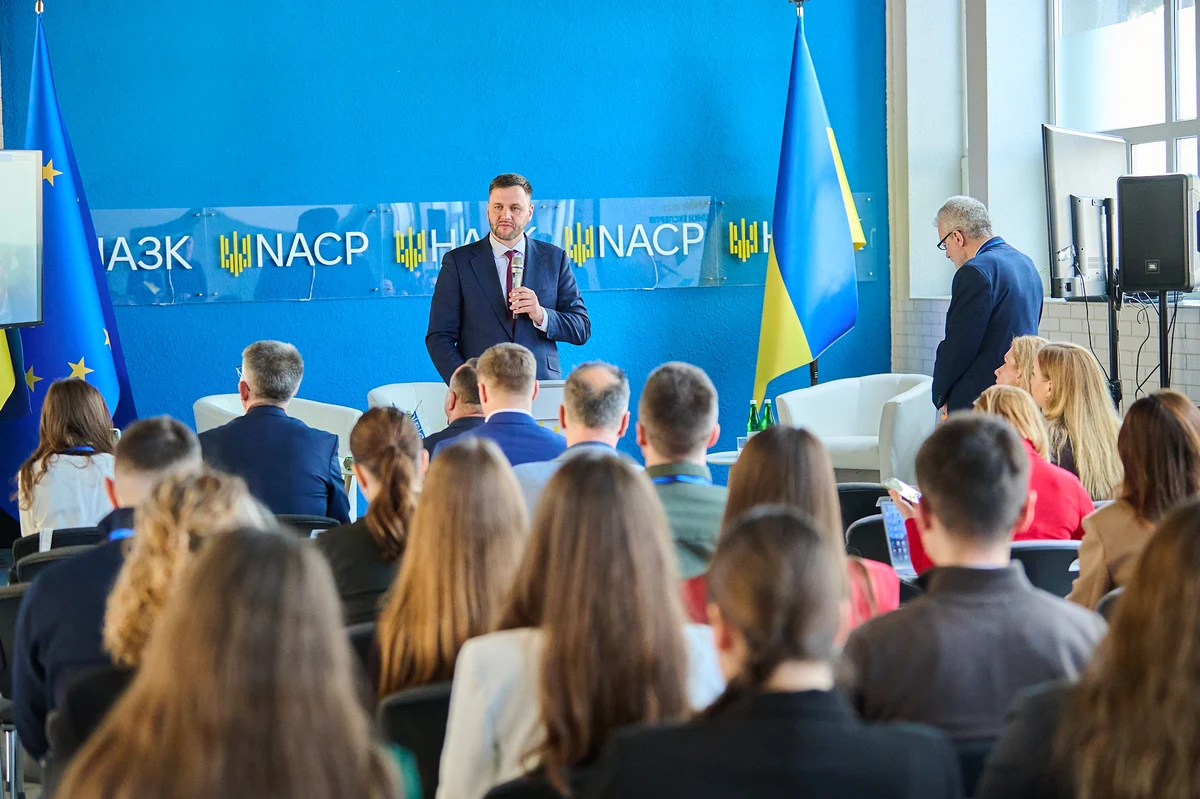
As part of this study, 369 specialists knowledgeable in the formation, implementation, and analysis of the state's anti-corruption policy were surveyed.
As noted by Natalia Romanova, Senior Project Specialist of the OSCE Support Programme for Ukraine, the results of the study make it possible to more clearly identify sectors with the highest corruption risks, formulate effective mechanisms for their minimisation, define key priorities for improving anti-corruption policy, and develop coordinated actions between the government, business, and civil society.
The perception of the prevalence of corruption in Ukraine among experts is lower than in the assessments of business and the general public. Specifically, 65% of surveyed specialists believe that corruption is “very” or “somewhat widespread” in Ukraine. In contrast, according to the results of the 2025 population and business survey, 90% of citizens and 76% of business representatives reported a significant prevalence of corruption.
“We also asked how the level of corruption in Ukraine has changed over the past 12 months. 33% of experts replied that it increased, 41% said it remained unchanged, and 20% said it decreased. Among the population, the assessment is much more pessimistic: 66% of surveyed Ukrainians noted an increase in corruption. This indicates the media prominence of the topic: the more it is discussed, the higher its level seems to be,” commented Oleksiy Antypovych, Director of the Sociological Group Rating (Rating Group), which conducted the expert survey.
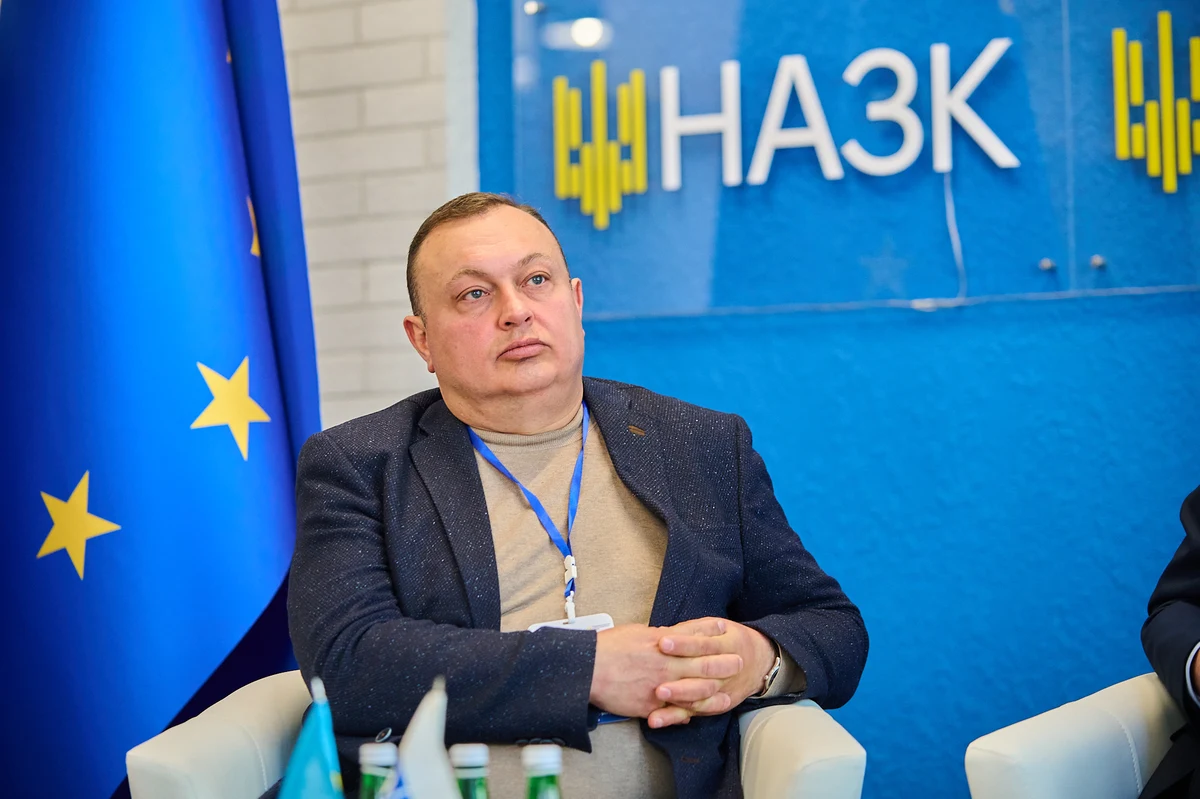
At the same time, about half of the specialists, evaluating current trends, are optimistic and expect a decrease in the level of corruption, while only about a third speak of a possible increase.
“In the coming years, Ukraine can achieve a reduction in real corruption experience to an acceptable European level. To do this, we need to focus on implementing further sectoral reforms that will have an anti-corruption effect and on developing a general system for preventing and combating corruption, ranging from anti-corruption policy formation tools, the institute of conflict of interest, financial control, and whistleblowers, to ensuring the inevitability of liability. This is exactly the approach we have incorporated into the draft Anti-Corruption Strategy for 2026-2030,” noted NACP Deputy Head Dmytro Kalmykov.
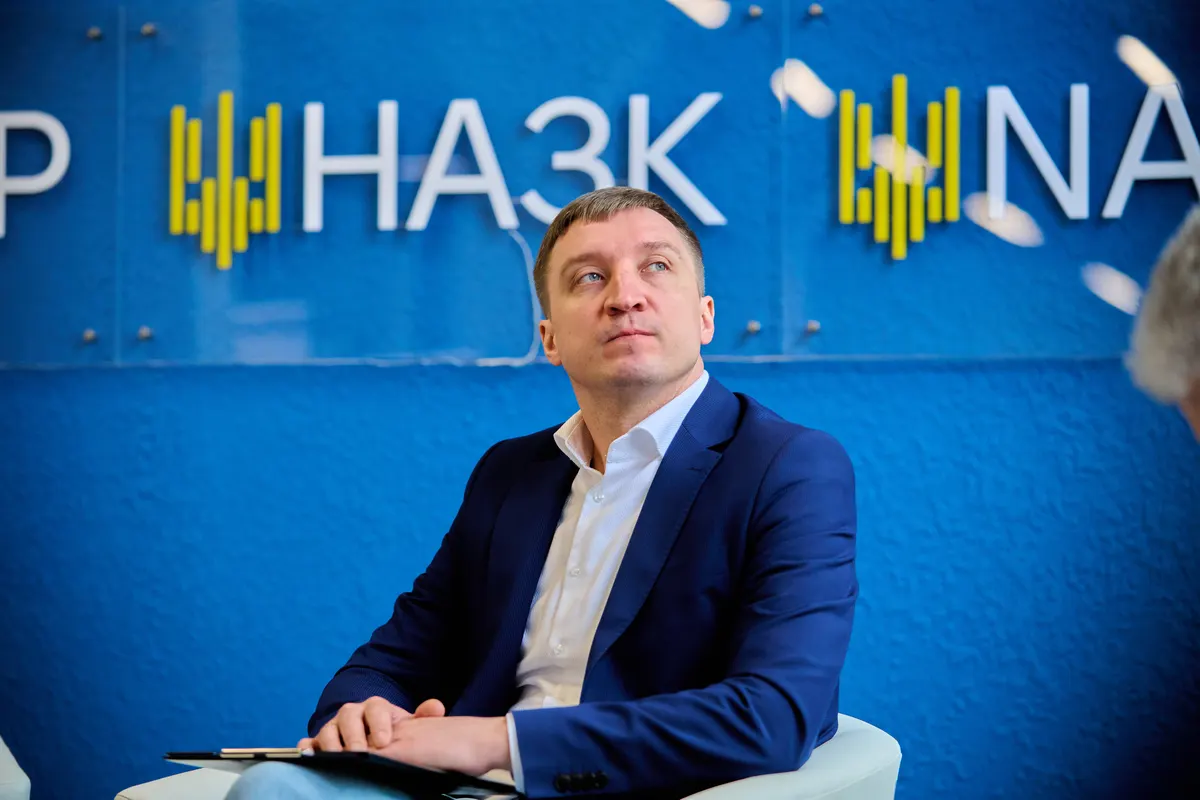
According to Volodymyr Kharchenko, Head of the Corruption and Anti-Corruption Data Aggregation Unit of the NACP’s Anti-Corruption Policy Department, experts primarily place responsibility for overcoming corruption in Ukraine on the NABU, NACP, and the Verkhovna Rada of Ukraine. More than half of the respondents consider the activities of key anti-corruption institutions – NABU, SAPO, HACC, and NACP – to be effective. At the same time, most other state bodies received negative ratings, specifically law enforcement agencies (SBU, SBI, the National Police of Ukraine, and the Prosecutor's Office).
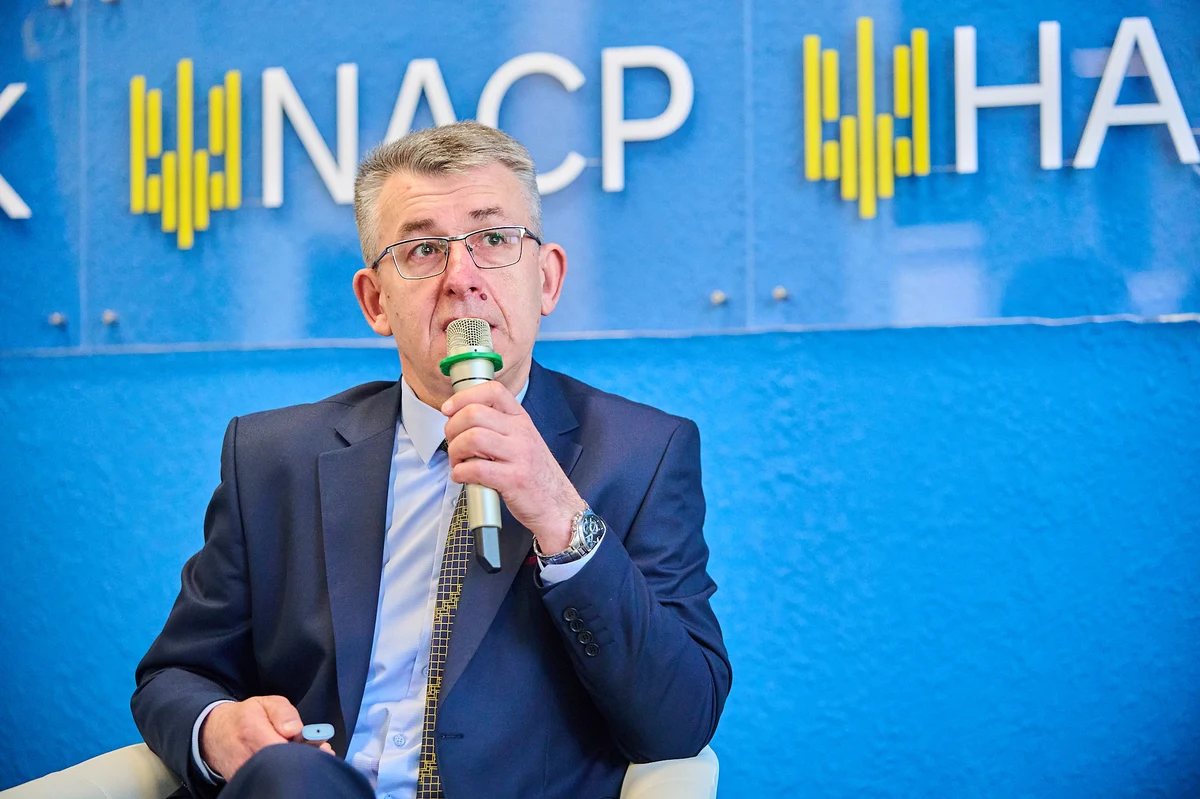
As part of the study, an index of perceived prevalence of corruption in various sectors was calculated, forming a general ranking of 48 areas. According to expert assessments, the most corrupt sectors include:
- customs;
- construction and infrastructure;
- security and defence;
- management of state-owned property;
- energy;
- land relations;
- forestry and hunting;
- law enforcement and crime prevention;
- public procurement;
- state regulation of gambling and lotteries;
- subsoil use.
According to experts, the least corrupt sectors are foreign relations, digitalisation, and statistics.
The study is available here. Video of the study presentation: https://youtu.be/s2BxV3PgXEo
Background: The study was conducted at the request and according to the Methodology of the NACP by the sociological company Rating Group, with the financial assistance of the OSCE Support Programme for Ukraine.
Two categories of respondents participated in the survey:
- academics, analysts, representatives of higher education institutions, research institutions, and think tanks involved in studying the phenomenon of corruption and its forms, the theory and practice of preventing and combating corruption, and seeking ways to improve anti-corruption and related legislation; as well as representatives of international organizations and donors who have provided international technical assistance to Ukraine in the field of anti-corruption over the past two years, public associations, media, independent experts, and civil activists dealing with the problem of corruption in Ukraine;
- representatives of state bodies and local self-government bodies involved in the formation and/or implementation of anti-corruption policy, conducting pre-trial investigations, or administering justice in proceedings regarding corruption and corruption-related offences.