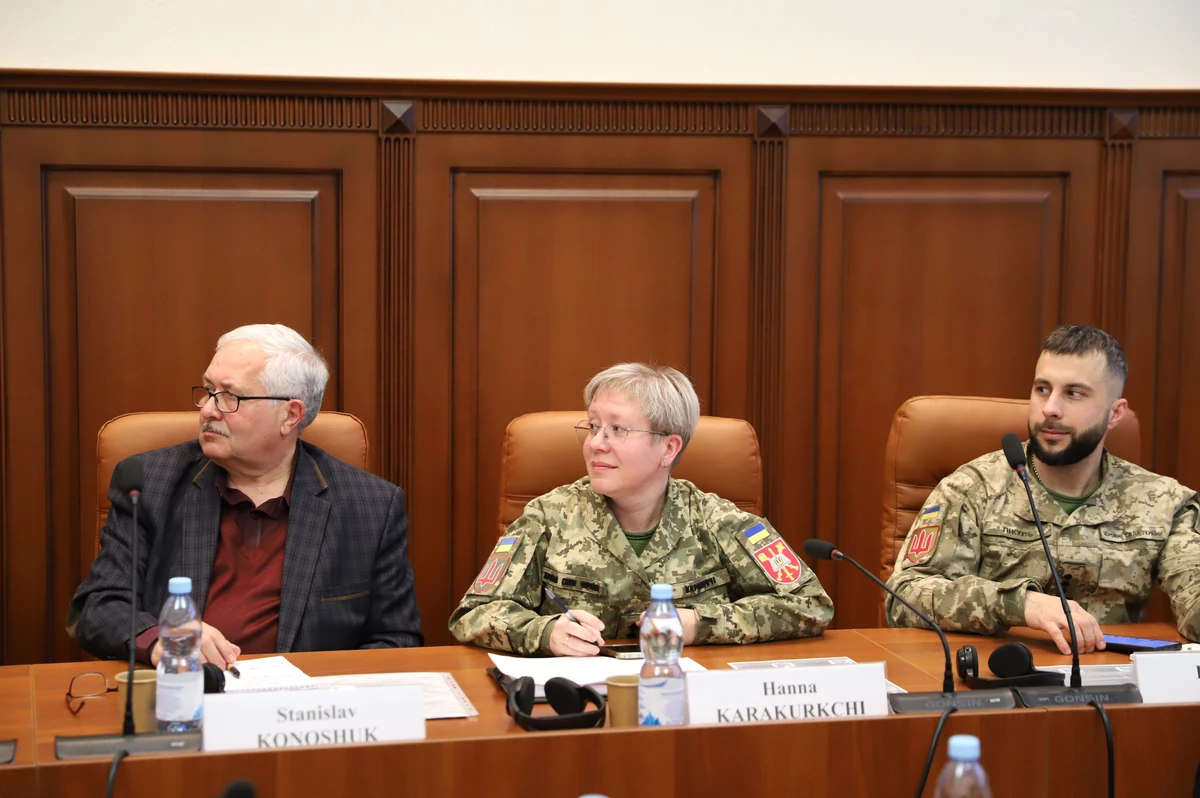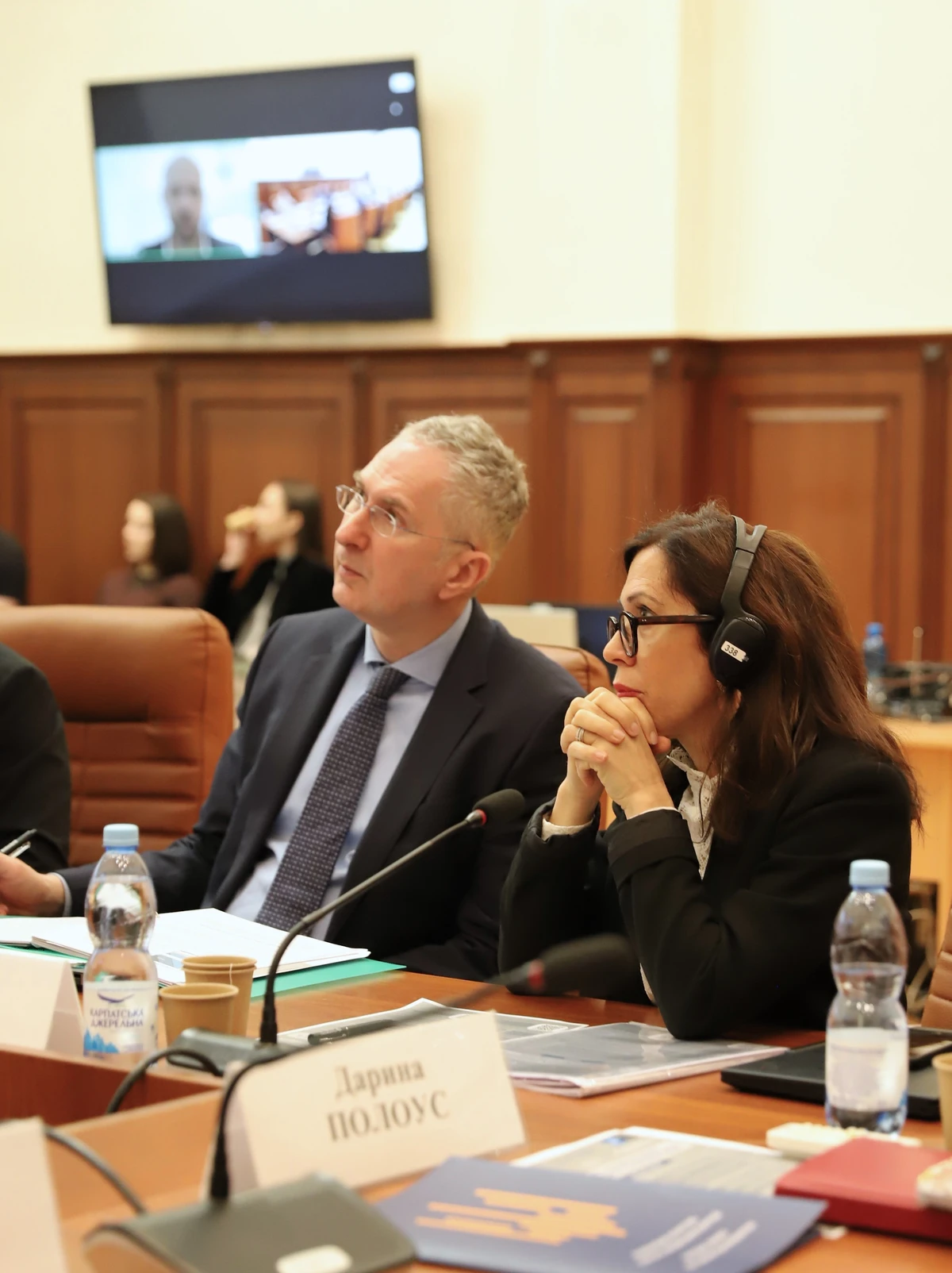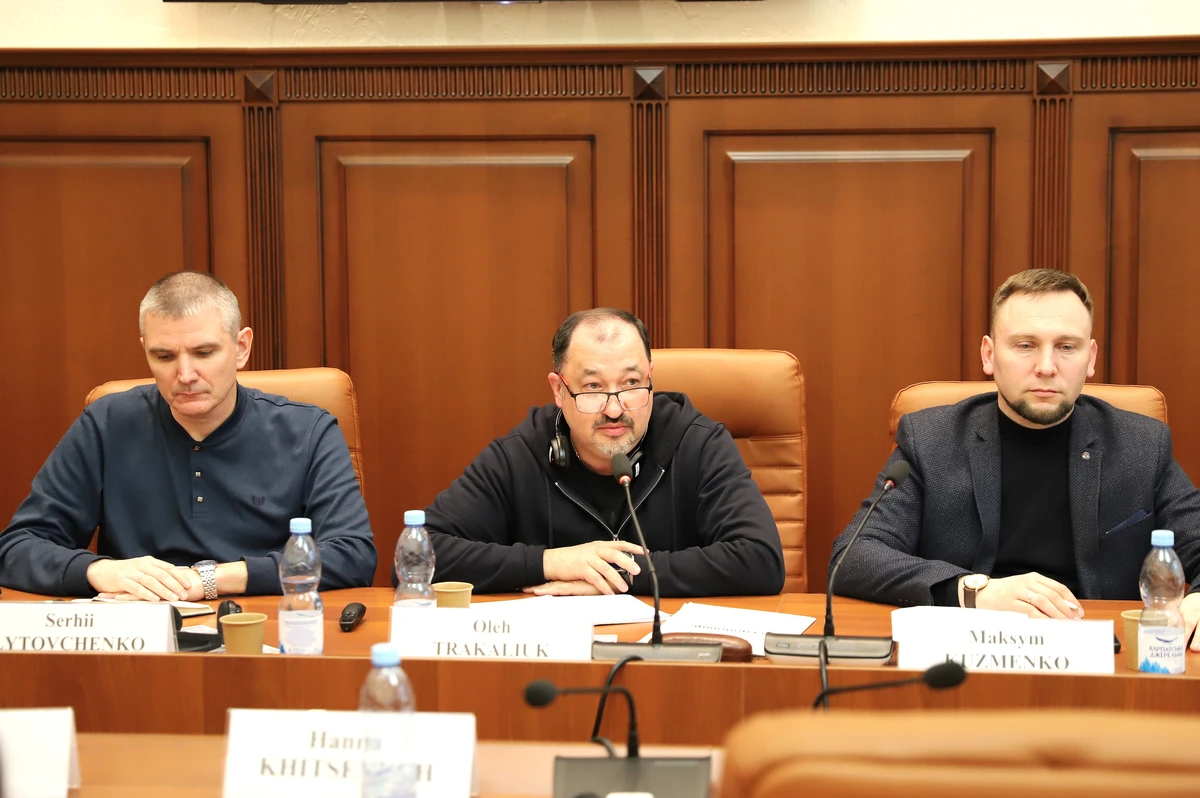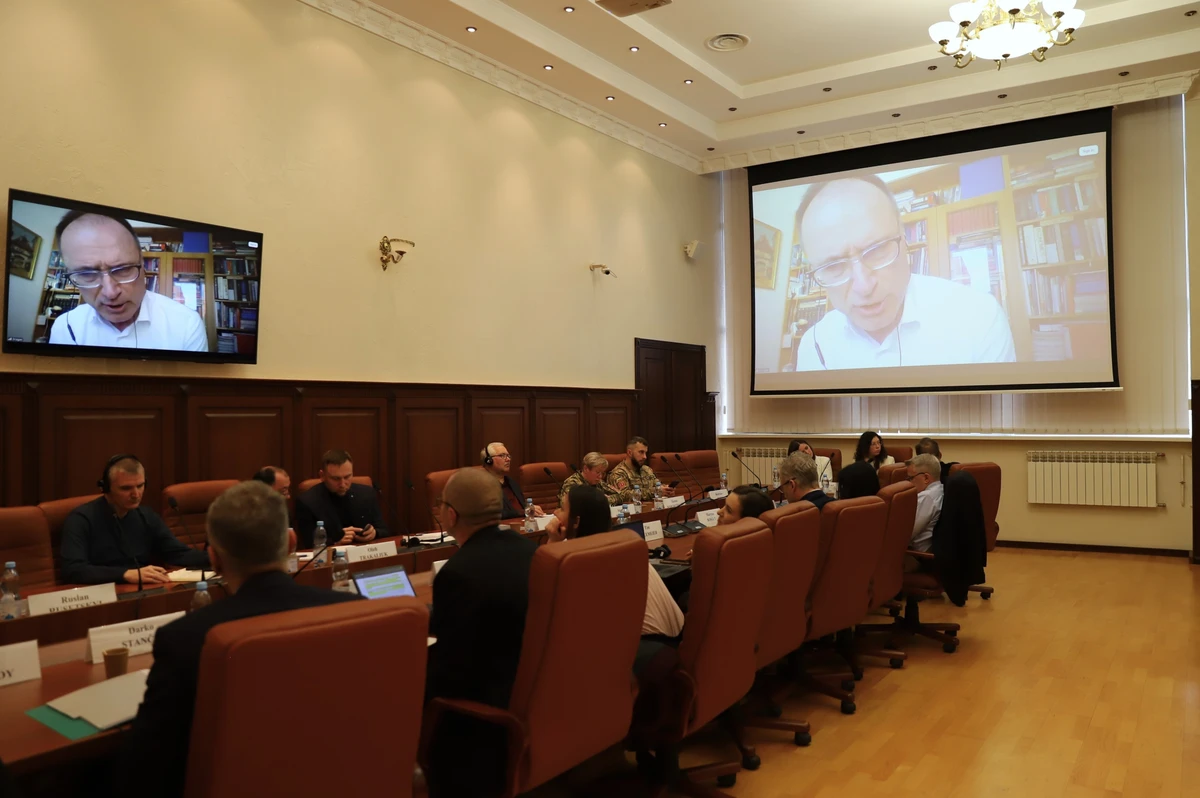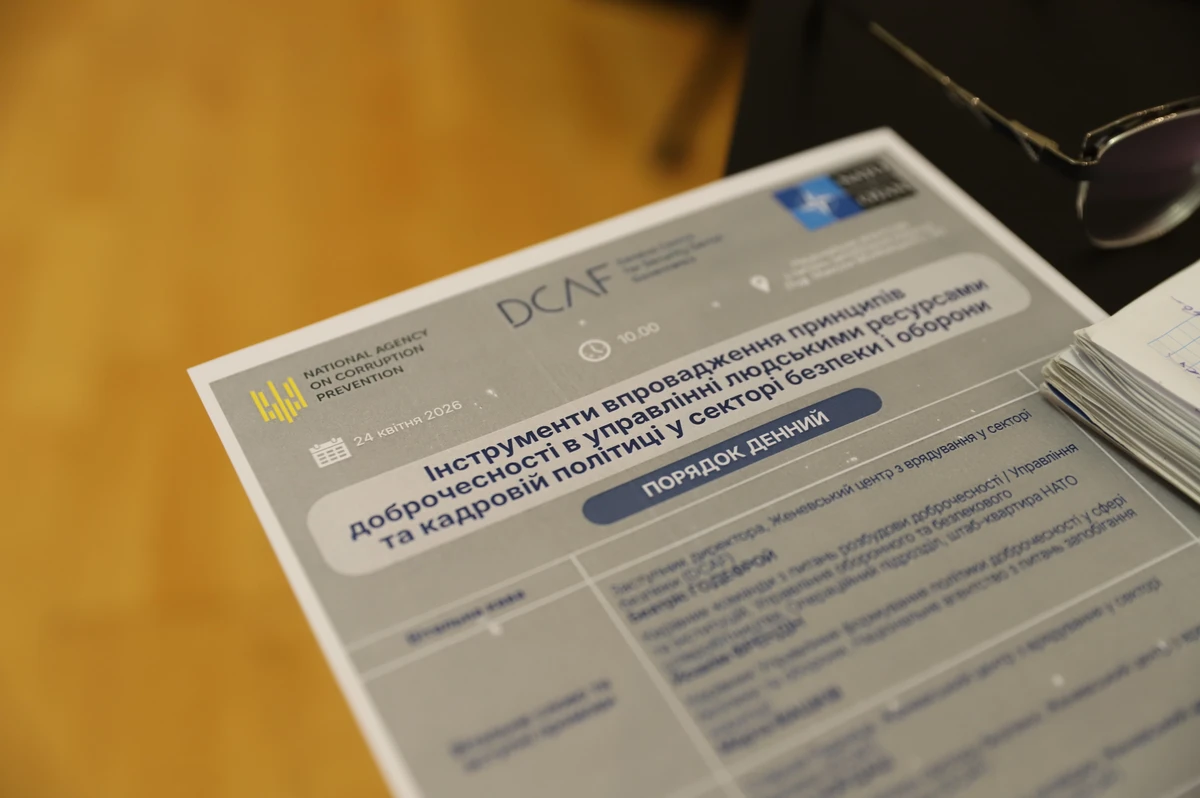

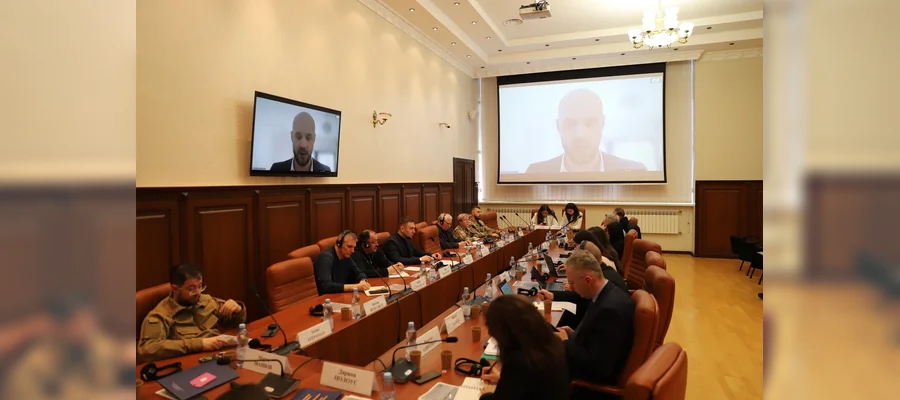
Specialists from the National Agency on Corruption Prevention (NACP), together with representatives of the Geneva Centre for Security Sector Governance (DCAF) and the Ministry of Defense of Ukraine, discussed issues regarding the development of integrity in human resource management and personnel policy.
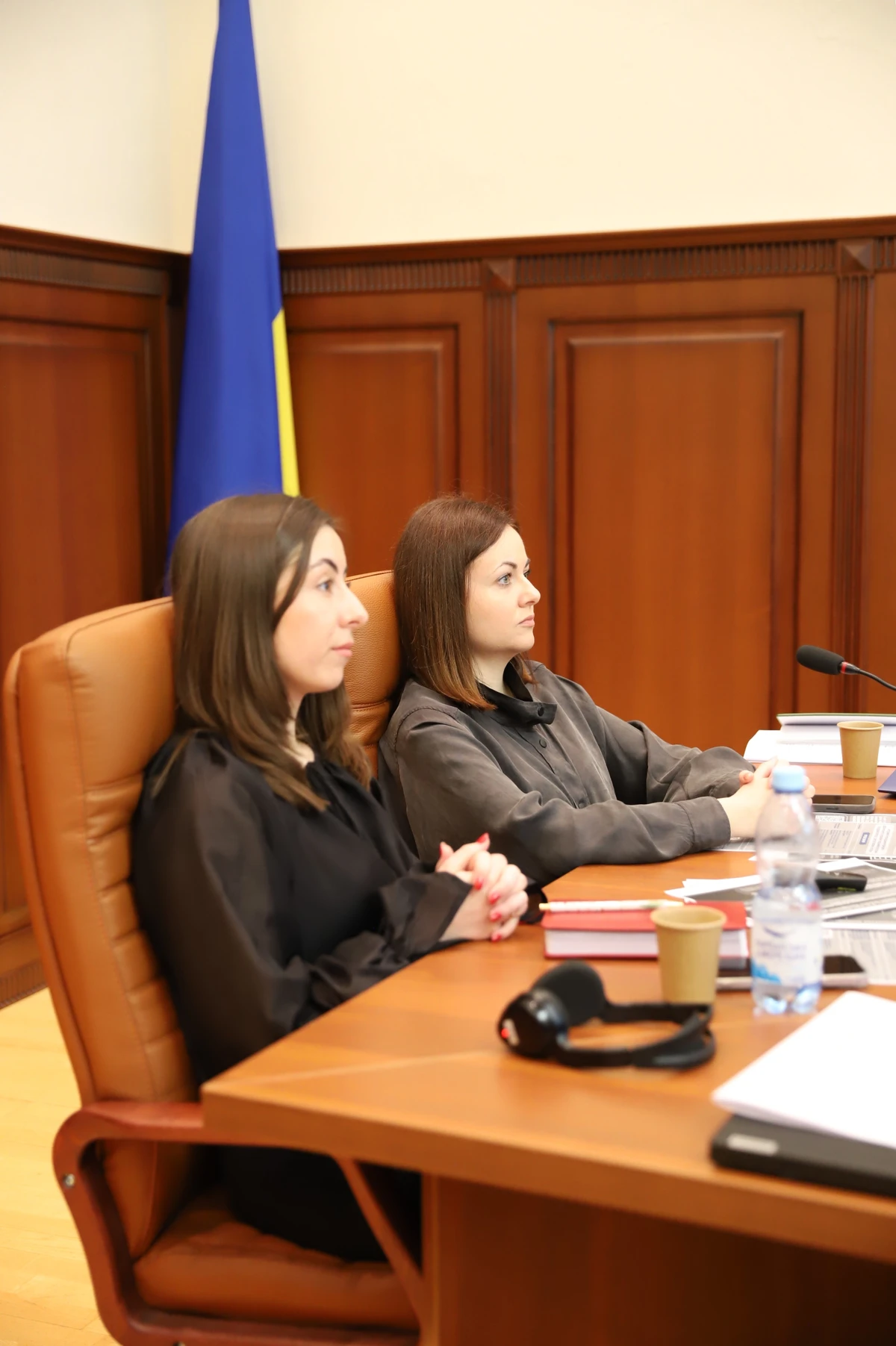
The event was also attended by experts from the NATO Representation to Ukraine, the Centre for Integrity in the Defence Sector (CIDS) at the Norwegian Ministry of Defence, and the Scientific Centre for Integrity Building and Corruption Prevention in the Security and Defense Sector of the National Defence University of Ukraine.
As Joakim Frendin, Head of the Building Integrity Team at NATO Headquarters, noted, human resource management is a key stage of activity and one of the decisive elements for the effective functioning of any security and defence sector institution. Issues of integrity and good governance are the cornerstone for both NATO and Ukrainian policy, particularly within the framework of fulfilling NATO tasks.
Marta Ivashkiv, Head of the Directorate of Integrity Policy Making in the Security and Defence Sector of the NACP, emphasised that the designation of the NACP as the National Coordinator for Ukraine's cooperation with NATO in the field of building integrity has facilitated the establishment of effective interaction with security and defence sector bodies and international partners. According to her, this is already yielding practical results, specifically in meeting NATO's Initial Interoperability Requirement 0204 “Building Integrity,” which involves the implementation of a transparent and impartial personnel policy at all stages of a career.
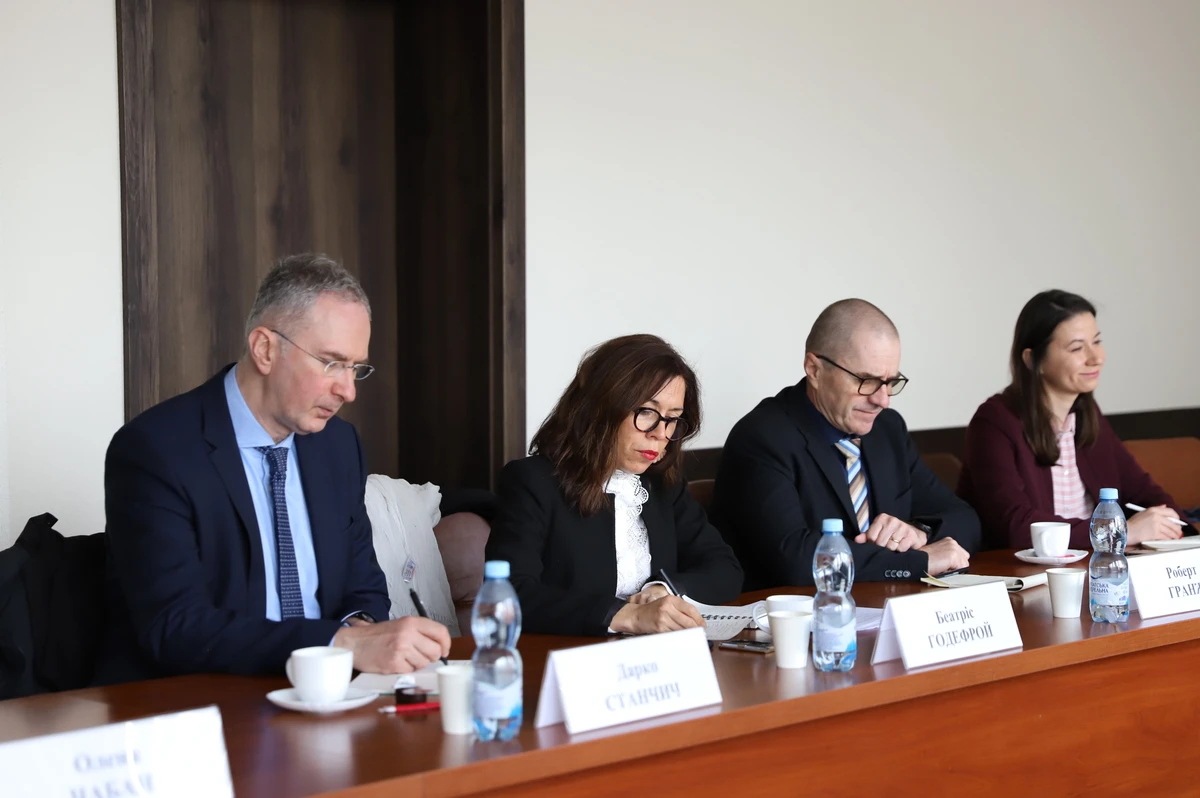
Béatrice Godefroy, Deputy Director of DCAF, underlined that an effective personnel management system must be based on the principles of integrity and transparency, while also considering wartime challenges: “Ensuring a common understanding of the implementation of international standards, as well as finding ways to effectively adapt them to the conditions of military challenges, is an extremely difficult task. Ukraine is demonstrating its commitment to building an upright security and defence sector. In this context, DCAF is today presenting a developed practical tool that will facilitate the effective implementation of NATO tasks in the field of human resource management and personnel policy in the security and defence sector,” she noted.
Continuing the topic, DCAF Senior Advisor Viola Csordás presented a report on best international practices in the field of human resource management. The document summarises expert approaches and institutional models that can serve as a benchmark for implementing transparent and accountable mechanisms in the security and defence sector. She also emphasised that under martial law, corruption risks increase, requiring faster management decisions while simultaneously maintaining their legal quality. The document is available on the official DCAF website.
In turn, a representative of the Ministry of Defense of Ukraine outlined the changes already implemented and planned in the field of personnel policy aimed at eliminating corruption risks.
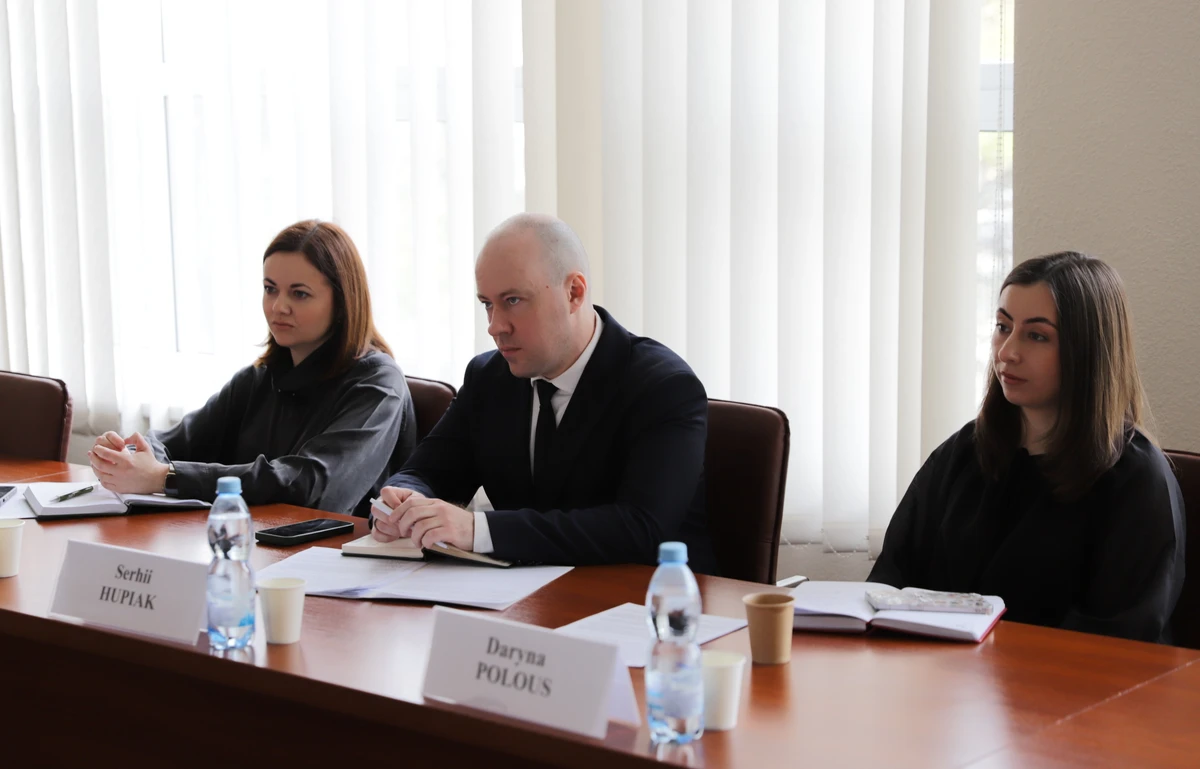
Notably, the event was preceded by a high-level meeting involving NACP Deputy Head Serhii Gupiak. He discussed cooperation on implementing practical anti-corruption tools in the defence sector with DCAF Deputy Director Béatrice Godefroy and other DCAF representatives.
“The interaction between the NACP and DCAF covers the provision of expert, advisory, and methodological support. A vital element is the exchange of leading international experience, particularly in the field of personnel policy and human resource management, as well as expert and coaching support for capacity building of authorised units for the prevention and detection of corruption within security and defence sector bodies,” emphasised Serhii Gupiak.
Background. By the Decree of the President of Ukraine, the NACP has been designated as the National Coordinator for Ukraine's cooperation with NATO in the field of building integrity. The NACP coordinates the implementation of NATO recommendations provided within two flagship projects of the Comprehensive Assistance Package for Ukraine: NATO’s Initial Interoperability Requirements for Ukraine and the Strategic Review of Ukraine's Defence Procurement System to bring Ukraine closer to the standards of Alliance member states. The results of the work in this area for 2025 can be found here.
Additionally, the Agency has launched a study of corruption risks regarding the protection of critical infrastructure objects in the defence and fuel-and-energy sectors, as well as the construction of military engineering and fortification structures.